
 Language
 English
 عربى
عربىIndustry News
Content
Introduction to Solar Cables
Solar cables are critical components in solar power systems, connecting various elements like solar panels, inverters, and batteries. These cables are specially designed to withstand the harsh outdoor environments and electrical demands of solar energy systems. In this article, we will explore the different types of solar cables, their applications, and how to choose the right one for your system.
Types of Solar Cables
There are several types of solar cables designed for different parts of a solar power installation. The most common types include:
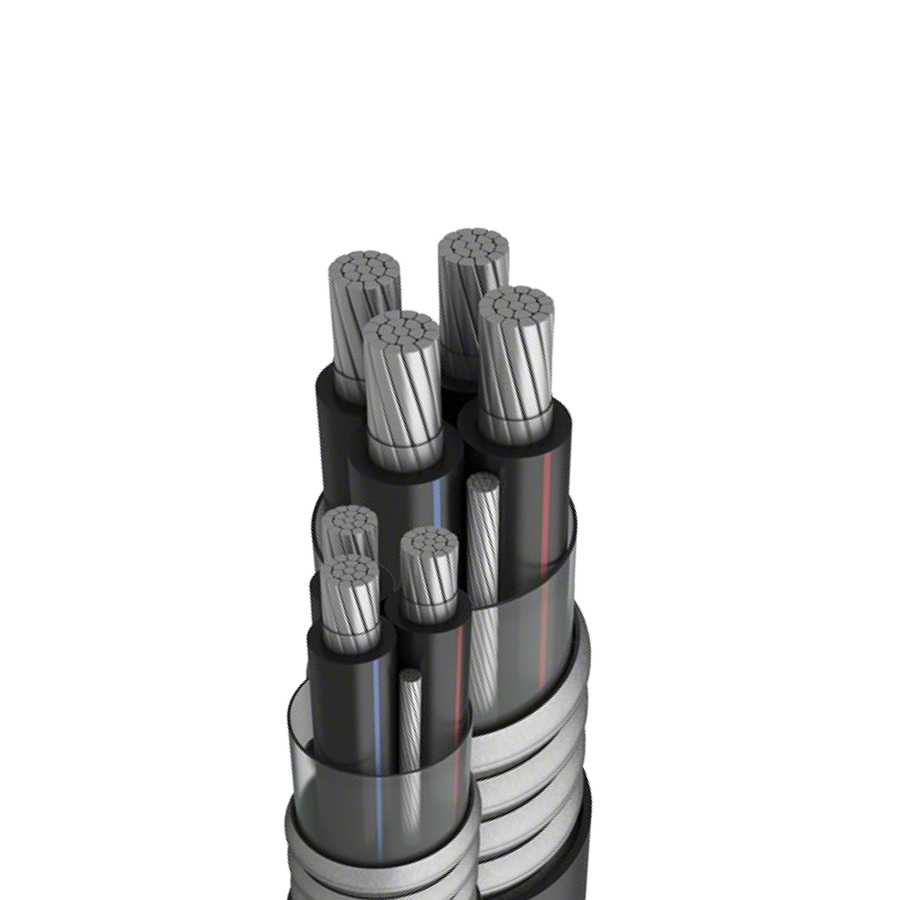
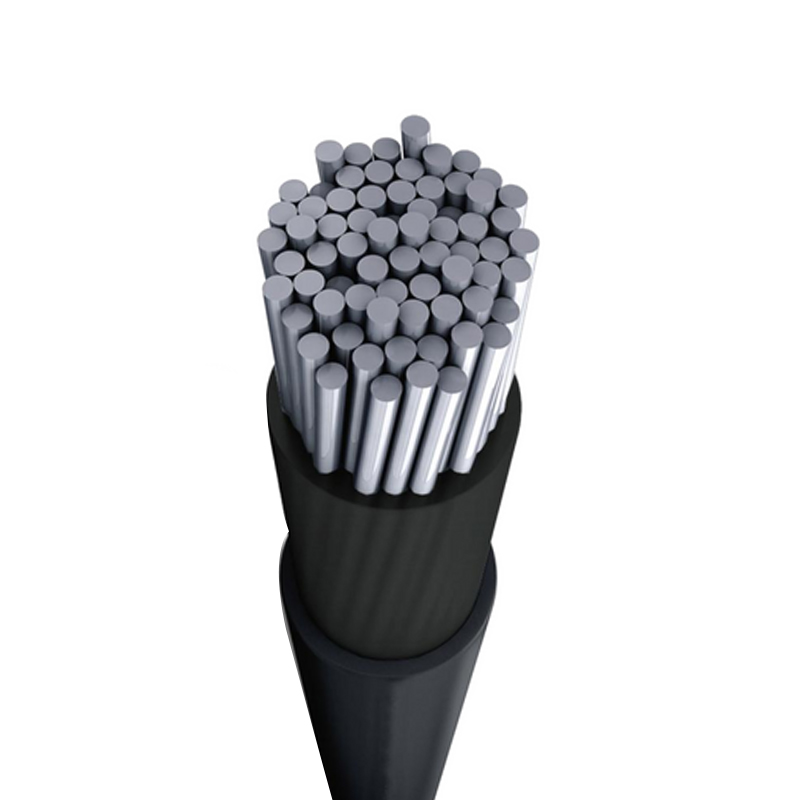
- PV1-F Cables: These are the most commonly used cables in solar panel connections. They are designed for outdoor and indoor installations and offer excellent UV resistance.
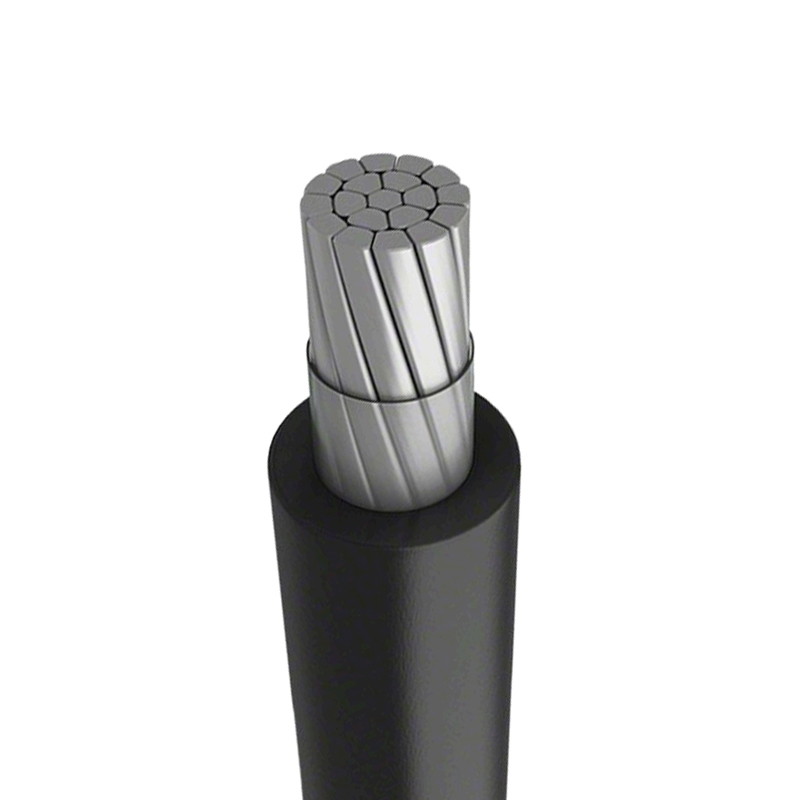
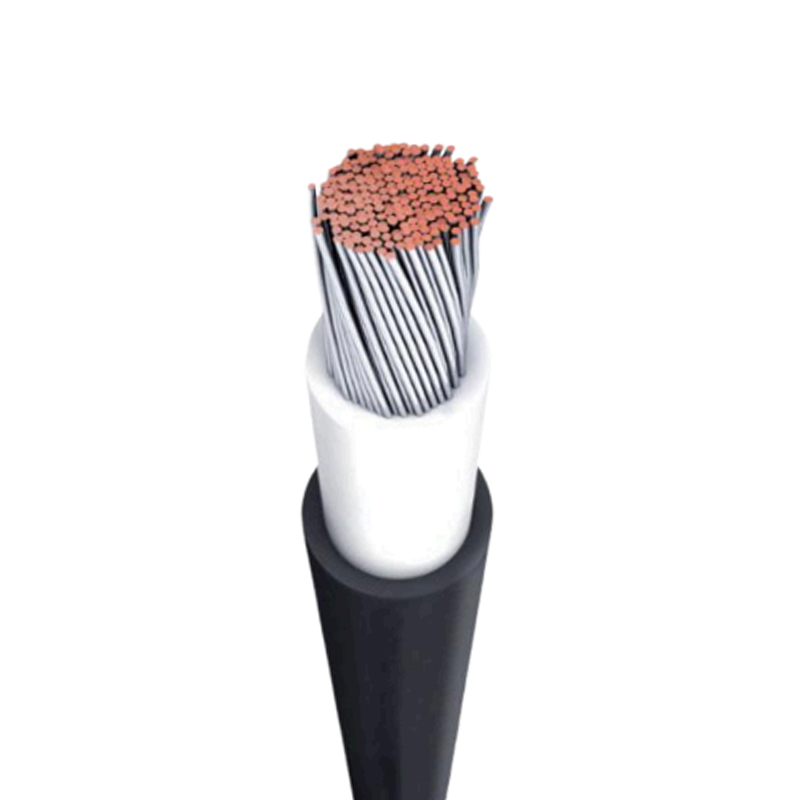
- Single Core Cables: These cables are used to connect solar panels to the inverter, ensuring safe and efficient electricity flow.
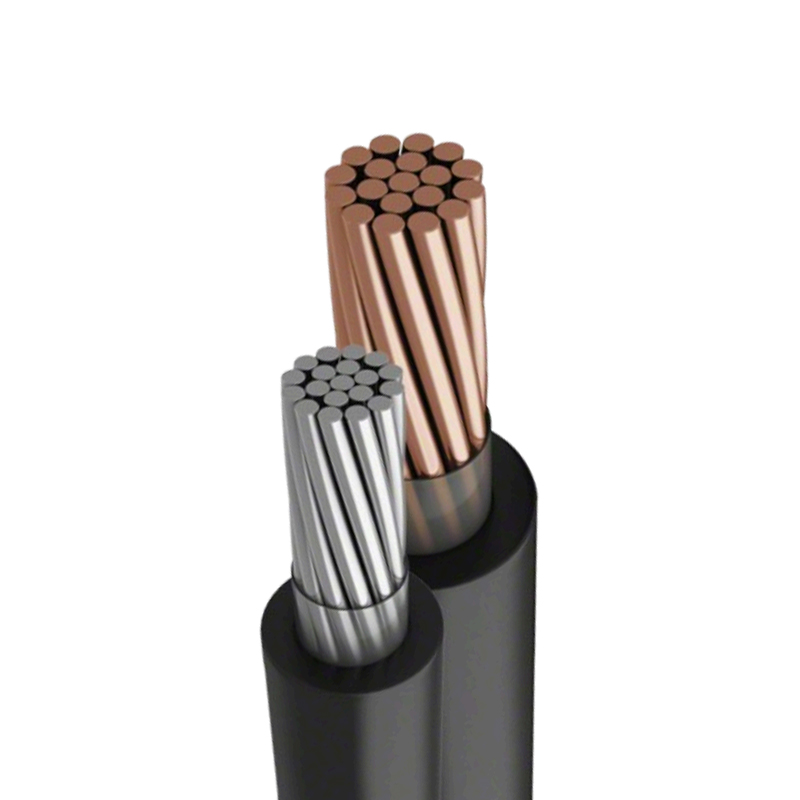
- Twin Core Cables: Used in certain installations, these cables offer a dual-conductor setup for additional flexibility in wiring configurations.
- AC Cables: AC cables are used to carry the current from the inverter to the electrical grid or battery storage system.
Key Features of Solar Cables
Solar cables have several unique features that make them suitable for outdoor and high-voltage applications. These features include:
- UV Resistance: Solar cables are designed to withstand direct exposure to sunlight without deteriorating over time.
- High Temperature Tolerance: Solar cables can operate in extreme temperatures, ranging from -40°C to 90°C.
- Waterproofing: These cables are built with robust insulation, making them resistant to water and other environmental factors.
- Fire Resistance: Solar cables are designed with materials that prevent them from catching fire, ensuring the safety of the entire solar system.
Choosing the Right Solar Cable for Your System
When choosing solar cables for your installation, consider the following factors to ensure optimal performance:
- Cable Size: Ensure the cable is capable of handling the current load produced by the solar panels. Under-sized cables can overheat and cause inefficiencies or even system failure.
- Voltage Rating: Check the voltage rating of the cable to ensure it can handle the voltage output of your solar system.
- Installation Environment: Consider whether the cables will be exposed to direct sunlight, moisture, or extreme temperatures.
- Compliance with Standards: Choose cables that meet international standards for safety, such as UL, IEC, and NEC certifications.
Maintenance and Safety of Solar Cables
Proper maintenance and safety are vital to ensuring that your solar cables continue to function efficiently over time. Here are some key points to consider:
- Regular Inspections: Periodically check the cables for signs of wear, damage, or degradation, especially after storms or extreme weather events.
- Protective Covers: Use cable ties and covers to prevent physical damage to cables from sharp edges or environmental factors.
- Avoid Overloading: Ensure that the cables are not overloaded with current. Overloading can lead to overheating and potential failure of the cable.
Conclusion
Solar cables are integral to any solar power system, and selecting the right type ensures the safety and efficiency of the system. By understanding the different types, key features, and factors to consider when choosing cables, you can enhance the performance and longevity of your solar energy system. Always remember to maintain your cables and ensure that they are properly installed to minimize any risk to your solar system.