

 Language
 English
 عربى
عربىSolar Cables Manufacturers
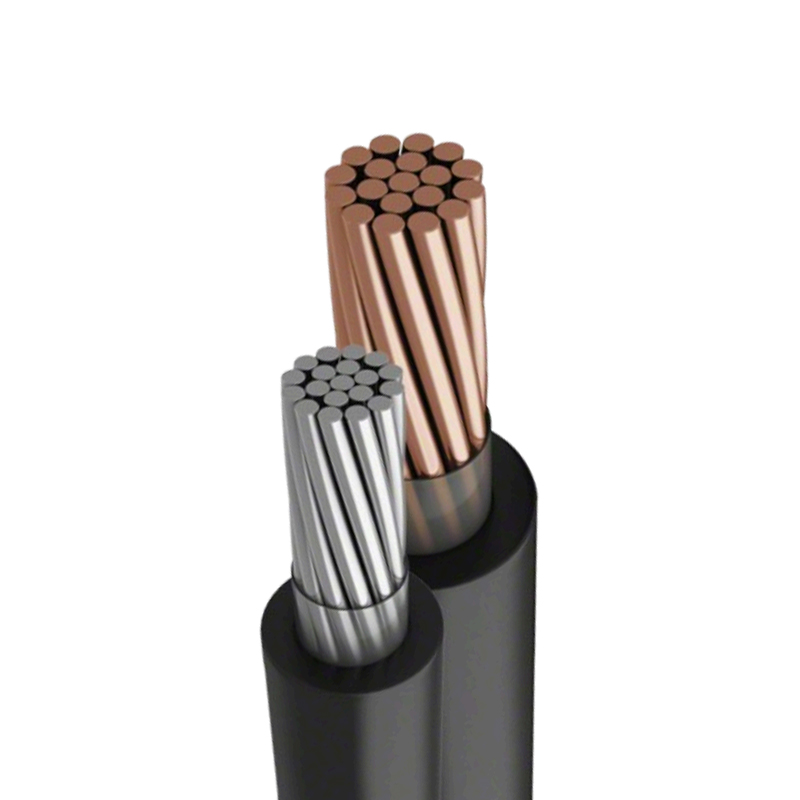
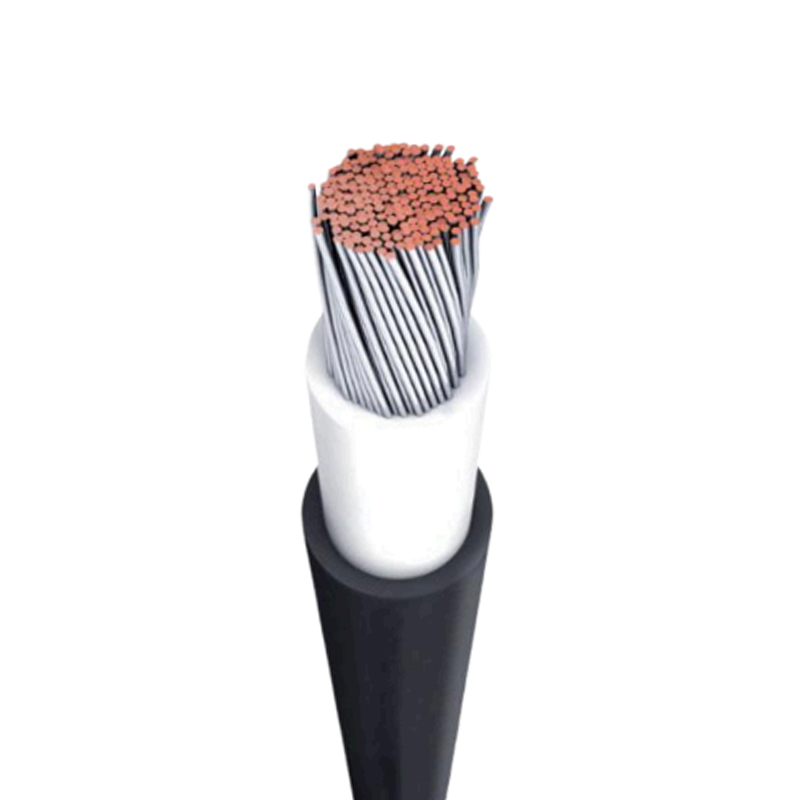
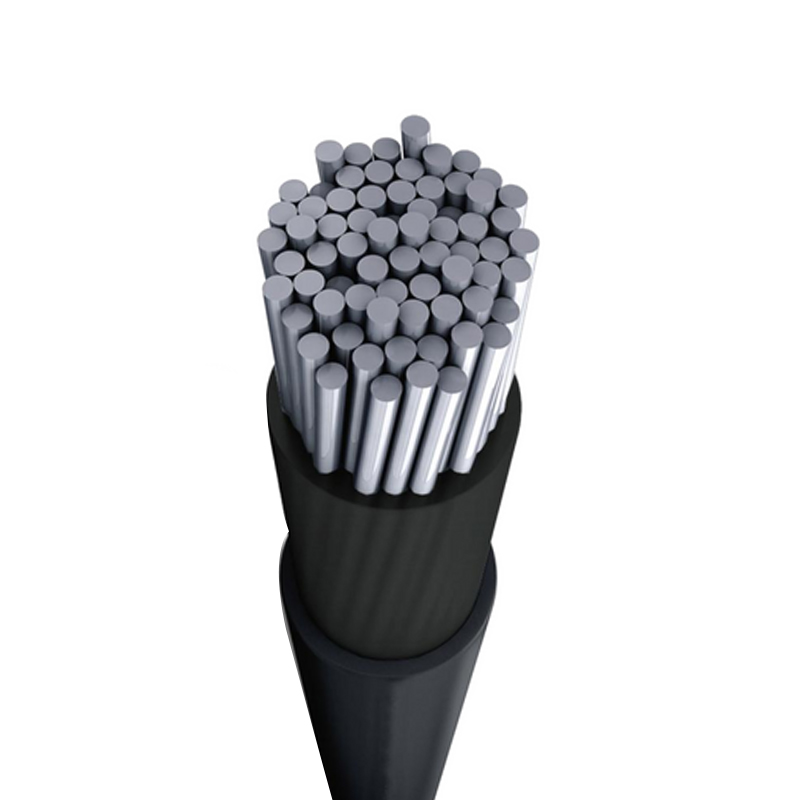
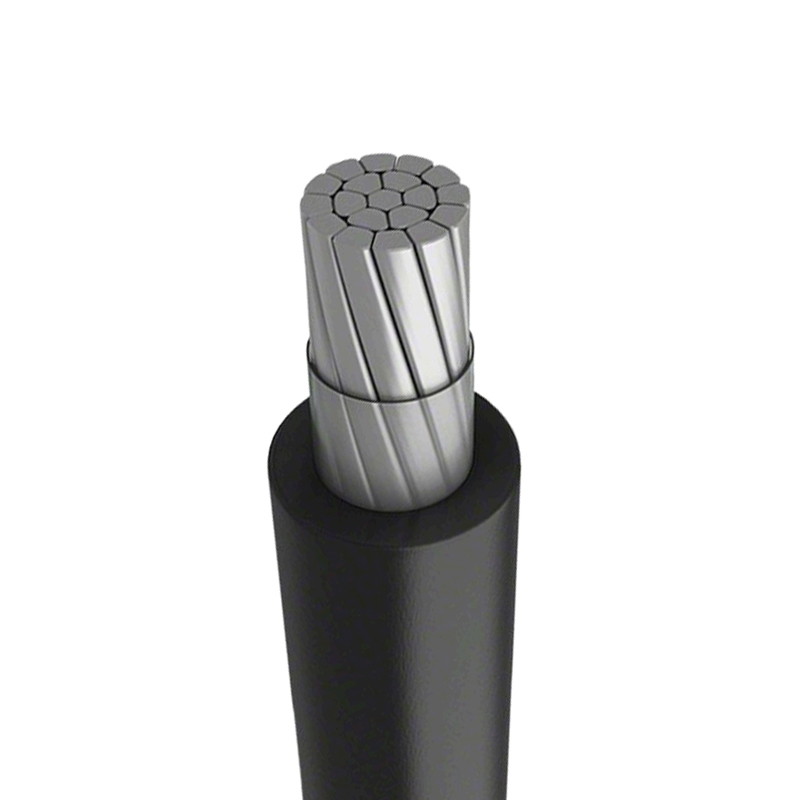
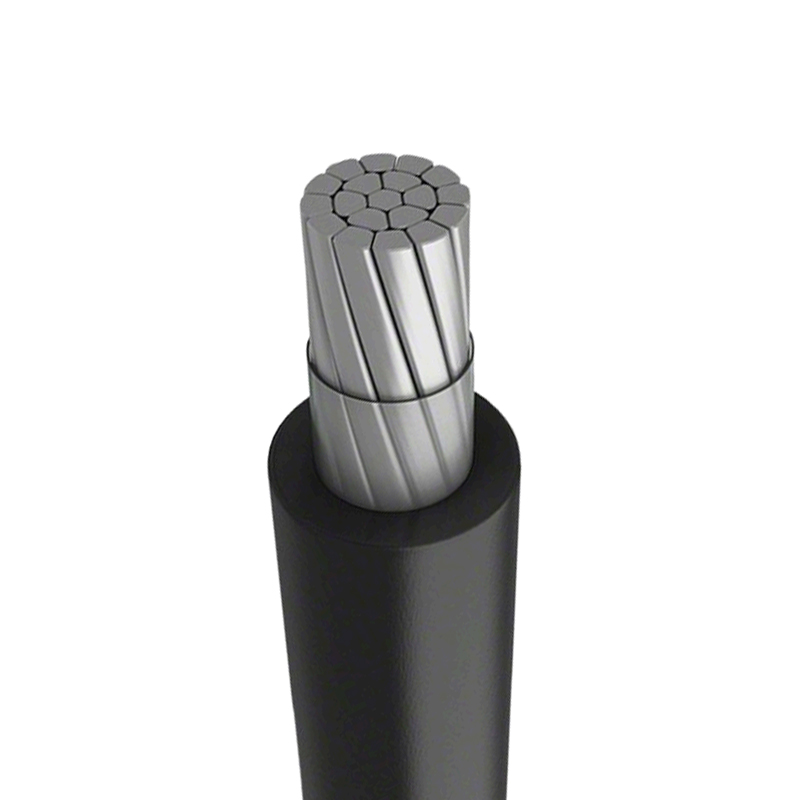
Solar cables are critical conductors specifically designed for photovoltaic (PV) power generation systems. Unlike ordinary cables, they must be able to withstand extremely harsh outdoor conditions, such as intense UV radiation, high and low temperatures, rain, snow, and ozone erosion. Additionally, the sheathing material of solar cables has excellent mechanical strength and abrasion resistance, allowing it to withstand the squeezing, bending, and tensile stresses that may be encountered during installation and maintenance.
Selecting the appropriate cable size requires a comprehensive consideration of current, voltage level, and cable length to ensure that voltage drop is within an acceptable range. Internationally, the production and application of solar cables are subject to strict certification and standard regulation by authoritative bodies such as TÜV, UL, and IEC. Certifications like TÜV PV1-F and UL 4703 are important benchmarks for measuring cable quality and reliability, ensuring that solar cables can serve global PV power plants efficiently, safely, and reliably.
About Us
Factory Tour
Contact us now
Latest Enterprise and Industry News
-

 2026-10-13
 Industry News
 -
2026-10-09Industry News
-
2026-09-28Industry News
-
2026-09-21Industry News

industry knowledge
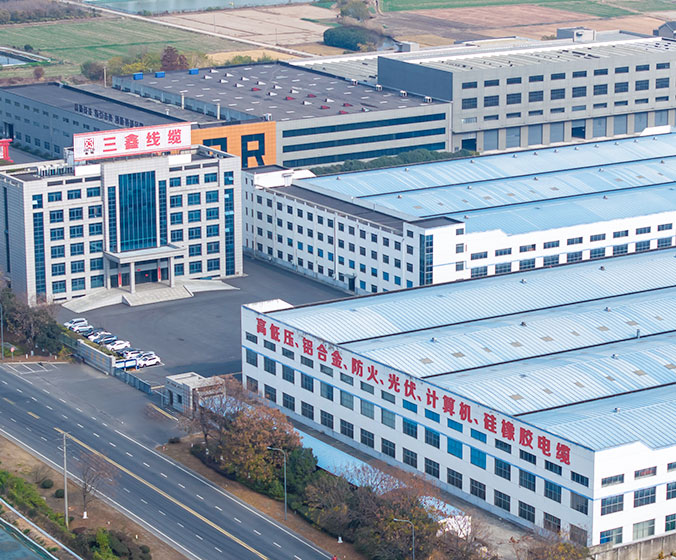
Wuxi Sanxin Cable Co., Ltd. is a China-based Solar Cables manufacturer producing TÜV, IEC and UL certified photovoltaic DC cables for ground-mounted plants, commercial rooftops and residential arrays. Our range covers H1Z2Z2-K 1.5 kV DC, IEC 62930 dual-certified, UL 4703 PV Wire 1000/2000 V, aluminium solar cable and twin-core constructions, all built around tinned copper conductors, electron-beam cross-linked insulation and halogen-free flame-retardant sheathing.
Our Solar Cable Range and Where Each Type Fits
We manufacture five core solar cable families from our own factory in Yixing, Jiangsu, covering the DC string, array homerun and inverter-side connections of a PV system. Each family is positioned against a specific certification regime, voltage class and installation environment, so the correct product is selected from the project standard rather than from a generic catalogue.
| Product Family | Certification / Standard | Voltage Class | Typical Application |
|---|---|---|---|
| TüV EN50618 H1Z2Z2-K DC 1.5KV Solar Cable | TÜV EN50618 H1Z2Z2-K | 1.5 kV DC / 1.0 kV AC | European-standard string and array wiring |
| TüV H1Z2Z2-K & IEC 62930 DC 1.5KV Solar Cable | TÜV EN50618 + IEC 62930 | 1.5 kV DC | Projects requiring dual certification |
| UL 4703 PV WIRE 1000/2000V Solar Cable | UL 4703 | 1000 / 2000 V | North American PV systems and 2000 V architectures |
| ALUMINIUM SOLAR CABLE | Project specification | 1.5 kV DC class | Cost-optimised large-array DC runs |
| TüV TWIN CORES SOLAR CABLE | TÜV | 1.5 kV DC class | Twin-core DC runs and pre-assembled harnesses |
Conductor, Insulation and Sheath Construction
Our solar cables use tinned electrolytic copper to IEC 60228 Class 5, which maintains low-loss transmission over long service periods and resists oxidation at the conductor surface. Insulation and sheath are electron-beam cross-linked compounds applied as a double-layer construction, giving the cable the UV, ozone, temperature and moisture resistance that outdoor DC wiring demands.
- Conductor: Tinned annealed copper, flexible Class 5 stranding for tight bend radii and field termination.
- Insulation: Electron-beam cross-linked polyolefin, dual-layer design for electrical isolation and thermal stability.
- Sheath: Halogen-free, flame-retardant cross-linked compound with UV and weather resistance.
- Temperature range: Fixed installation from -40 °C to +90 °C, maximum conductor temperature +120 °C.
- Fire performance: EN 60332-1-2 flame propagation resistance.
- Service life: Construction and materials selected for a projected 25-year PV system lifespan.
Critical Specifications and Configuration Options
We build solar cables across the cross-section range from 1.5 mm² to 35 mm², with AWG equivalents from 14 AWG to 6 AWG on the UL 4703 family. The table below summarises the conductor, insulation and jacket dimensions that drive voltage drop, current-carrying capacity and installation clearance.
| Cross-Section | Conductor Construction | Insulation Thickness | Jacket Thickness | Max. Conductor Resistance |
|---|---|---|---|---|
| 1.5 mm² | 30 / 0.25 mm | 0.9 mm | 1.1 mm | 13.7 mΩ/m |
| 2.5 mm² | 49 / 0.25 mm | 0.85 mm | 0.9 mm | 8.21 mΩ/m |
| 4.0 mm² | 56 / 0.285 mm | 0.95 mm | 0.8 mm | 5.09 mΩ/m |
| 6.0 mm² | 84 / 0.285 mm | 1.02 mm | 0.9 mm | 3.39 mΩ/m |
| 10.0 mm² | 80 / 0.4 mm | 0.7 mm | 0.8 mm | 1.95 mΩ/m |
| 16.0 mm² | 128 / 0.4 mm | 1.1 mm | 1.0 mm | 1.24 mΩ/m |
| 25.0 mm² | 196 / 0.4 mm | 1.1 mm | 1.0 mm | 0.795 mΩ/m |
| 35.0 mm² | 276 / 0.4 mm | 1.1 mm | 1.0 mm | 0.57 mΩ/m |
Configuration choices include black or red sheath colour for polarity identification, single-core or twin-core construction, and voltage ratings from 1.0 kV to 2.0 kV DC depending on the certification family. Minimum bending radius is 4× overall diameter for fixed installation and 5× for flexed routing, which governs cable tray layout and connector clearance on tracker and rooftop systems.
Application Fit Across PV Project Types
Solar cables operate in the harshest part of a PV system: exposed to direct UV, thermal cycling, rain, snow and ozone, and often routed across sharp edges and moving structures. Our constructions are selected to match the installation environment rather than a single generic specification.
- Ground-mounted plants: Long DC homeruns benefit from 10 mm² to 35 mm² conductors to keep voltage drop within the 1–3% design threshold.
- Commercial and industrial rooftops: Flexible Class 5 conductors and tight bend radii suit confined tray routes and short string runs.
- Residential rooftops: 4 mm² and 6 mm² H1Z2Z2-K cables match common string currents and inverter connector sizes.
- Tracker and floating systems: Twin-core and flexible constructions tolerate repeated movement and flexing.
- 2000 V architectures: UL 4703 PV Wire supports next-generation higher-voltage DC designs.
Quality Control and Acceptance Testing
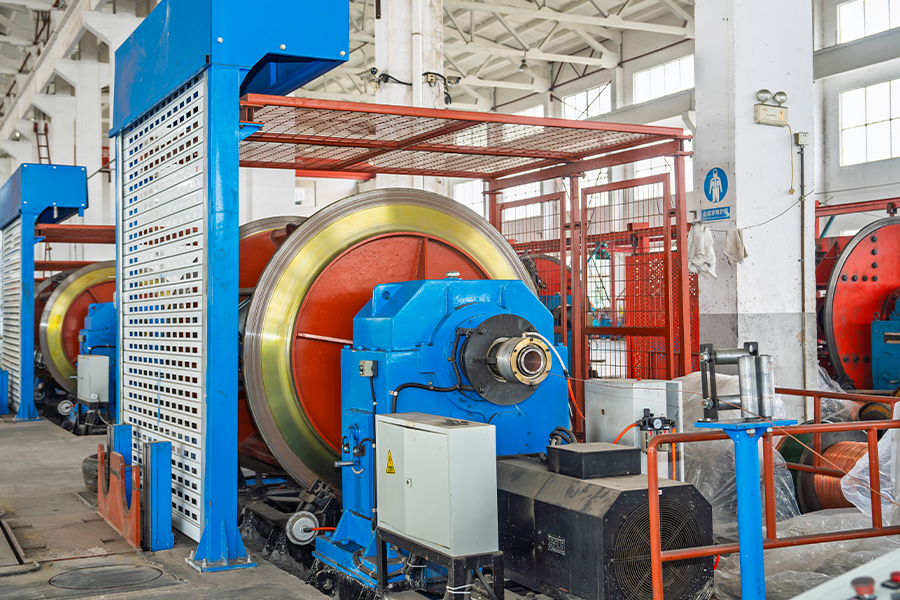
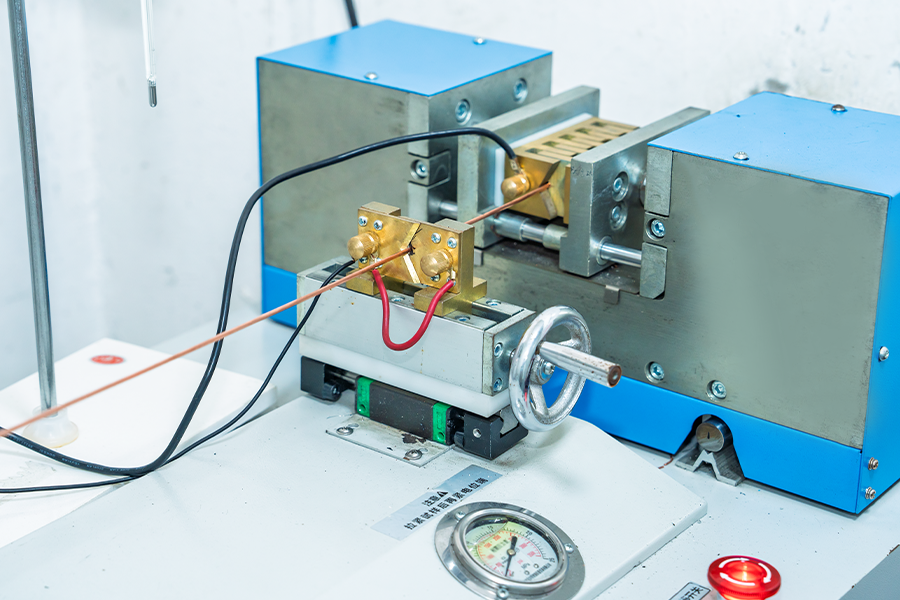
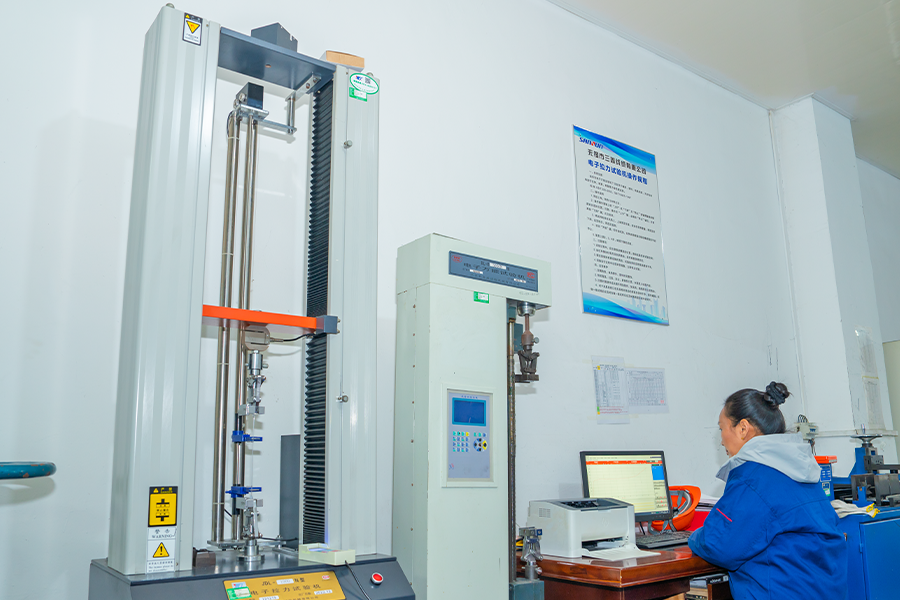
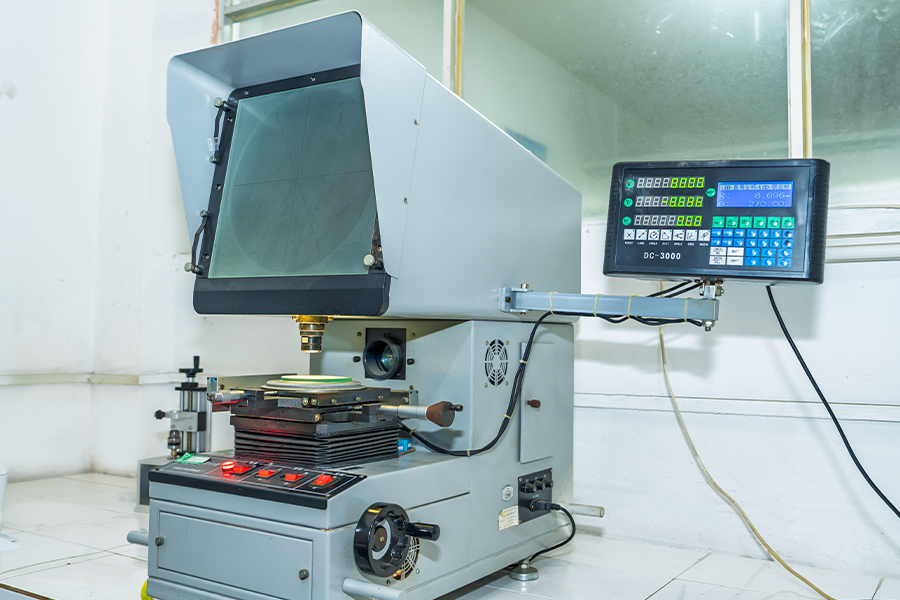
Our production process runs from raw material preparation through wire drawing, stranding, insulation extrusion, cabling, sheath extrusion and armouring where required, with inspection after each process step. Final products are tested against customer requirements and international standards, including conductor resistance, insulation integrity and sheath performance checks.
- Conductor resistance test to verify current-carrying performance.
- Insulation testing for integrity and electrical performance.
- Sheath testing for physical and electrical properties.
- Voltage test at 6.5 kV AC for H1Z2Z2-K and 6.0 kV AC for UL 4703 constructions.
- Flame propagation testing to EN 60332-1-2.
We operate our own factory and manage the supply chain in-house, which keeps quality control at every production step and supports reliable delivery scheduling. Our cable products carry TÜV, IEC and UL certification appropriate to each family, and we can supply the certification documentation that applies to the ordered construction.
Installation, Maintenance and Serviceability
Solar cables are designed for direct outdoor exposure and long service intervals, but correct installation protects the 25-year design life. We recommend observing the fixed and flexed bend radii, using compatible connectors rated for the same voltage class, and supporting cables to avoid point loading on the sheath.
- Maintain 4× overall diameter minimum bend radius in fixed routes.
- Allow 5× overall diameter where cables flex during tracker movement.
- Use UV-rated cable ties and avoid over-tightening at tray transitions.
- Inspect sheath condition at entry points and connector interfaces during scheduled maintenance.
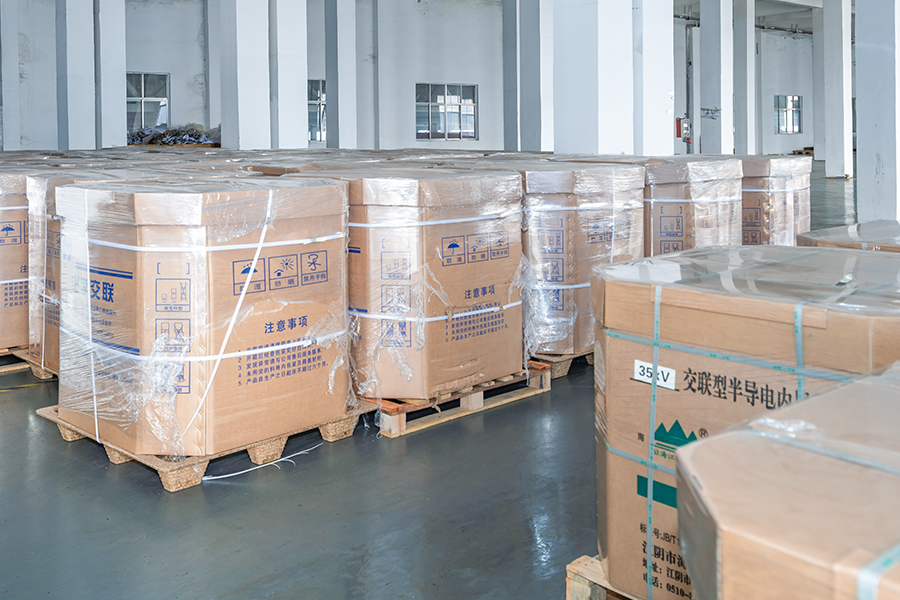
- Spare cable lengths and matching connectors can be included in the delivery scope on request.
Information We Use to Configure Your Solution
To prepare a solar cable configuration and quotation, we work from the project's electrical and installation data. The more precisely the working point is defined, the more directly we can match conductor size, certification family and delivery scope.
| Project Input | Why We Need It |
|---|---|
| System voltage and certification requirement | Selects H1Z2Z2-K, IEC 62930 or UL 4703 family |
| Maximum string current and one-way run length | Determines conductor cross-section and voltage drop |
| Installation environment and routing | Confirms sheath material, bend radius and mechanical protection |
| Conductor material preference | Copper or aluminium construction selection |
| Core count and colour coding | Single-core or twin-core, black/red polarity marking |
| Quantity, drum length and delivery schedule | Packaging, shipping scope and production planning |
| Required documentation and test reports | Certification evidence and acceptance package |
We also manufacture Power Cables and Aluminum Alloy Cables for the AC side of PV plants and for broader electrical infrastructure, so a single project can be supplied across DC and AC cable scopes. Customised solar cable constructions can be developed from drawings or samples where a project requires non-standard dimensions or sheath compounds.
Frequently Asked Questions
What is the difference between H1Z2Z2-K and UL 4703 solar cable?
H1Z2Z2-K is a European TÜV EN50618 designation rated 1.5 kV DC and 1.0 kV AC, used in IEC-based PV systems. UL 4703 PV Wire is the North American designation rated 1000/2000 V, used in UL-compliant installations. We manufacture both families and can supply dual-certified constructions where a project spans both standards.
Which cross-section should I select for a long DC string run?
Conductor size is driven by voltage drop rather than ampacity alone. For long homeruns, we typically work from the maximum string current, the one-way cable length and a target voltage drop of 1–3% of system voltage. Our 10 mm² to 35 mm² constructions are commonly used for these runs, and we can calculate the recommended size from your project data.
Can you supply customised solar cable lengths and colours?
Yes. We develop and manufacture products based on drawings or samples provided by customers. Black and red sheath colours are standard for polarity identification, and drum lengths, core counts and sheath compounds can be configured to the project requirement.
What certifications do your solar cables carry?
Our solar cable range includes TÜV EN50618 H1Z2Z2-K, IEC 62930 and UL 4703 certified constructions. The applicable certification depends on the specific product family ordered, and we supply the corresponding documentation with the delivery.
How do you ensure quality across a large solar cable order?
We inspect after each production process and test final products against customer requirements and international standards, including conductor resistance, insulation and sheath testing. Because we operate our own factory and control the supply chain in-house, quality checks are applied consistently across the full order quantity.
What is the expected service life of your solar cables?
Our solar cable constructions use electron-beam cross-linked insulation and halogen-free flame-retardant sheathing selected for a projected 25-year lifespan, matching the design life of a photovoltaic system. Actual service life depends on installation practice, UV exposure and mechanical protection along the route.

-
[email protected]

-
+86-0510-87207396

-
West Suburb of Guanlin Town, Yixing City, Jiangsu Province, China

Your Cable Products?
Copyright © 2025 Wuxi Sanxin Cable Co., Ltd.
All Rights Reserved.
TUV Approved Solar Cables Manufacturers
