
 Language
 English
 عربى
عربى
Home / News / Industry News / Wire Insulation Temperature Rating: Limits, Derating and Selection Guide
Industry News
A food-processing plant in Jiangsu rebuilt a 400 A feeder last spring with 90 °C XLPE cable, then failed its commissioning inspection. The moulded-case breaker lugs were marked 75 °C, and the inspector would accept only the 75 °C ampacity column. The cable was never the problem. The number printed on the drum was simply not the number that decided the circuit.
The conclusion first: a wire insulation temperature rating is the highest continuous conductor temperature the insulation compound can survive, such as 70 °C for PVC, 90 °C for XLPE and EPR, 180 °C for silicone, and 200 to 260 °C for PTFE. It is not the temperature your cable will run at.
Ampacity is set by the lowest of three values: the insulation rating, the termination rating of the device the cable lands on, and the corrected ambient and installation condition.
That one rule explains most field disputes about cable sizing. A 90 °C cable in a 75 °C lug carries 75 °C current. A 90 °C cable in a 50 °C plant room carries less still. Paying for higher-rated insulation only pays when the other two numbers are allowed to move with it.
Content
Ampacity tables look like they are about insulation. In practice three variables interact, and the weakest one governs the whole circuit.
The compound's continuous ceiling. Above it the polymer oxidises, hardens and loses dielectric strength, slowly at first and then quickly.
Breakers, lugs and terminal boxes carry a 60, 75 or 90 °C marking. Above roughly 100 A, industrial gear is normally 75 °C, so the 90 °C column is off limits unless the terminal is listed for it.
Base tables assume about 30 °C air or 20 °C soil. Higher ambient, circuit grouping, conduit fill and soil thermal resistivity all subtract from that base value.
Short-circuit behaviour is a separate limit from the continuous one. PVC insulation is typically allowed to reach 160 °C and XLPE 250 °C for up to five seconds, so the protective device must clear the fault before the conductor is annealed or the polymer is carbonised.
For distribution work at 3.6/6 kV, XLPE-insulated cable is the usual default because its 90 °C continuous ceiling matches switchgear and transformer practice, which is why the voltage class and the insulation type are normally specified together.
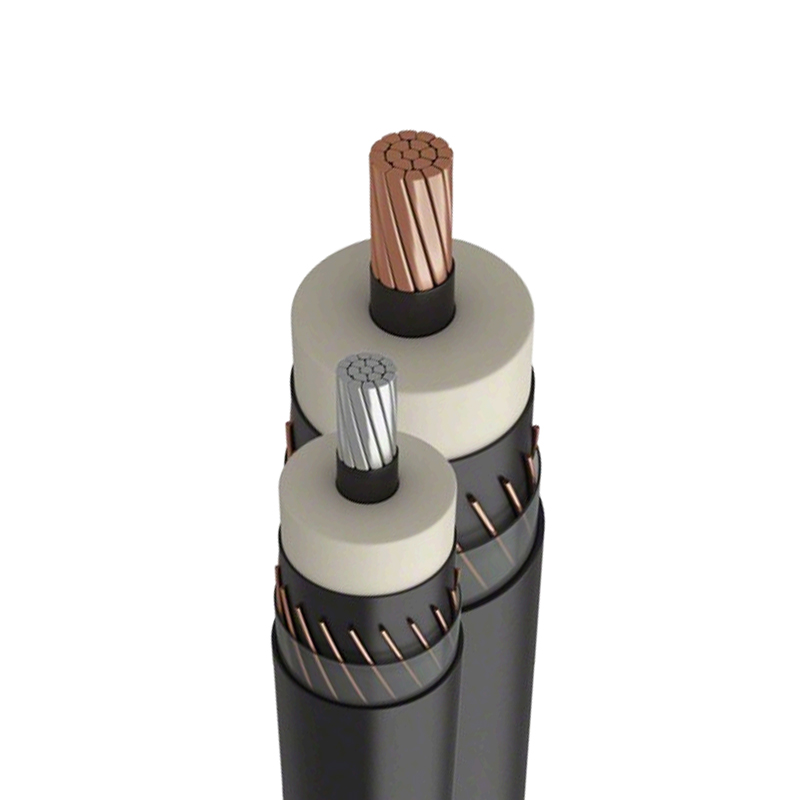 XLPE Insulated Power Cable for 3.6/6 kV to 26/35 kVFor distribution projects specifying XLPE insulation and a 90 °C conductor rating, this range covers single- and three-core 3.6/6 kV to 26/35 kV constructions.View Product →
This is the practical shortlist when a project specifies a cable against a temperature rating. Continuous values refer to conductor temperature, not the air around the cable.
The gap between materials is large, but the gap between a rating and a reality is often larger. A cable specified at 90 °C in a plant running at 45 °C has already spent part of its thermal budget before a single ampere of load is applied.
Manufacturers print the continuous rating. They rarely print what the installed circuit will actually do. The chart below shows how standard correction factors take away from base ampacity for a 90 °C XLPE cable in air.
Two effects dominate in industrial work. High ambient temperature comes first: a cable qualified for a 30 °C plant will not see 30 °C inside a boiler house or on a roof-level tray in August. Grouping comes second: three loaded circuits sharing one tray heat each other, and most standards require a factor between 0.80 and 0.85 to account for it.
Combine 50 °C ambient with a grouped tray and a 90 °C XLPE run is left with roughly 70 percent of its base ampacity, which is close to what a plain 70 °C PVC cable delivers in free air at 30 °C. The upgrade pays only when the terminations and the routing allow heat to leave the conductor.
Demand for higher-temperature insulation is not evenly spread across cable specifications. The split below reflects the broad pattern seen in project enquiries.
Solar is the slice where the temperature rating is written into the standard rather than chosen by the designer. A DC cable to EN 50618 is rated around 90 °C continuous conductor temperature, tolerates limited excursions to 120 °C, and must survive 250 °C for five seconds under short circuit, with a sheath rated for wet and UV exposure. If you are comparing constructions for an array, our overview of solar cable types and uses covers the standard-by-standard differences.
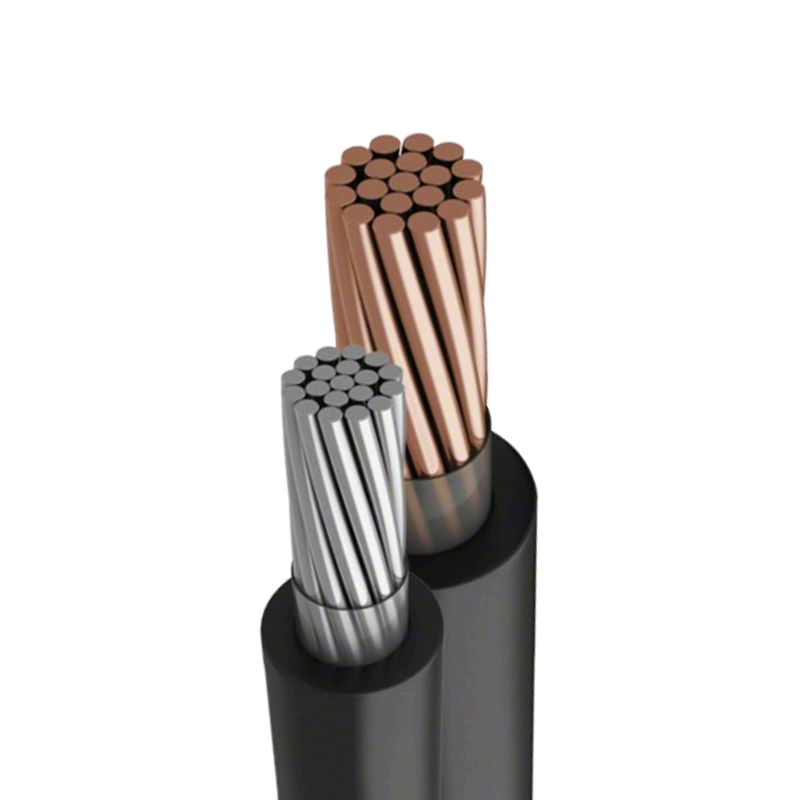 TüV EN50618 H1Z2Z2-K 1.5 kV Solar DC CableFor PV panel-to-inverter DC connections, this halogen-free cable is rated for 1.5 kV, 90 °C continuous and harsh outdoor exposure.View Product →
Work through these in order. Skipping step two is the most common and most expensive mistake in cable selection.
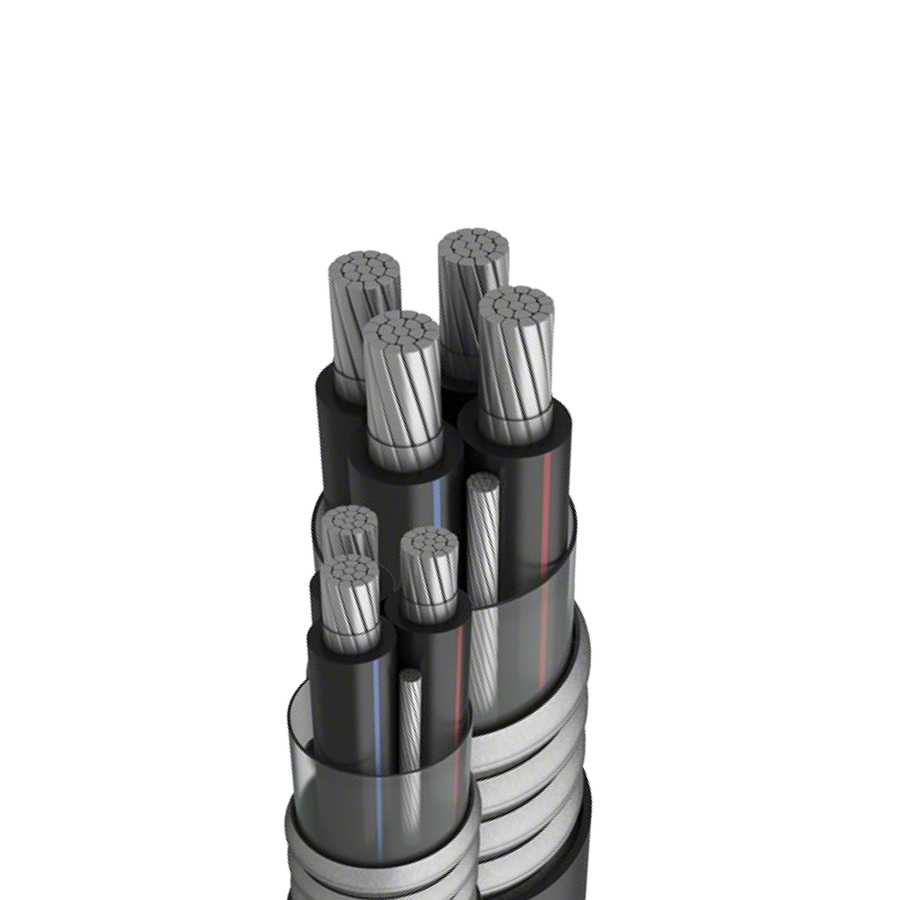
When cost pressure pushes back on a 90 °C XLPE design, an aluminium-alloy conductor with the same insulation class is often the cheaper way to reach the required ampacity: you move up a cross-section and keep the temperature class, as in constructions such as the YJLHV-8030 series.
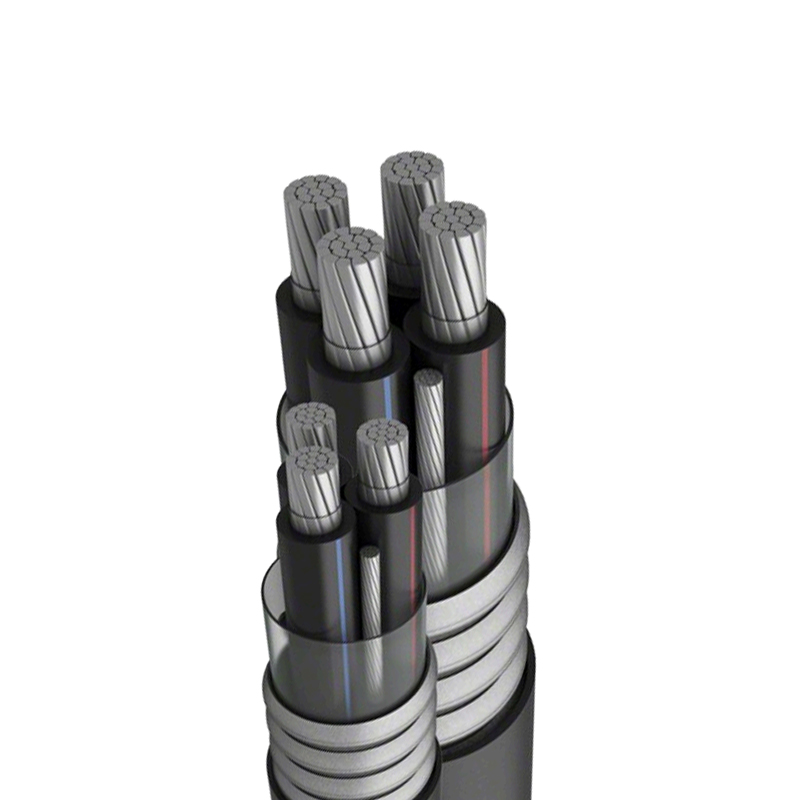 YJLHV 8030 Series XLPE Insulated Aluminum Alloy CableWhen cost pressure favors an aluminium-alloy conductor, this 90 °C XLPE range offers single- and multi-core constructions from 1 kV to 35 kV.View Product →
A temperature rating is a design claim that has to survive years of load cycling, harmonics and dirt. These checks keep the claim honest.
Most of this depends on how consistent the cable itself is. When compounding, extrusion, armouring and final testing happen inside one factory, there are fewer points where a declared temperature rating can drift away from the delivered product, which is why the full process stays in house from conductor drawing to routine test. Details are on our production and testing capabilities page.



Copyright © 2025 Wuxi Sanxin Cable Co., Ltd.
All Rights Reserved.
High Voltage Power Cables Manufacturers
Low Voltage Power Cables Factory