

 Language
 English
 عربى
عربىAluminum Alloy Cables Manufacturers
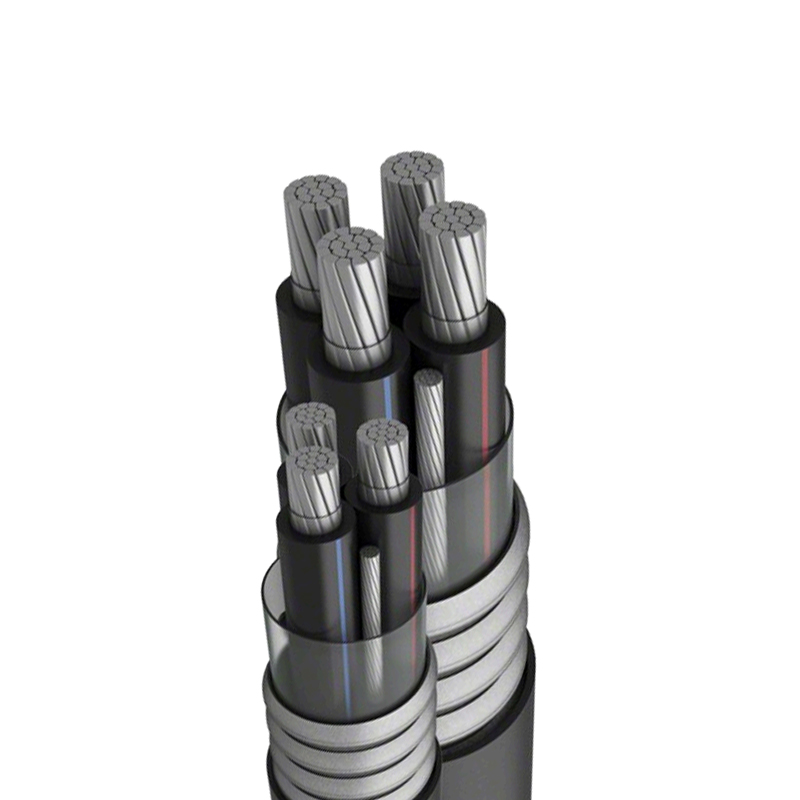
Aluminum alloy cable is a revolutionary cable conductor material. By adding trace amounts of iron, copper, magnesium, and manganese to pure aluminum, its overall performance is significantly enhanced. Compared to traditional pure aluminum cables, aluminum alloy cables achieve a qualitative leap in mechanical performance. Their significantly increased tensile strength and elongation allow them to withstand greater stress without breaking, exhibiting exceptional flexibility during installation and bending. More importantly, they effectively address the inherent cold flow and creep issues of pure aluminum, ensuring the long-term stability and safety of cable connections and avoiding the risk of fire caused by loose connections. Furthermore, they retain the lightweight advantages of aluminum, weighing only half as much as comparable copper cables, greatly simplifying transportation and installation.
About Us
Factory Tour
Contact us now
Latest Enterprise and Industry News
-

 2026-10-13
 Industry News
 -
2026-10-09Industry News
-
2026-09-28Industry News
-
2026-09-21Industry News

industry knowledge
Aluminum Alloy Cables Manufacturer for Power Distribution and Industrial Projects
Wuxi Sanxin Cable Co., Ltd. manufactures Aluminum Alloy Cables as part of a broader power cable range that includes XLPE-insulated low and medium voltage cables and solar cables. Our aluminum alloy conductor technology addresses the mechanical limitations of pure aluminum, delivering the conductivity, flexibility and connection stability required for modern distribution networks, building services and industrial feeders.
The 8030 series aluminum alloy conductor we produce combines high conductivity with resistance to creep and cold flow, so terminations remain tight under thermal cycling. Cables are available as single-core or multi-core constructions with XLPE insulation, and we configure the sheath, armouring and flame-retardant grade to match the installation environment.
Our Aluminum Alloy Cable Range
We supply aluminum alloy cables as a focused category within our power cable production. The range covers the YJLHV 8030 series and related constructions, with options for flame-retardant grades and customised core configurations. The table below summarises the main product types and their typical application fit.
| Product Type | Conductor / Insulation | Typical Voltage Class | Application Fit |
|---|---|---|---|
| YJLHV 8030 Series Single-Core | 8030 aluminum alloy, XLPE | 0.6/1 kV to 35 kV | Tight routing in shafts, trays and ducts; retrofits where bending radius is limited |
| YJLHV 8030 Series Multi-Core | 8030 aluminum alloy, XLPE | 0.6/1 kV to 35 kV | Distribution feeders, industrial power supply, building services |
| WDZA-YJLHV Flame-Retardant | 8030 aluminum alloy, XLPE, halogen-free low-smoke sheath | 0.6/1 kV to 35 kV | Tunnels, underground substations, public buildings with fire safety requirements |
| Armoured Aluminum Alloy Cables | 8030 aluminum alloy, XLPE, steel tape or wire armour | 0.6/1 kV to 35 kV | Direct burial, areas requiring mechanical protection or rodent resistance |
For projects that also require conventional copper or aluminum power cables, our Power Cables range covers XLPE-insulated designs from 0.6/1 kV up to 26/35 kV. Solar projects can be supported with Solar Cables including TÜV and UL-listed PV wire.
Why Aluminum Alloy Conductors
Pure aluminum conductors are lightweight and cost-effective, but they suffer from creep and cold flow at terminations, which can lead to loose connections and increased contact resistance over time. The 8030 series aluminum alloy we use adds trace elements such as iron, copper, magnesium and manganese to the aluminum melt. This alloying process improves tensile strength and elongation, reduces creep, and allows the cable to withstand repeated bending during installation without cracking.
The result is a conductor that weighs roughly half as much as an equivalent copper cable, reducing transportation and installation effort, while maintaining stable electrical performance. The alloy also forms a self-healing oxide layer that protects against corrosion in many industrial environments, provided terminations are correctly sealed and antioxidant compounds are applied.
Technical Specifications and Configuration Options
Our aluminum alloy cables are manufactured to GB/T 12706, GB/T 19666, GB/T 31840 and our internal 8030 series standard. The conductor performance exceeds ASTM B800-05 requirements. We offer a range of nominal cross-sections from 10 mm² to 630 mm², with current-carrying capacities that vary by core count, installation method and ambient temperature.
- Conductor: 8030 series aluminum alloy, single or stranded, with high conductivity and flexibility.
- Insulation: Cross-linked polyethylene (XLPE), rated 90°C continuous conductor temperature.
- Core configurations: Single-core, 2-core, 3-core, 4-core, 5-core, 3+1, 4+1, 3+2.
- Sheath options: PVC, halogen-free low-smoke flame-retardant (WDZA), or other materials on request.
- Armouring: Steel tape or steel wire for mechanical protection.
- Voltage class: 0.6/1 kV, 1.8/3 kV, 3.6/6 kV up to 26/35 kV.
- Flame retardant grade: Class A halogen-free low-smoke, or customised to project specification.
We can also produce cables with specific sheath colours, printing and packaging requirements. For projects requiring a particular standard or certification, we review the specification and confirm compliance before quoting.
Application Fit and Installation Considerations
Aluminum alloy cables are used in power transmission and distribution, industrial automation, urban construction, petrochemical plants, and renewable energy projects. Their lighter weight and smaller bending radius compared with copper cables make them suitable for retrofits where existing trays or ducts are already congested.
For direct burial, we recommend armoured constructions with a suitable outer sheath. In tunnels and underground substations, halogen-free low-smoke flame-retardant grades help meet fire safety requirements. When routing through long pulls with multiple bends, the flexibility of the 8030 alloy reduces the risk of strand displacement and insulation damage.
Terminations require compression connectors rated for aluminum alloy conductors, antioxidant compound at mating surfaces, and torque-controlled tools to achieve consistent contact pressure. We can provide guidance on compatible accessories and jointing methods during project engineering.
Quality Control and Testing
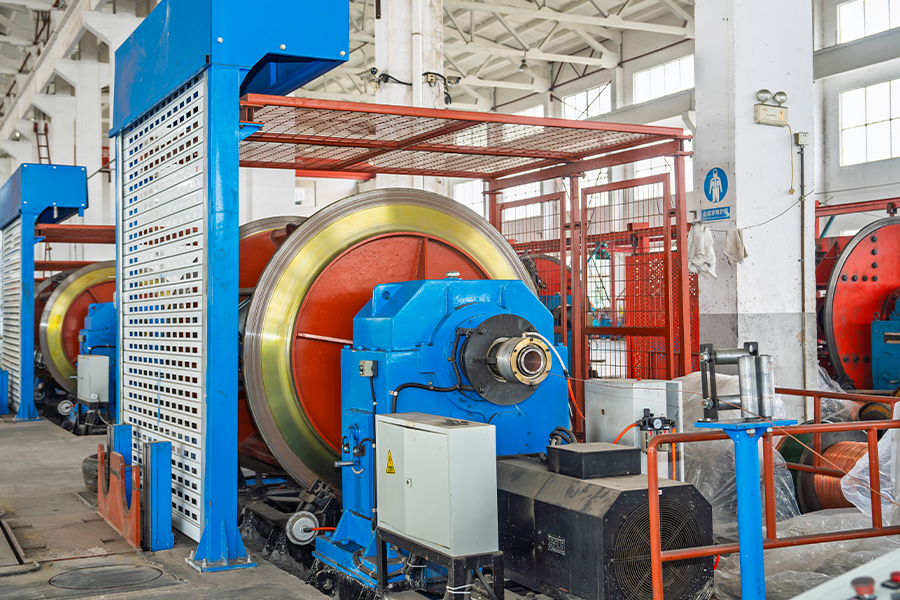
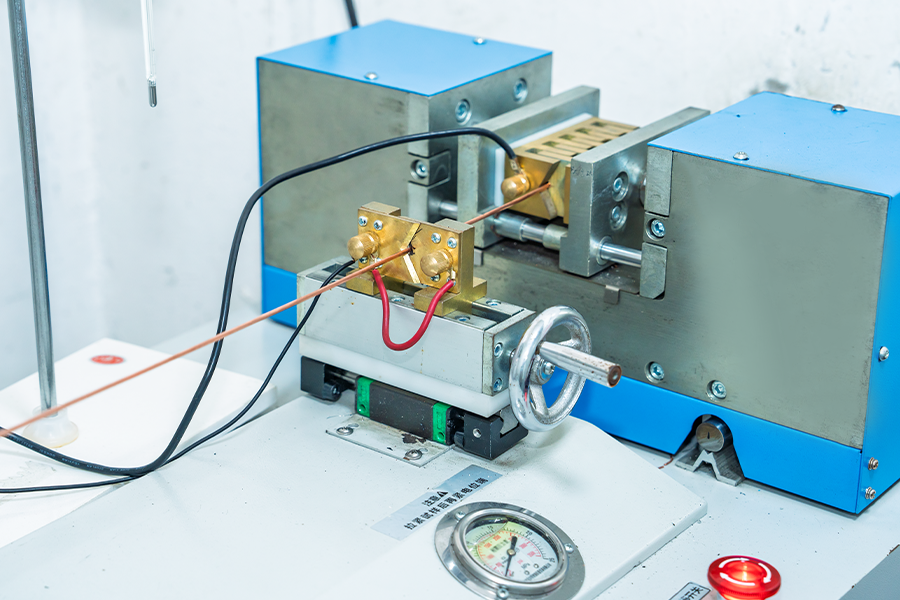
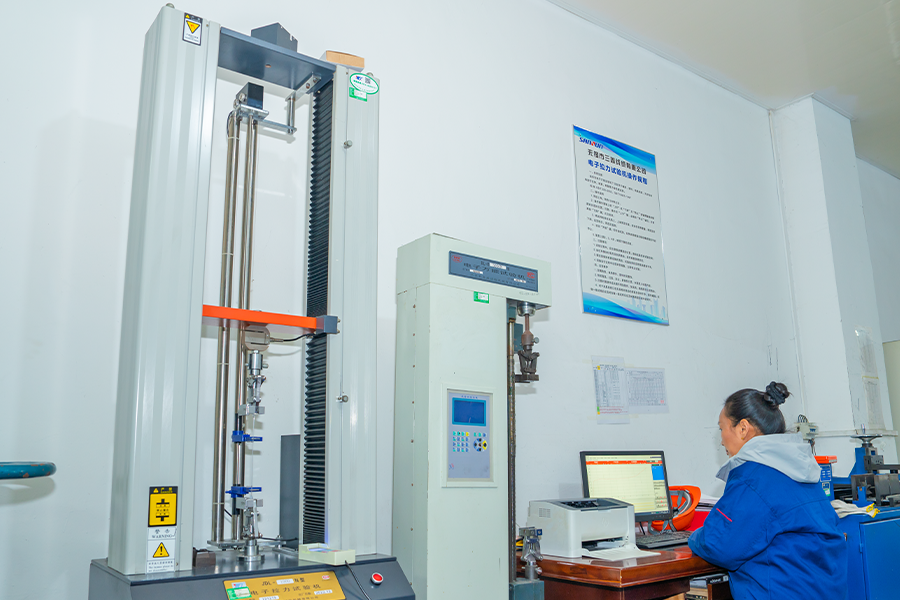
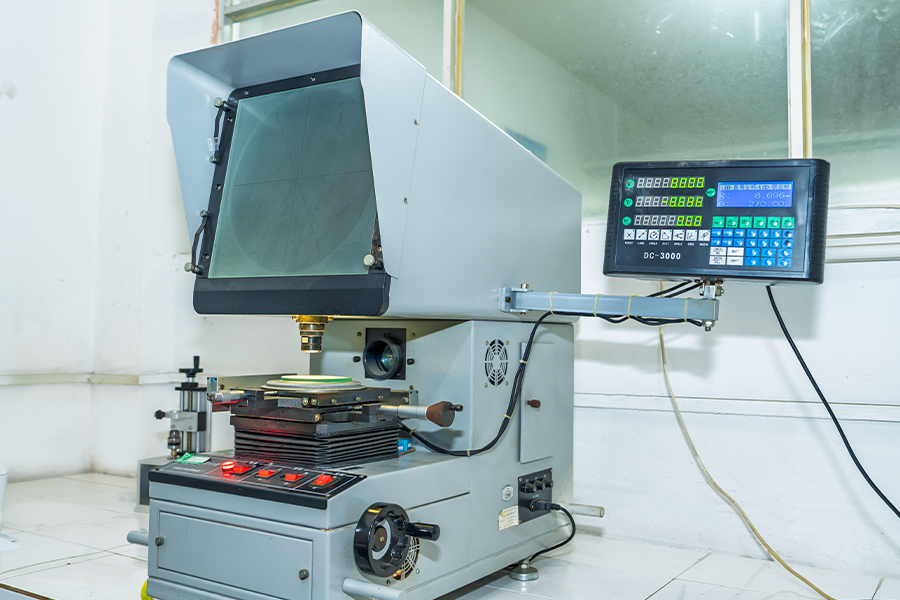
Our production process covers raw material selection, wire drawing, stranding, insulation extrusion, cabling, sheath extrusion, armouring and final testing. Each stage is inspected before the cable moves to the next operation. Final tests include conductor resistance measurement, insulation resistance and withstand voltage tests, and sheath integrity checks.
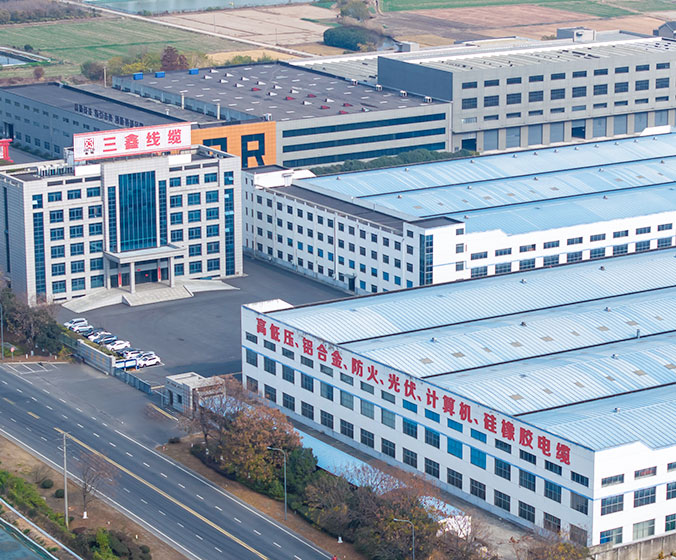
We operate our own factory and manage the supply chain from raw materials to finished cable, which allows us to maintain consistent quality and short lead times. Our products are certified with the China Quality Certification Center (CCC), and we can provide test reports and certificates of conformity for project documentation.
Information We Use to Configure Your Solution
To prepare an accurate proposal and quotation, we need the following project details. This information allows us to select the correct conductor size, insulation thickness, sheath material and armouring, and to confirm delivery scope.
- Voltage class and system earthing: 0.6/1 kV, 1.8/3 kV, 3.6/6 kV, 6/10 kV, 8.7/15 kV, 12/20 kV, 18/30 kV or 26/35 kV.
- Load current and duty cycle: Continuous, cyclic or emergency; expected maximum conductor temperature.
- Installation method: Tray, duct, direct burial, tunnel, or aerial; ambient temperature and soil thermal resistivity if buried.
- Route length and pulling conditions: Number of bends, vertical sections, and any restrictions on bending radius.
- Core configuration and nominal cross-section: Single-core or multi-core, and required mm².
- Sheath and flame-retardant requirements: Standard PVC, halogen-free low-smoke, or specific fire performance class.
- Armouring: Steel tape, steel wire, or non-armoured.
- Applicable standards and certification: GB, IEC, ASTM, or project-specific specifications.
- Documentation and testing: Type test reports, routine test certificates, or third-party inspection requirements.
- Packaging and delivery: Drum size, length per drum, shipping marks, and port of destination.
For customised products, we can develop and manufacture based on drawings or samples provided by the customer. Our engineering team reviews the technical requirements and confirms feasibility before production.
Project Support, Documentation and Serviceability
We support projects from initial specification through to delivery. Our team provides technical data sheets, installation guidelines, and test certificates as required. For maintenance, we can supply spare cable lengths and recommend compatible accessories. Our export team responds to quotation requests within 24 hours on working days.
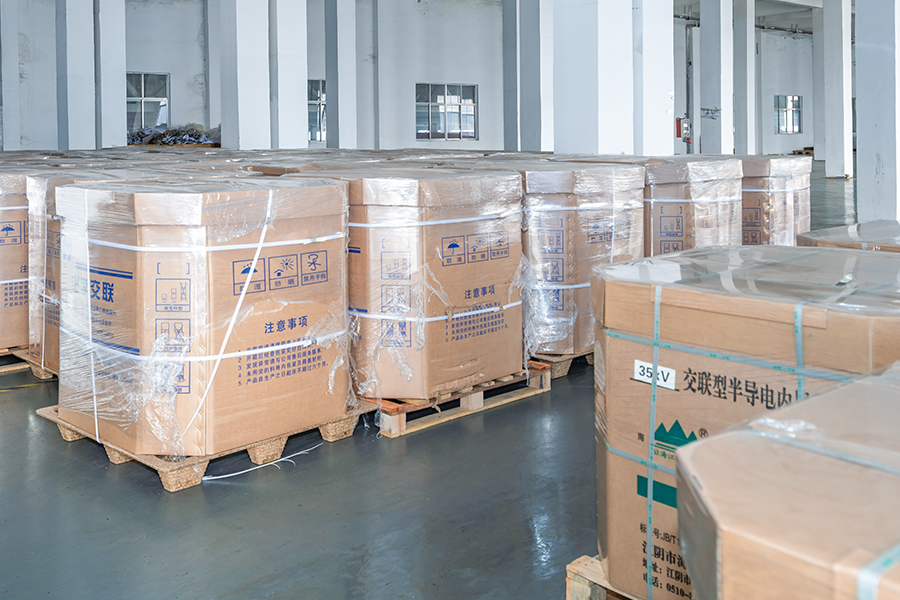
Cables are supplied on wooden drums or steel drums depending on size and destination, with clear labelling and shipping marks. We can arrange delivery to major ports and provide the necessary export documentation.
Frequently Asked Questions
What is the difference between aluminum alloy cables and pure aluminum cables?
Aluminum alloy cables use a conductor made from aluminum with small additions of iron, copper, magnesium and manganese. This alloying improves tensile strength, elongation and resistance to creep and cold flow, which are the main weaknesses of pure aluminum. The result is a cable that is more flexible during installation and maintains stable connections under thermal cycling.
Can you produce aluminum alloy cables to specific standards or certifications?
Yes. Our standard production follows GB/T 12706, GB/T 19666, GB/T 31840 and our 8030 series specification. We can also manufacture to IEC, ASTM or other international standards if required. Please provide the exact standard and any certification requirements in your inquiry.
What is the maximum voltage class available for aluminum alloy cables?
We produce aluminum alloy cables for voltage classes from 0.6/1 kV up to 26/35 kV. The YJLHV 8030 series covers 1 kV to 35 kV. For higher voltages, please contact us to discuss your project requirements.
Do you provide custom core configurations and sheath materials?
Yes. We can manufacture single-core and multi-core cables in configurations such as 3+1, 4+1 and 3+2. Sheath options include PVC, halogen-free low-smoke flame-retardant compounds, and other materials on request. Custom printing and packaging are also available.
What information is needed to receive a quotation?
To prepare an accurate quotation, we need the voltage class, nominal cross-section, core configuration, installation method, required standard, quantity, and delivery destination. If you have a project specification or single-line diagram, please share it with us. Our team will review and respond within 24 hours on working days.
How are the cables packaged for export?
Cables are wound on wooden or steel drums, with drum lengths selected to suit transportation and site handling. Each drum is labelled with cable type, size, length and shipping marks. We can also provide customised packaging if required.
Related Products and Categories
Our portfolio also includes Products for applications with different operating ranges, interfaces or integration requirements.

-
[email protected]

-
+86-0510-87207396

-
West Suburb of Guanlin Town, Yixing City, Jiangsu Province, China

Your Cable Products?
Copyright © 2025 Wuxi Sanxin Cable Co., Ltd.
All Rights Reserved.
Custom Aluminum Alloy Cables Manufacturers
