

 Language
 English
 عربى
عربى
Home / News / Industry News / Power Cables: Types, Selection Guide, Installation Tips, and Safety Insights
Industry News
Content
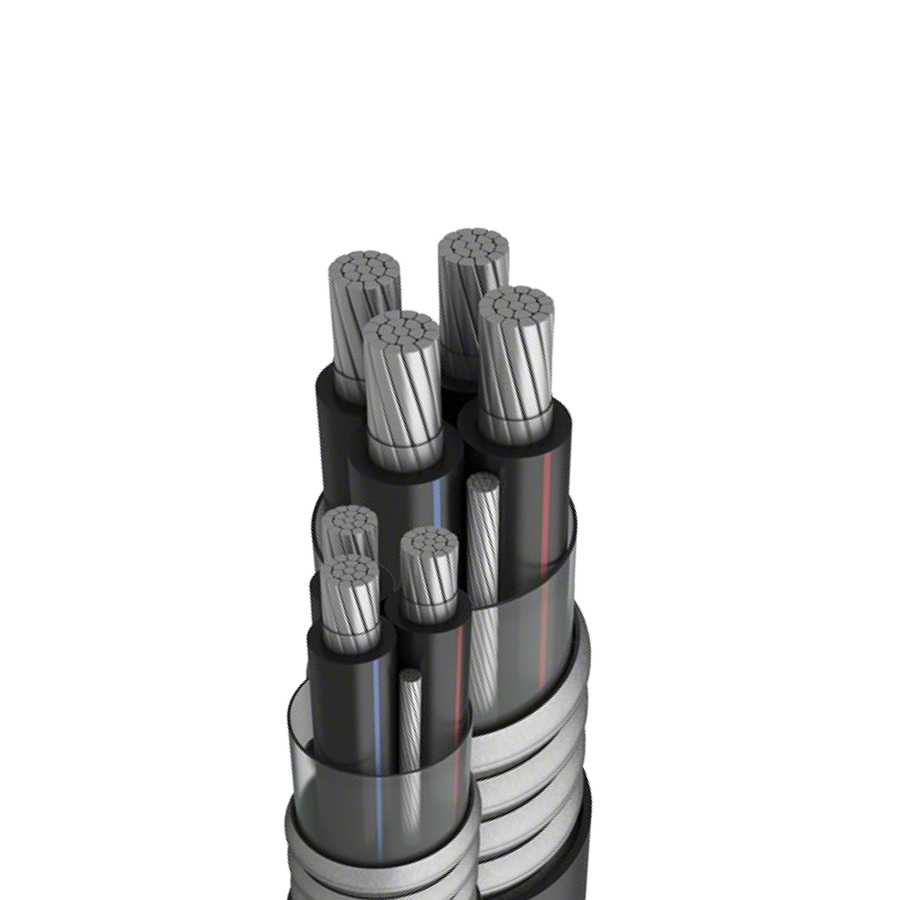
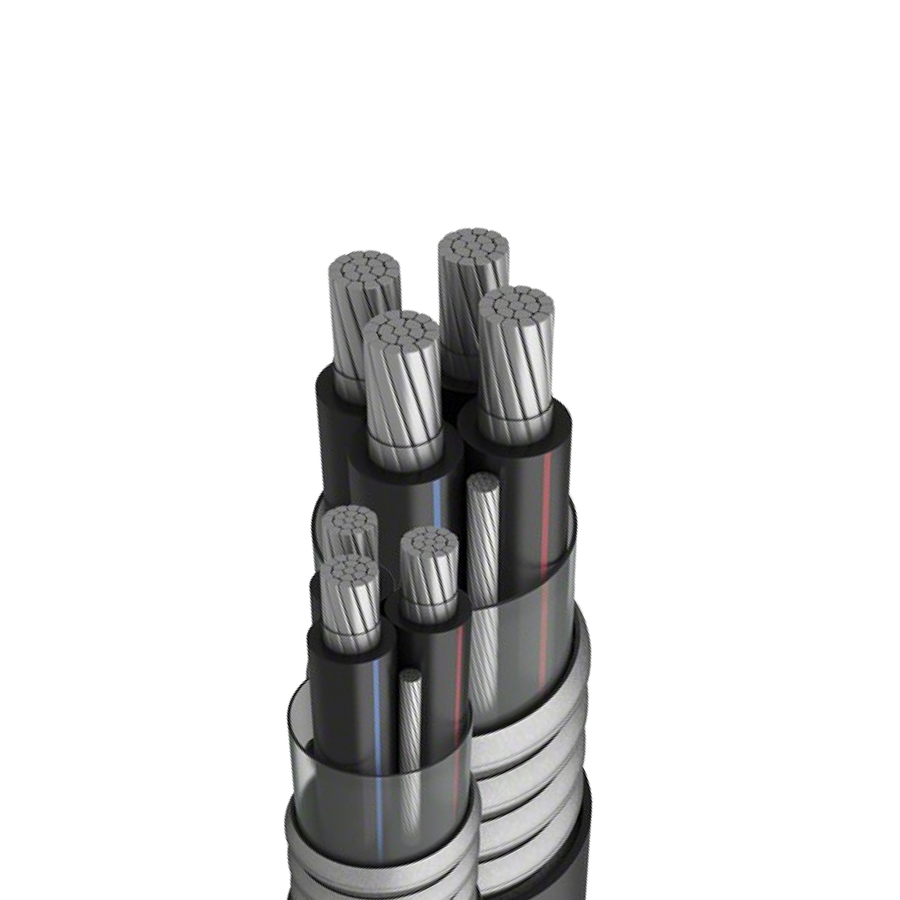
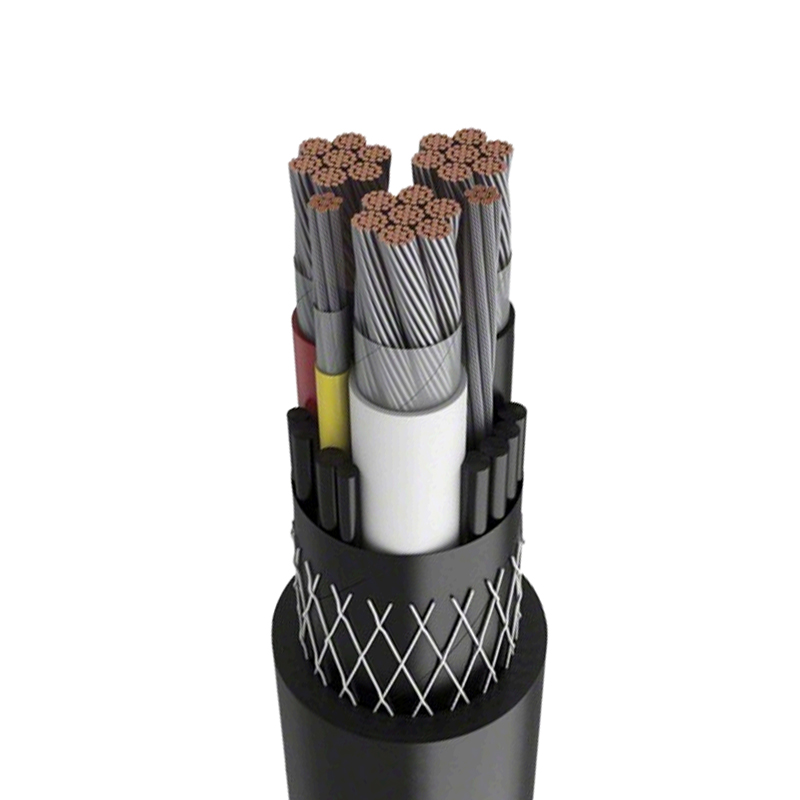
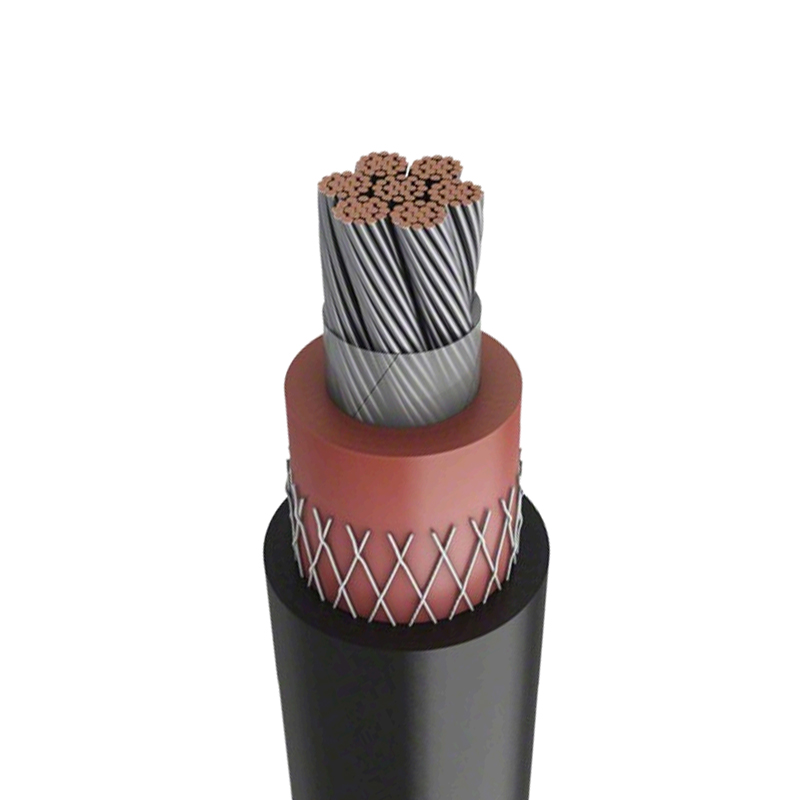
Power cables are engineered to transmit electrical energy safely and efficiently across residential, commercial, and industrial environments. To choose the right cable and use it properly, it’s essential to understand its internal structure and how each component contributes to performance and protection. A typical power cable consists of several layers designed to conduct electricity while resisting environmental and mechanical stress.
The conductor is the core element responsible for carrying electric current. Copper and aluminum are the two primary conductor materials. Copper provides excellent conductivity and mechanical strength, making it suitable for demanding applications. Aluminum, while slightly less conductive, offers a lightweight and cost-effective alternative for long-distance installations and large cross-sectional cables.
Insulation prevents electrical leakage and protects users and equipment from electrical shock. Common insulation materials include PVC, XLPE, and rubber-based compounds. XLPE insulation is widely used for medium- and high-voltage cables due to its thermal stability and resistance to chemical degradation. PVC insulation is common in household and commercial wiring for its affordability and versatility.
The outer sheath protects internal components from moisture, abrasion, and environmental exposure. Shielding—typically made from copper tape or aluminum foil—helps reduce electromagnetic interference (EMI), which is particularly important for sensitive industrial systems and communication equipment that may run alongside power cables.
Power cables come in many structures and voltage levels, each suitable for specific environments. Understanding the characteristics of each cable type ensures safe and efficient operation, especially when selecting cables for large-scale systems or critical infrastructure.
Low-voltage power cables are primarily used in household wiring, office buildings, and basic electrical networks operating below 1 kV. Their flexibility and cost-effectiveness make them ideal for lighting systems, appliance connections, and general electrical distribution.
Medium-voltage cables, typically operating between 1 kV and 35 kV, are used in industrial plants, utility distribution networks, and large commercial buildings. They are designed to withstand higher temperatures and environmental challenges while delivering stable power across larger distances.
High-voltage cables, operating above 35 kV, serve long-distance transmission lines and heavy industrial facilities. These cables require more advanced insulation, moisture barriers, and jointing systems to ensure reliability under extreme load conditions.
Indoor cables prioritize flexibility, low-smoke zero-halogen options, and compact dimensions for routing through walls and ceilings. Outdoor cables, by contrast, include UV protection, moisture resistance, and heavy-duty sheathing to endure weather exposure and mechanical stress during underground or overhead installations.
Choosing the appropriate power cable involves evaluating environmental conditions, electrical specifications, and long-term performance requirements. A careful selection process reduces system failure, energy loss, and maintenance costs.
| Material | Main Features | Typical Uses |
| Copper | High conductivity, durable | Premium wiring, industrial systems |
| Aluminum | Lightweight, cost-effective | Long-distance and high-voltage cables |
| XLPE Insulation | Heat-resistant, long service life | Medium and high-voltage cable insulation |
| PVC Insulation | Low cost, flexible | General household and commercial wiring |
Proper installation ensures optimal cable performance and prevents electrical hazards. Whether the cable is installed underground, overhead, or indoors, following recommended practices significantly improves safety and longevity.
Installation techniques vary depending on the cable type and environment. Underground installations need protective conduits and moisture-resistive layers, while overhead cables require sufficient clearance and tension control. Indoor routing often involves cable trays or conduits to maintain organization and reduce fire risk.
Regular inspection and maintenance extend the service life of power cables and help prevent unexpected failures. Many cable-related problems stem from environmental stress, aging, or mechanical damage that can be prevented with proper care.
Typical issues include insulation breakdown, conductor corrosion, moisture ingress, and mechanical crushing from improper installation. Identifying these problems early helps avoid costly repairs and downtime, especially in industrial and large commercial environments.




Copyright © 2025 Wuxi Sanxin Cable Co., Ltd.
All Rights Reserved.
High Voltage Power Cables Manufacturers
Low Voltage Power Cables Factory
