
 Language
 English
 عربى
عربىIndustry News
Content
- 1 Introduction to Aluminum Alloy Cables
- 2 Material Properties and Electrical Conductivity
- 3 Design and Construction Techniques
- 4 Performance Benefits in Electrical Systems
- 5 Comparing Aluminum Alloy Cables to Copper Cables
- 6 Applications in Modern Energy Systems
- 7 Maintenance and Longevity Considerations
- 8 Conclusion
Introduction to Aluminum Alloy Cables
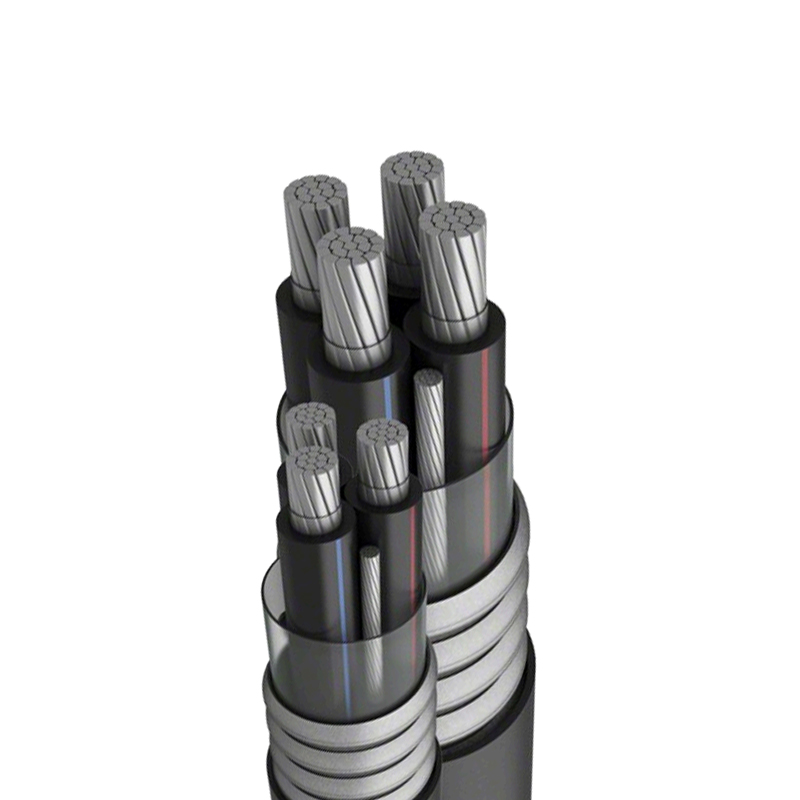
Aluminum alloy cables are increasingly replacing traditional copper cables in modern electrical systems due to their lightweight, cost-effectiveness, and efficiency benefits. These cables are engineered to provide high conductivity while maintaining mechanical strength, making them suitable for power transmission, industrial installations, and renewable energy applications. Understanding how aluminum alloy cables improve electrical efficiency requires a closer look at their material properties, design, manufacturing processes, and practical performance advantages.
Material Properties and Electrical Conductivity
The core advantage of aluminum alloy cables lies in their material composition. Aluminum is naturally lightweight and has high conductivity, while alloying elements such as magnesium or silicon enhance tensile strength and resistance to mechanical stress.
Lightweight Advantage
Aluminum alloy cables weigh approximately one-third of copper cables of equivalent conductivity. This reduction in weight decreases the load on support structures, simplifies installation, and reduces transportation costs without compromising electrical performance.
Enhanced Conductivity
Although aluminum has slightly lower conductivity than copper, the use of high-quality alloys and optimized cable design compensates for this. Stranded aluminum conductors and surface treatments improve current-carrying capacity while reducing resistive losses.
Design and Construction Techniques
The design of aluminum alloy cables significantly influences their efficiency and durability. Modern cables are engineered with specific layering, stranding, and insulation technologies.
Stranding Patterns
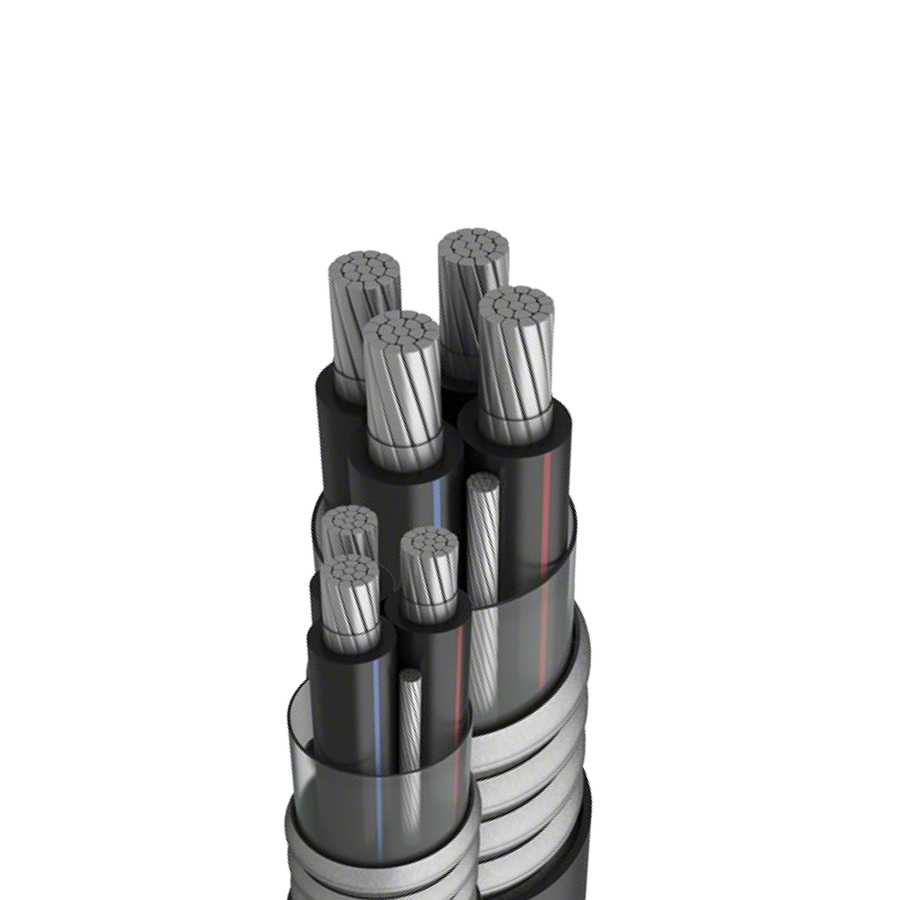
Aluminum alloy cables use multi-strand conductors to balance flexibility and mechanical strength. These strands reduce the skin effect in AC systems and allow for easier bending during installation, minimizing stress points that could increase resistance.
Surface Treatments and Coatings
Special coatings such as anti-oxidation layers and alloy-specific treatments improve surface conductivity and prevent corrosion. This maintains low resistance over time and enhances the long-term reliability of the cables.
Performance Benefits in Electrical Systems
Aluminum alloy cables offer tangible performance benefits that directly impact efficiency, energy savings, and system reliability.
Reduced Energy Losses
High-quality aluminum alloy cables have low resistive losses, especially in high-voltage transmission. By reducing electrical resistance, these cables ensure more efficient energy delivery from power plants to end users.
Improved Heat Dissipation
Aluminum’s thermal conductivity allows better heat dissipation, reducing the risk of overheating in high-current applications. Lower operating temperatures contribute to longer cable lifespan and less energy lost as heat.
Mechanical Reliability
Aluminum alloy cables resist sagging, deformation, and fatigue better than pure aluminum cables. Enhanced mechanical strength ensures that they can withstand environmental stressors such as wind, ice, or vibration without performance degradation.
Comparing Aluminum Alloy Cables to Copper Cables
To evaluate efficiency improvements, it is important to compare aluminum alloy cables with traditional copper cables in key performance metrics.
| Feature | Aluminum Alloy Cable | Copper Cable |
| Weight | 1/3 of copper | Standard |
| Conductivity | 95% of copper (optimized alloys) | 100% |
| Cost | Lower | Higher |
| Weight-related Structural Load | Reduced | Standard |
| Heat Dissipation | Better | Moderate |
Applications in Modern Energy Systems
Aluminum alloy cables are widely used in energy transmission, industrial distribution, and renewable energy sectors due to their lightweight and efficient performance.
Power Transmission Lines
High-voltage aluminum alloy cables are ideal for overhead transmission lines. Their reduced weight lowers tower stress while providing efficient electrical delivery over long distances.
Industrial and Commercial Buildings
In industrial environments, aluminum alloy cables carry large currents safely, offering cost-effective alternatives to copper without sacrificing performance or safety standards.
Renewable Energy Integration
Solar and wind installations benefit from lightweight aluminum alloy cables, reducing installation costs while maintaining high conductivity for efficient energy transmission.
Maintenance and Longevity Considerations
Proper handling and periodic inspection are key to maximizing the lifespan of aluminum alloy cables. Preventing mechanical stress, ensuring tight terminations, and using compatible connectors minimize oxidation and maintain conductivity.
Conclusion
Aluminum alloy cables offer a practical and efficient alternative to copper in modern electrical systems. Their lightweight construction, optimized conductivity, and mechanical reliability improve electrical efficiency, reduce costs, and enhance durability across multiple applications. As energy systems continue to evolve, aluminum alloy cables will play an increasingly vital role in delivering reliable and sustainable power solutions worldwide.