

 Language
 English
 عربى
عربى
Home / News / Industry News / Are Aluminum Alloy Cables Becoming the Preferred Choice for Power Transmission?
Industry News
Content
In recent years, aluminum alloy cables have moved from a niche alternative to a serious contender in power transmission systems. Utilities, contractors, and industrial users are increasingly evaluating whether these cables can meet the technical, economic, and safety demands traditionally served by copper. The question is no longer whether aluminum alloy cables work, but whether they offer enough advantages to become the preferred option for modern power transmission.
This growing interest is driven by practical considerations such as material availability, installation efficiency, long-term operating costs, and evolving standards. Aluminum alloy cables are no longer the same as early-generation aluminum conductors; advances in alloy composition and manufacturing processes have significantly improved their performance and reliability.
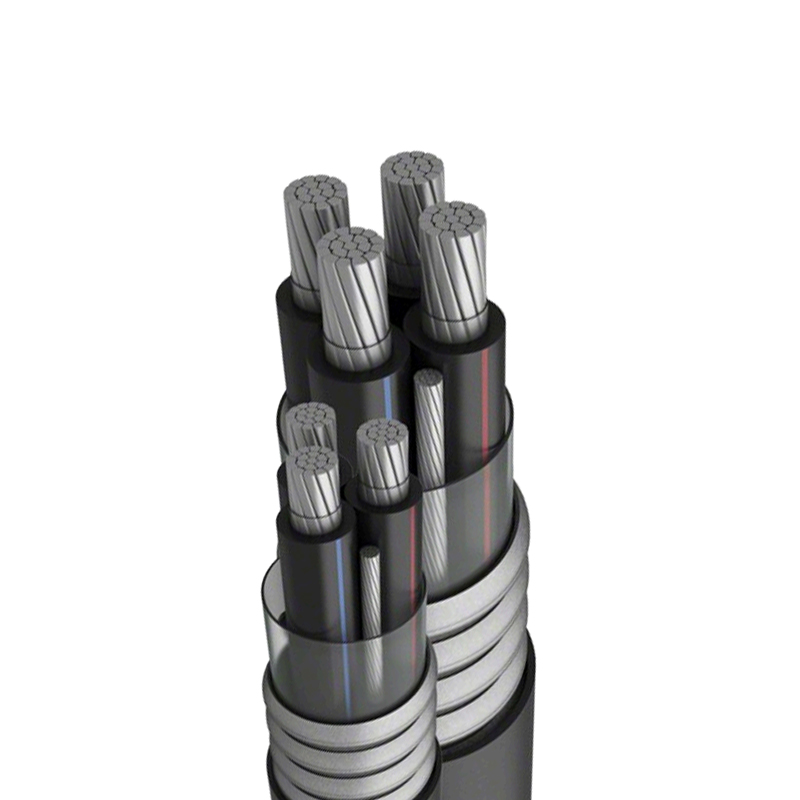
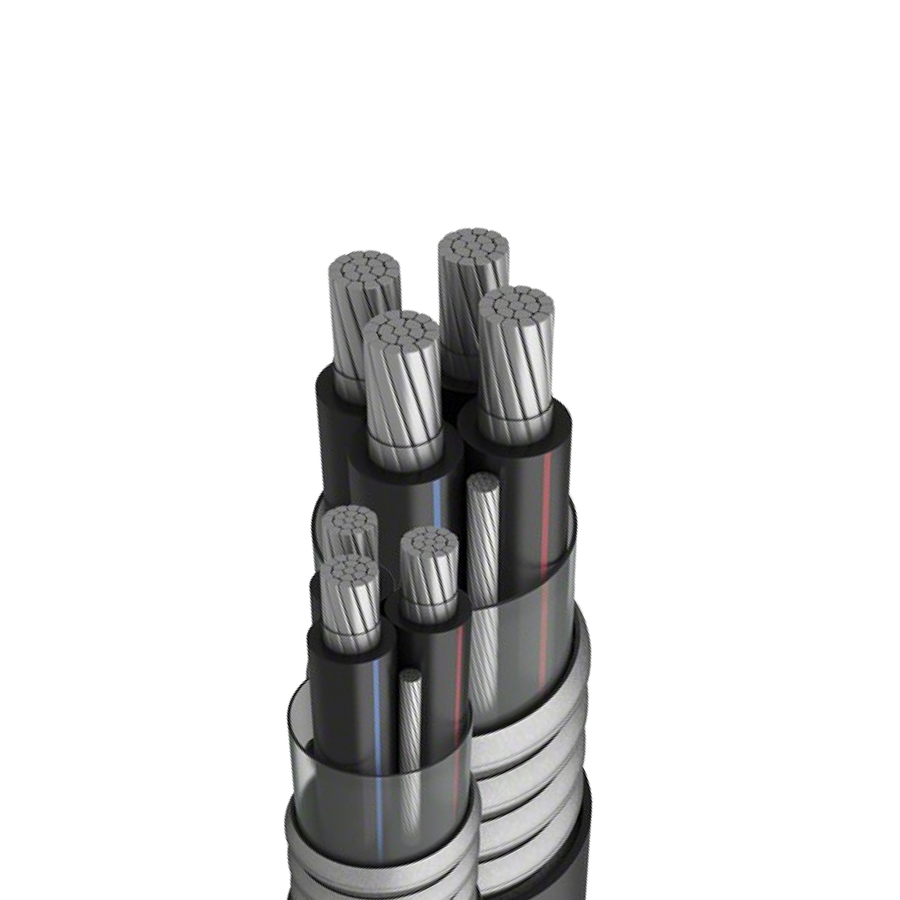
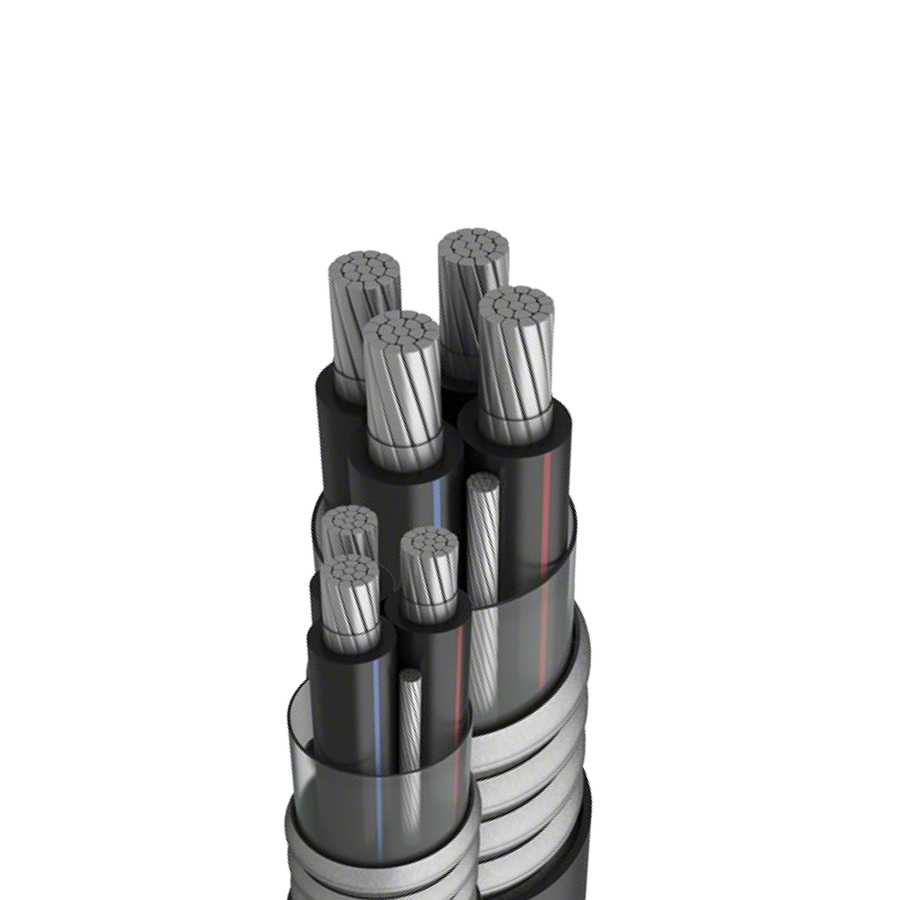
The core appeal of aluminum alloy cables lies in their material properties. Aluminum alloys used in modern power cables are engineered to balance conductivity, mechanical strength, and corrosion resistance. While pure aluminum has lower electrical conductivity than copper, optimized alloy formulations and larger cross-sectional designs help compensate for this difference in transmission applications.
Another important factor is weight. Aluminum alloy cables are significantly lighter than copper cables of comparable current-carrying capacity. This reduced weight directly impacts transportation, handling, and installation, especially in overhead lines, long-distance transmission, and large-scale infrastructure projects.
Although aluminum alloys typically offer about 60–65% of copper’s conductivity by volume, their performance per unit weight is highly competitive. When designed correctly, aluminum alloy cables can achieve similar current ratings while operating within acceptable temperature limits. Improved thermal stability also reduces the risk of insulation degradation over time.
Cost considerations are a major reason why aluminum alloy cables are gaining traction. Raw aluminum is generally less expensive and more price-stable than copper, which is subject to greater market volatility. This difference can significantly reduce upfront material costs for large transmission projects.
Beyond initial purchase price, lifecycle costs matter. Lighter cables reduce installation labor, equipment requirements, and structural support needs. Over time, these savings can outweigh the need for slightly larger conductor sizes, making aluminum alloy cables financially attractive in both public and private projects.
Early concerns about aluminum cable brittleness and creep have been largely addressed through alloy improvements. Modern aluminum alloy cables exhibit enhanced tensile strength and better resistance to deformation under mechanical stress. This makes them suitable for both fixed installations and environments where vibration or thermal expansion is a concern.
Installation reliability has also improved with the development of compatible connectors, lugs, and termination techniques. When installed according to standards, aluminum alloy cables can deliver consistent performance with minimal maintenance requirements.
Specially designed fittings and anti-oxidation compounds ensure secure connections and reduce contact resistance. This compatibility minimizes one of the historical risks associated with aluminum conductors, making current systems safer and more dependable.
In practical transmission scenarios, the choice between aluminum alloy and copper cables often depends on project priorities rather than absolute performance. Copper remains favored in space-constrained environments due to its higher conductivity per unit volume. However, aluminum alloy cables excel in long-distance transmission, overhead lines, and cost-sensitive installations.
| Factor | Aluminum Alloy Cables | Copper Cables |
| Weight | Lightweight | Heavy |
| Material Cost | Lower | Higher |
| Installation Ease | Easier handling | More labor-intensive |
Safety remains a top priority in power transmission, and aluminum alloy cables are now widely recognized in international and regional standards. Updated codes specify design guidelines, installation practices, and testing requirements that ensure safe operation over the cable’s service life.
Regulatory acceptance has encouraged utilities and engineering firms to adopt aluminum alloy cables with greater confidence. Compliance with standards also simplifies approval processes for new transmission projects.
Environmental impact is increasingly influencing material selection in power infrastructure. Aluminum alloy cables offer advantages in recyclability and energy efficiency during production. Aluminum recycling requires significantly less energy than primary metal extraction, contributing to lower overall carbon footprints.
Additionally, the lighter weight of aluminum alloy cables reduces transportation emissions, supporting sustainability goals without compromising technical performance.
The evidence suggests that aluminum alloy cables are increasingly preferred in many power transmission contexts, particularly where cost efficiency, weight reduction, and scalability are critical. While copper will continue to play a role in specialized applications, aluminum alloy cables are no longer viewed as a compromise solution.
As technology, standards, and installation practices continue to evolve, aluminum alloy cables are well-positioned to become a dominant choice in modern power transmission networks, answering the industry’s demand for reliable, economical, and sustainable solutions.




Copyright © 2025 Wuxi Sanxin Cable Co., Ltd.
All Rights Reserved.
High Voltage Power Cables Manufacturers
Low Voltage Power Cables Factory
