
 Language
 English
 عربى
عربىIndustry News
Content
Introduction to Solar Cables
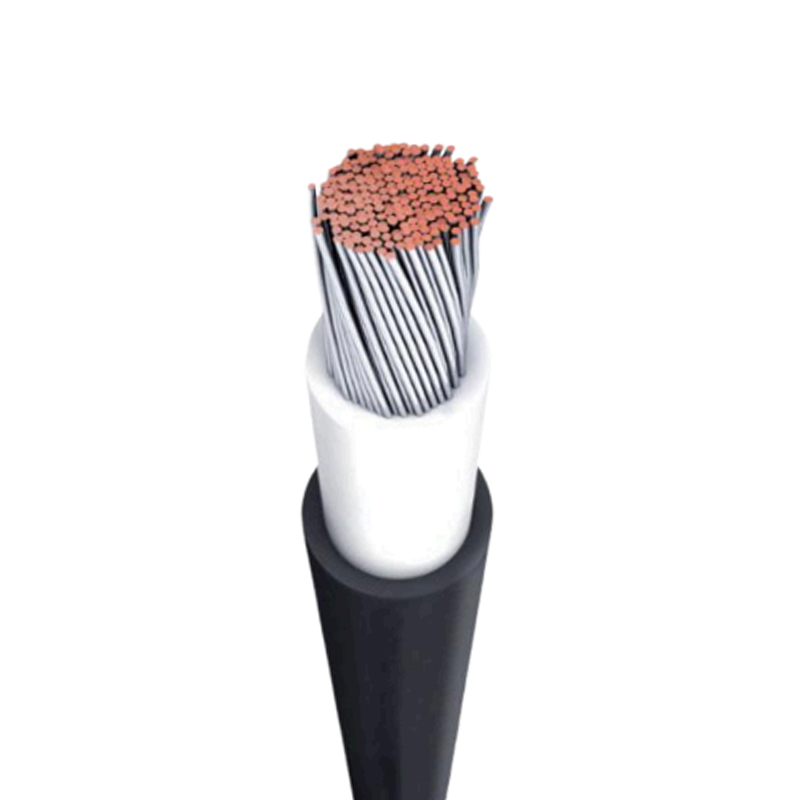
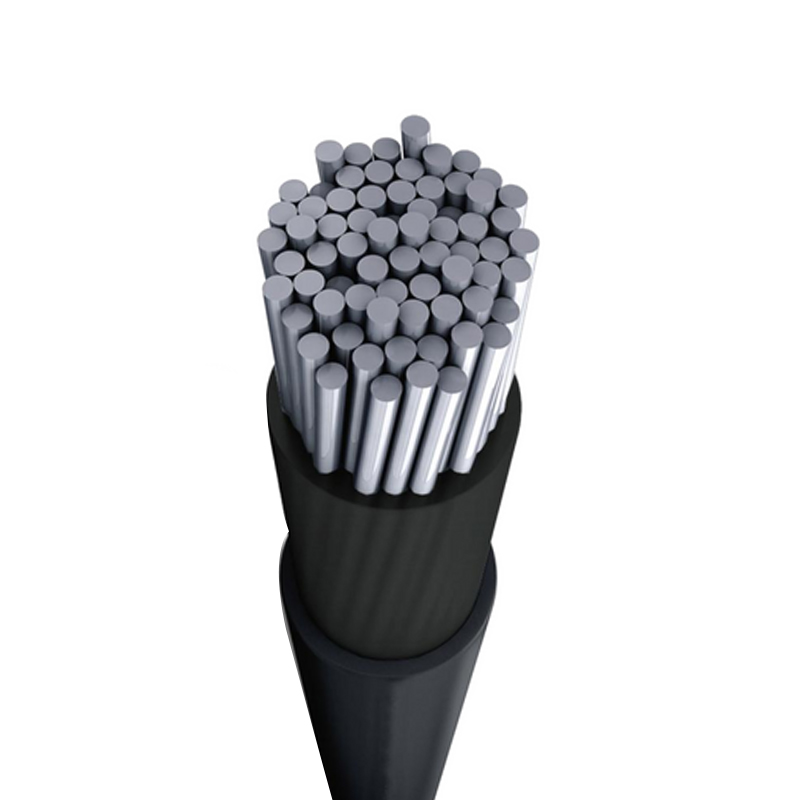
Solar cables are specially designed electrical conductors used in photovoltaic (PV) systems to transmit electricity generated by solar panels to inverters and batteries. Unlike ordinary cables, solar cables must withstand harsh outdoor conditions, high UV exposure, and fluctuating temperatures while maintaining high efficiency. Understanding the differences between solar cables and standard electrical cables is crucial for system performance, safety, and long-term reliability.
Material Composition
The first major difference lies in the material composition of the conductors and insulation. Solar cables typically use high-purity copper or tinned copper for conductivity and corrosion resistance. Ordinary cables may use standard copper or aluminum conductors, which can degrade faster in outdoor conditions.
- Solar cables feature UV-resistant and weatherproof insulation materials such as cross-linked polyethylene (XLPE) or thermoplastic elastomer (TPE).
- Ordinary cables often have PVC insulation, suitable for indoor or protected environments but prone to cracking or degradation under prolonged sunlight exposure.
- Solar cables are designed to resist moisture, chemical exposure, and mechanical stress, ensuring long-term reliability outdoors.
Temperature and Environmental Resistance
Solar cables are engineered to operate in a wide temperature range, typically from -40°C to +120°C. This allows them to handle extreme conditions on rooftops or outdoor solar farms. Ordinary cables generally have a narrower temperature range and may not perform well under direct sunlight or in freezing temperatures.
- High thermal stability prevents insulation deformation or electrical failure in hot climates.
- UV-resistant insulation prevents material breakdown due to prolonged sun exposure.
- Enhanced resistance to humidity and water ingress ensures safe operation in rainy or snowy conditions.
Electrical Performance and Efficiency
Solar cables are optimized for low electrical resistance, high current-carrying capacity, and minimal voltage drop over long distances. This ensures maximum power transfer from solar panels to the inverter, enhancing the efficiency of the PV system. Ordinary cables may experience higher voltage drops and energy loss when used in solar applications.
- Precise conductor sizing minimizes energy loss in DC circuits of PV systems.
- Double or triple insulation layers enhance electrical safety and prevent short circuits.
- Solar cables are often designed for both DC and AC voltage compliance, whereas ordinary cables may only meet standard AC requirements.
Durability and Lifespan
Lifespan is another key differentiator. Solar cables are built to last for 25 years or more, matching the expected lifespan of PV panels. Ordinary cables typically last 10–15 years in indoor environments but degrade faster outdoors.
- Corrosion-resistant conductors prevent oxidation and performance loss over time.
- Weatherproof insulation maintains flexibility and prevents cracks during seasonal temperature changes.
- Reduced maintenance requirements save costs and ensure system reliability for decades.
Standards and Certifications
Solar cables are subject to strict international standards to ensure safety and reliability in renewable energy applications. Compliance with these standards differentiates them from ordinary cables.
- IEC 62930: International standard for photovoltaic wire and cable quality.
- UL 4703: Certification for photovoltaic wire in North America.
- RoHS compliance ensures environmentally safe materials.
- Ordinary cables may lack these certifications, making them unsuitable for long-term outdoor PV use.
Installation Considerations
Installing solar cables requires specialized attention to ensure safety, performance, and durability. Key differences in installation include:
- Solar cables should be routed on rooftops with UV-resistant clips and secured to prevent movement in wind or thermal expansion.
- Minimum bending radius must be respected to prevent conductor damage.
- Proper grounding and shielding prevent electrical faults and ensure system protection.
- Ordinary cables may not withstand outdoor mounting, and improper installation can cause early failure.
Cost Comparison
Solar cables are generally more expensive than ordinary cables due to higher-quality materials, certifications, and durability requirements. However, their long lifespan, reduced maintenance needs, and improved system efficiency justify the investment.
- Initial cost is higher, but total lifecycle cost is lower due to reliability and reduced replacement.
- Energy savings from lower voltage drop enhance the economic return of solar installations.
- Investing in certified solar cables mitigates safety risks and potential system downtime costs.
Conclusion
In summary, solar cables differ from ordinary cables in terms of materials, environmental resistance, electrical performance, durability, certification, and installation requirements. Using proper solar cables is essential to ensure PV system efficiency, safety, and long-term reliability. While ordinary cables may seem cheaper initially, they are unsuitable for outdoor solar applications and can lead to failures or safety hazards. Selecting high-quality, certified solar cables is a critical step for anyone investing in solar energy systems.