

 Language
 English
 عربى
عربى
Home / News / Industry News / Why Are Aluminum Alloy Cables Gaining Popularity in Modern Infrastructure Projects?
Industry News
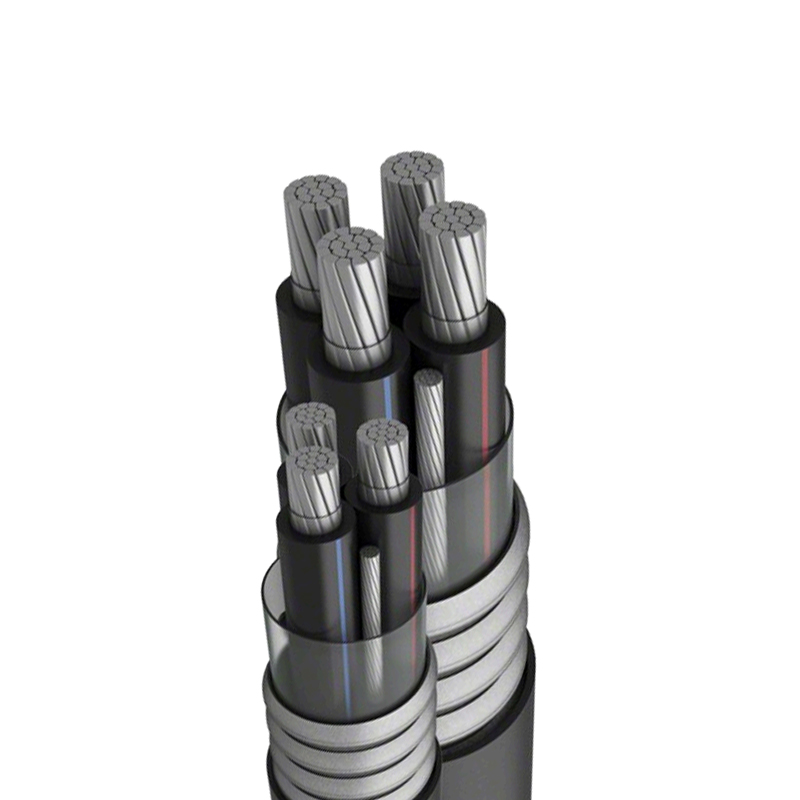
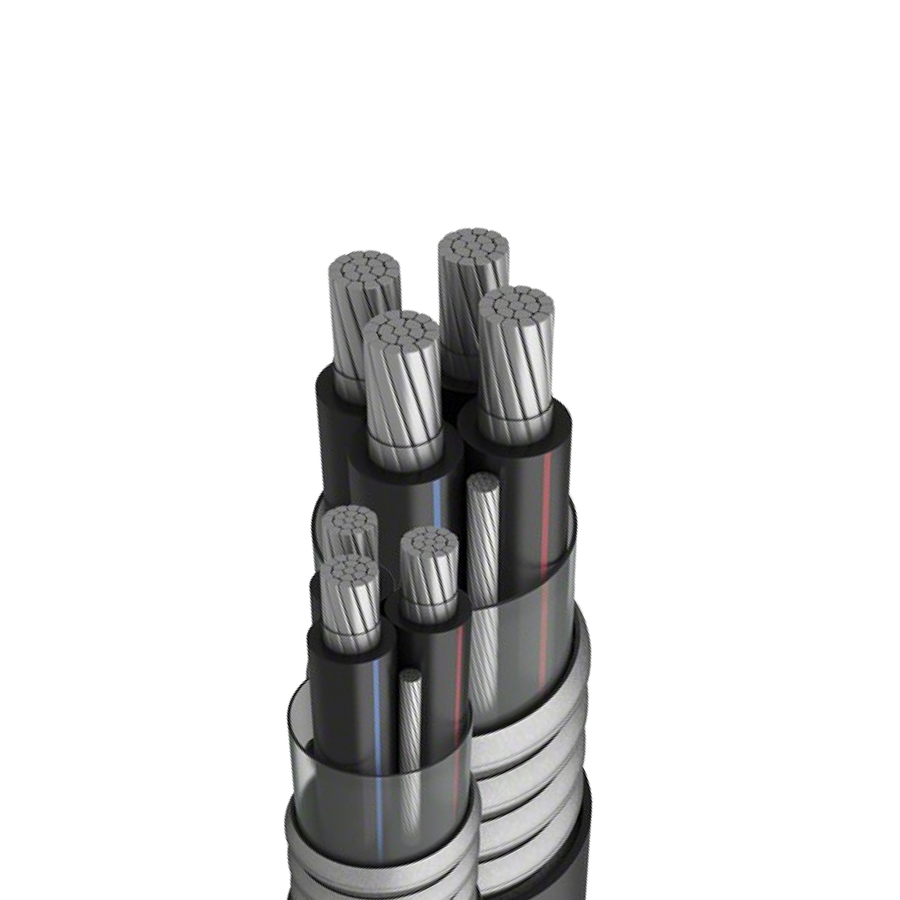
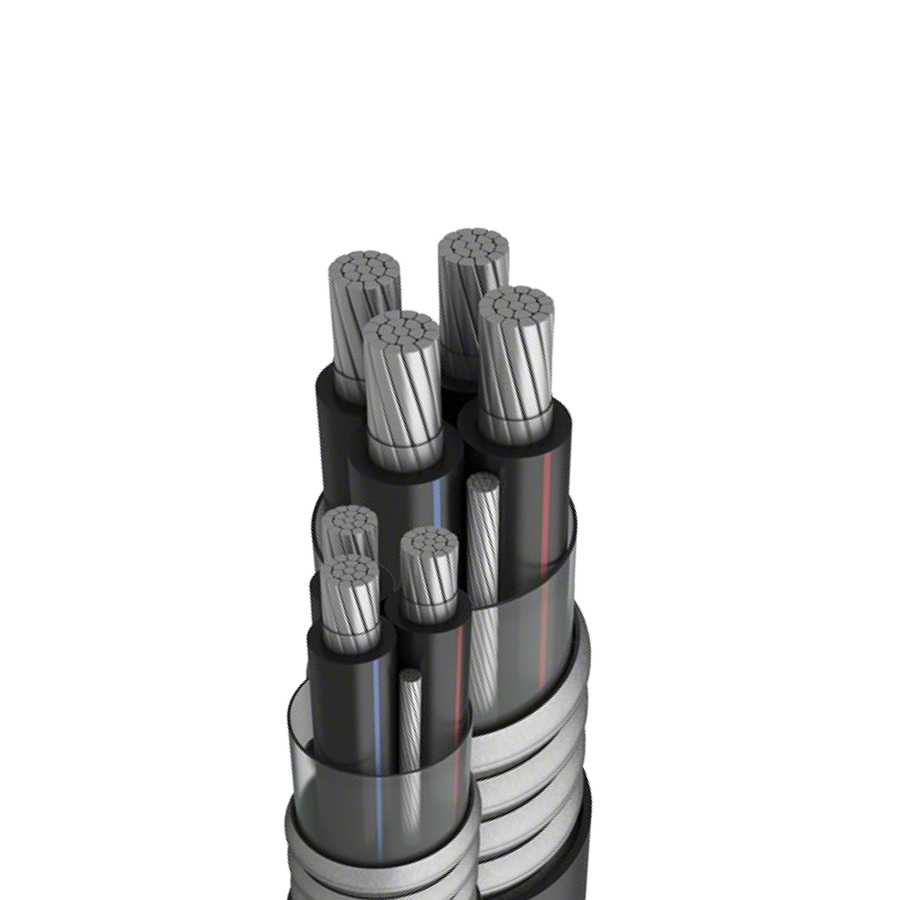
Aluminum alloy cables are increasingly becoming a preferred choice in modern infrastructure projects, including power transmission, commercial buildings, transportation networks, and renewable energy systems. As infrastructure developers face growing pressure to control costs, improve energy efficiency, and meet sustainability goals, aluminum alloy cables offer a practical alternative to traditional copper cables. Their rising adoption is not driven by a single factor, but by a combination of economic, technical, and environmental advantages that align well with current infrastructure demands.
Content
One of the most significant reasons aluminum alloy cables are gaining popularity is their cost advantage. Aluminum is substantially more affordable than copper, and its price is generally more stable in global commodity markets. For large-scale infrastructure projects that require extensive cabling, material cost differences can translate into major budget savings without compromising basic electrical performance.
In addition to lower raw material costs, aluminum is more abundant worldwide. This availability reduces supply chain risks and lead times, which is especially important for infrastructure projects operating under strict schedules. As governments and private developers accelerate construction timelines, predictable material sourcing becomes a strategic benefit.
Aluminum alloy cables weigh significantly less than copper cables with comparable current-carrying capacity. This lightweight characteristic simplifies handling, transportation, and on-site installation. In high-rise buildings, long-span bridges, and underground infrastructure, reduced cable weight lowers structural load requirements and installation labor intensity.
Easier installation also improves workplace safety. Fewer workers and lighter lifting equipment are needed, which reduces the risk of injuries and shortens installation time. These practical advantages make aluminum alloy cables particularly attractive for large and complex infrastructure projects.
Modern aluminum alloy cables are not made from pure aluminum. Instead, they use carefully engineered alloys that enhance mechanical strength, creep resistance, and conductivity. These improvements address many of the historical concerns associated with early aluminum wiring systems.
While copper still offers higher conductivity by volume, aluminum alloy cables compensate through larger cross-sectional areas. When properly designed, they meet or exceed the electrical requirements of most infrastructure applications, including medium- and low-voltage power distribution.
| Property | Aluminum Alloy Cables | Copper Cables |
| Conductivity | Good (optimized by alloy design) | Excellent |
| Weight | Low | High |
| Cost | Lower | Higher |
Advances in alloy composition and cable manufacturing have significantly improved the safety profile of aluminum alloy cables. Modern designs address issues such as thermal expansion, oxidation, and joint stability through specialized connectors and protective insulation systems.
Infrastructure projects today follow strict electrical codes and standards. Aluminum alloy cables are now widely recognized by international standards organizations and are approved for use in many residential, commercial, and industrial applications. When installed correctly, they provide reliable long-term performance.
Sustainability is a core driver behind the adoption of aluminum alloy cables. Aluminum production requires less energy over its lifecycle compared to copper, especially when recycled material is used. Aluminum is also highly recyclable without significant loss of properties, making it well-suited for circular economy initiatives.
As governments and developers pursue greener infrastructure, choosing materials with lower environmental impact becomes a strategic decision. Aluminum alloy cables help reduce carbon footprints while maintaining functional performance.
Modern infrastructure projects are increasingly complex, integrating smart grids, renewable energy sources, electric vehicle charging stations, and advanced building management systems. Aluminum alloy cables are compatible with these applications due to their flexibility, scalability, and performance reliability.
In renewable energy installations such as solar farms and wind power systems, long cable runs are common. The lightweight nature and cost efficiency of aluminum alloy cables make them particularly suitable for these environments.
Beyond initial installation, aluminum alloy cables deliver long-term economic value. Lower upfront costs, reduced structural demands, and reliable service life contribute to favorable total cost of ownership. Maintenance requirements are comparable to copper systems when proper installation practices are followed.
For infrastructure owners managing assets over decades, these benefits translate into predictable performance and controlled lifecycle expenses, making aluminum alloy cables a strategic investment rather than a short-term compromise.
The growing popularity of aluminum alloy cables in modern infrastructure projects reflects a broader shift toward practical, cost-effective, and sustainable design choices. With advancements in alloy technology, improved safety standards, and strong economic advantages, aluminum alloy cables have evolved into a reliable solution for contemporary power distribution needs.
As infrastructure demands continue to expand globally, aluminum alloy cables are well-positioned to play a central role in supporting efficient, resilient, and environmentally responsible development.




Copyright © 2025 Wuxi Sanxin Cable Co., Ltd.
All Rights Reserved.
High Voltage Power Cables Manufacturers
Low Voltage Power Cables Factory
