

 Language
 English
 عربى
عربى
Home / News / Industry News / How Are Power Cables Evolving to Meet the Demands of Renewable Energy?
Industry News
Content
The increasing global shift towards renewable energy sources, such as solar, wind, and hydroelectric power, has led to a growing demand for reliable and efficient power transmission systems. Power cables play a critical role in connecting renewable energy sources to the grid, ensuring that electricity is transmitted efficiently and safely. As renewable energy systems evolve, power cables must also adapt to meet new challenges, including higher energy outputs, environmental considerations, and more complex infrastructures.
One of the key factors driving the evolution of power cables for renewable energy applications is the development of new materials and designs that improve performance, durability, and efficiency. The following are some of the latest innovations:
Power cables used in renewable energy applications must meet certain criteria to be effective. Some of the key features include:
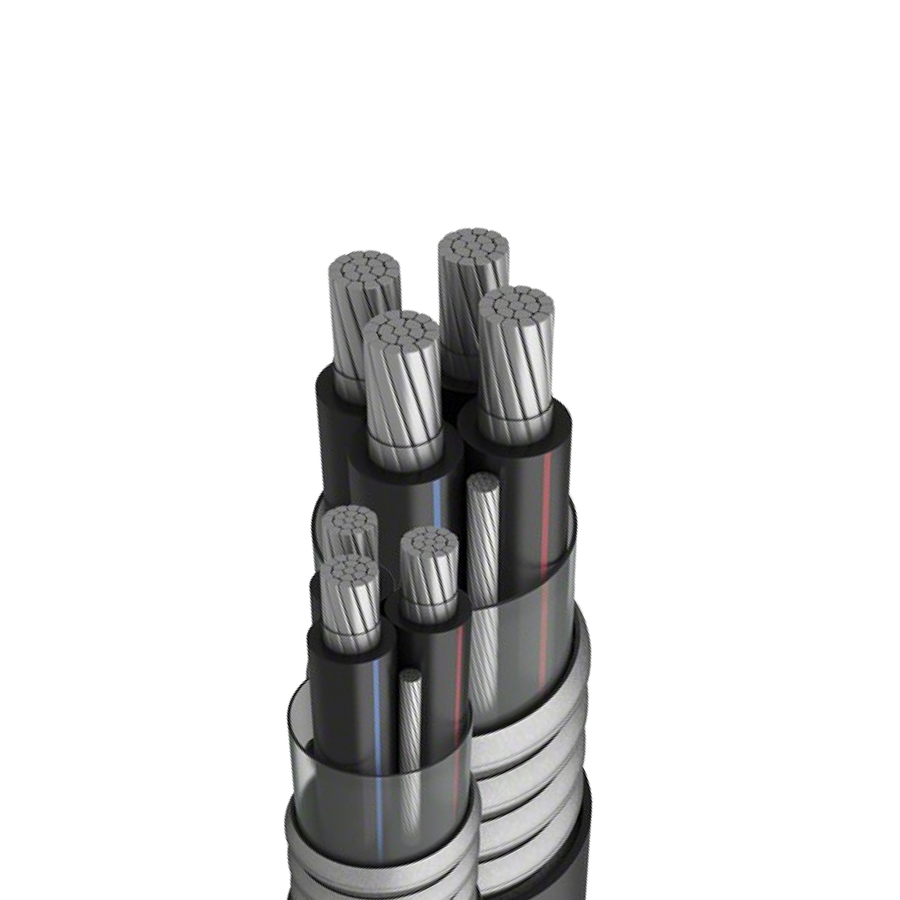
Solar energy systems require cables that can handle fluctuating energy output and exposure to sunlight and weather. Specialized solar power cables are designed with UV-resistant coatings and weatherproof insulation to ensure reliability in outdoor installations. These cables also support high-voltage applications, allowing solar power to be efficiently transmitted to the grid.
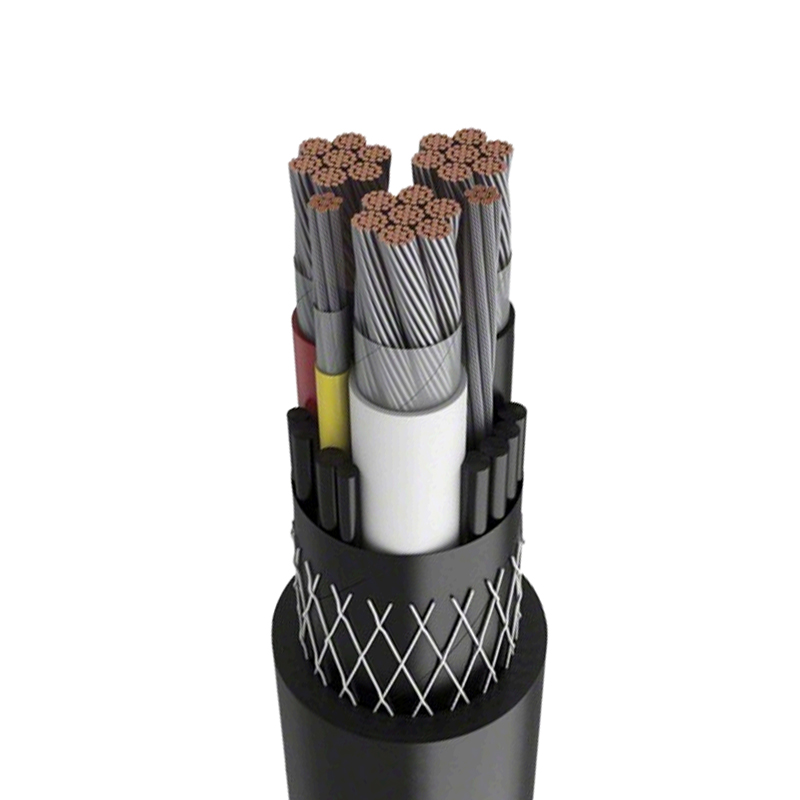
Wind power installations, particularly offshore wind farms, rely on robust power cables that can withstand saltwater, wind, and other harsh conditions. Subsea cables are designed for underwater installations, and their construction ensures minimal energy loss during transmission. These cables often incorporate additional layers of protection against moisture, corrosion, and mechanical impact.
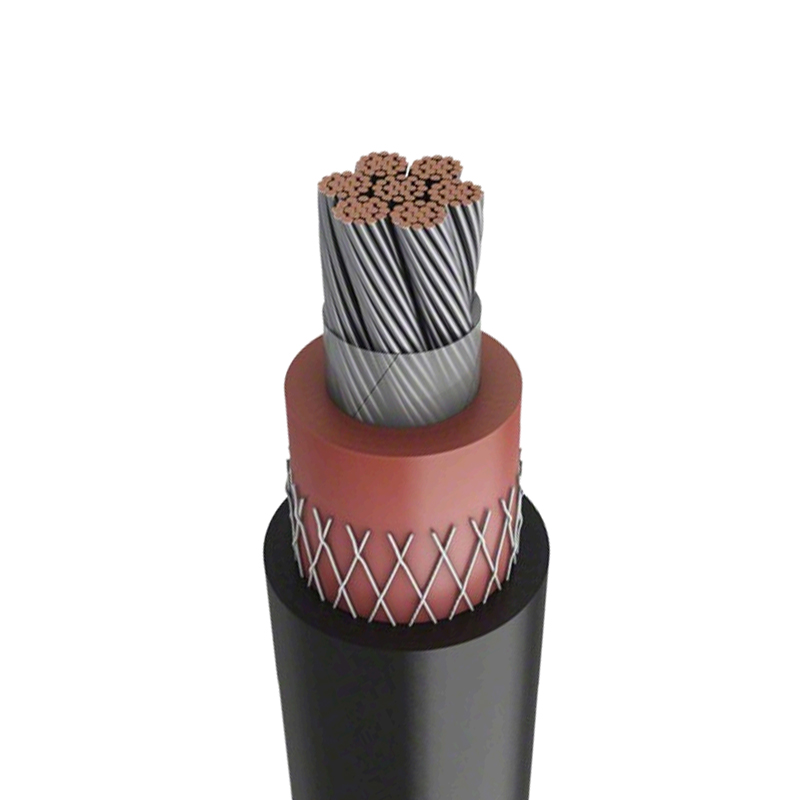
Hydroelectric plants require high-voltage power cables that can transport large amounts of energy from remote locations to the grid. These cables are built with thick insulation and high-conductivity materials to ensure efficient transmission over long distances. The cables must also be resistant to water and weather-related stressors.
The integration of renewable energy sources into smart grids requires power cables to support bidirectional power flow, energy storage, and real-time data communication. Power cables used in smart grids must be capable of handling high-frequency signals and transmitting data from renewable energy systems to grid management centers. Innovations such as hybrid cables, which combine power transmission with data communication capabilities, are crucial for this application.
As the world continues to transition towards renewable energy, the role of power cables becomes increasingly vital. The materials, designs, and features of power cables must evolve to meet the unique demands of solar, wind, and hydroelectric power systems. By focusing on durability, efficiency, and smart grid compatibility, power cables will ensure the continued success of renewable energy in meeting global energy needs.




Copyright © 2025 Wuxi Sanxin Cable Co., Ltd.
All Rights Reserved.
High Voltage Power Cables Manufacturers
Low Voltage Power Cables Factory
