

 Language
 English
 عربى
عربى
Home / News / Industry News / What Makes Aluminum Alloy Cables Essential for Sustainable Infrastructure?
Industry News
Content
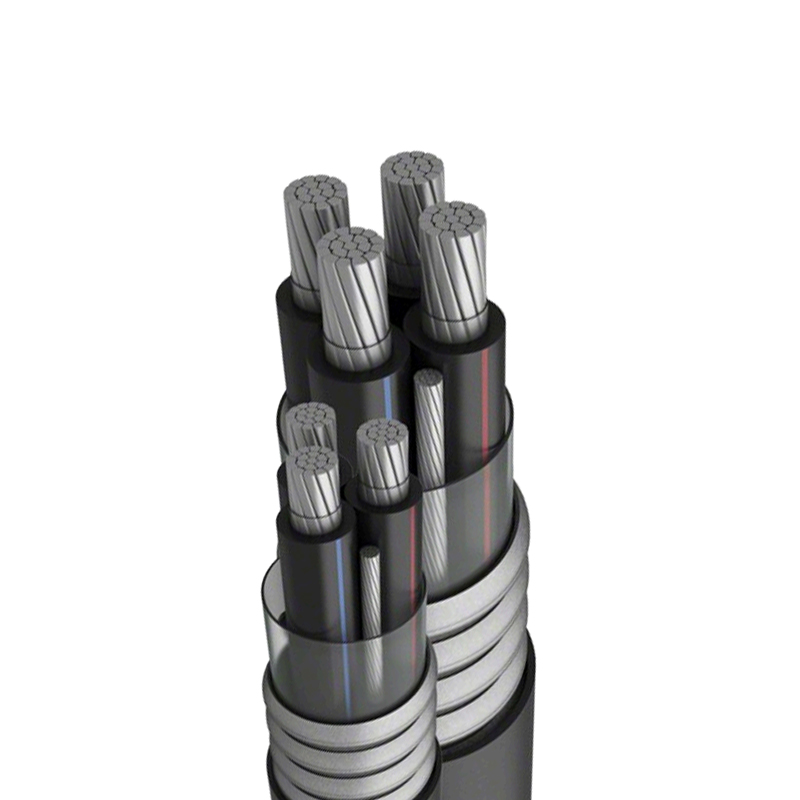
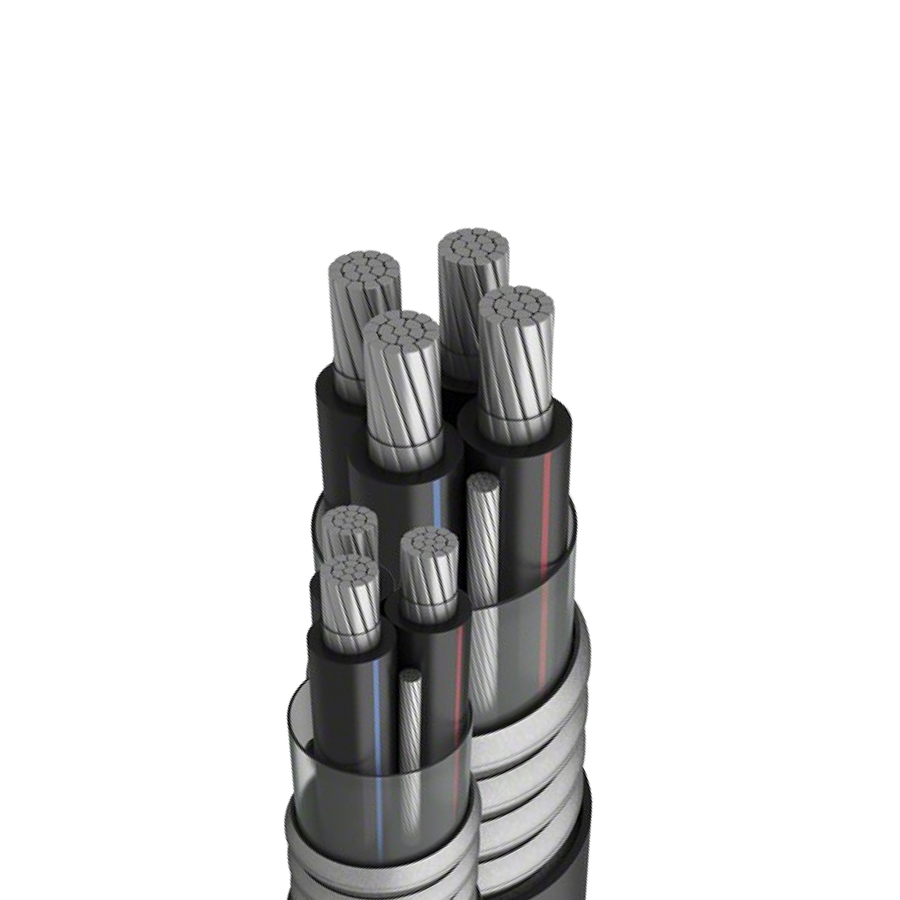
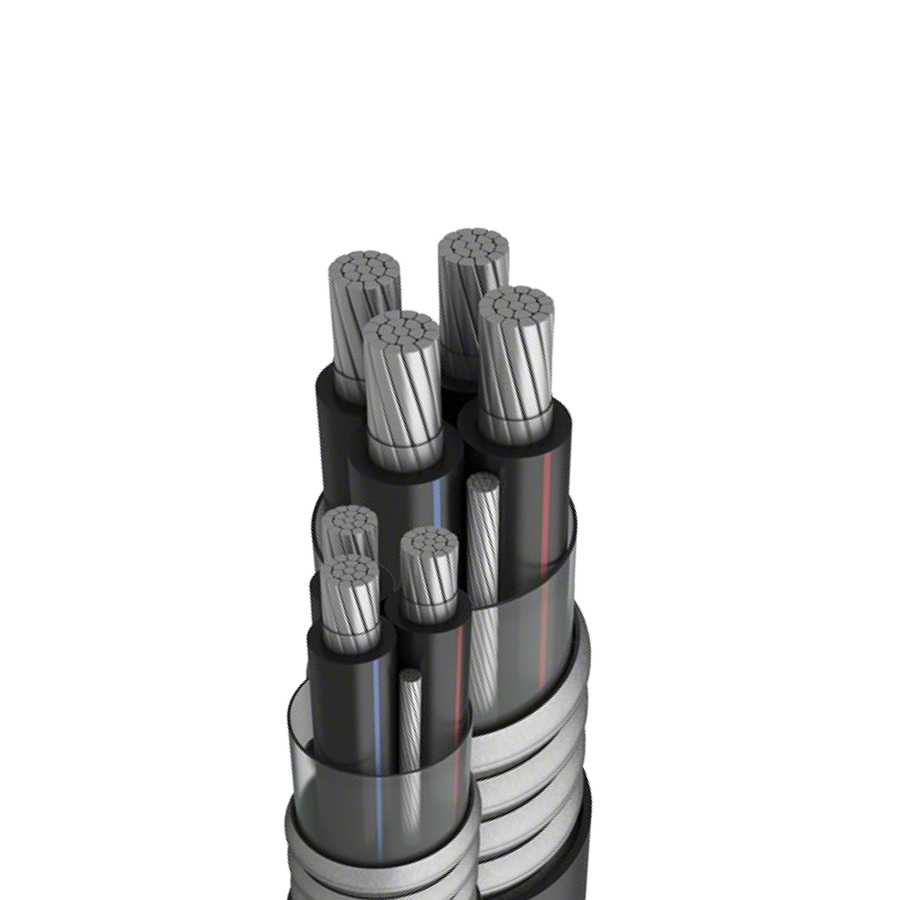
Aluminum alloy cables are increasingly recognized as a vital component in sustainable infrastructure. Combining lightweight properties, high conductivity, and mechanical strength, these cables offer a practical alternative to traditional copper wiring. With the global push towards energy efficiency and reduced environmental impact, aluminum alloy cables have become a cornerstone in modern electrical systems and power distribution networks.
Their versatility allows them to be used in high-voltage transmission, urban infrastructure, renewable energy installations, and industrial applications. By balancing cost-effectiveness with performance, aluminum alloy cables provide engineers and developers with a sustainable solution that aligns with both operational and environmental goals.
Aluminum alloy cables offer several advantages that make them ideal for sustainable infrastructure projects. One key benefit is their lightweight nature, which reduces the structural load on support systems and simplifies installation. Their excellent conductivity, while slightly lower than copper, is compensated by design adjustments and alloying, allowing efficient power transmission over long distances.
Durability is another major advantage. Aluminum alloys resist corrosion, especially in environments exposed to moisture, salt, and industrial pollutants. This longevity reduces maintenance needs, replacement frequency, and overall lifecycle costs, aligning perfectly with sustainability objectives.
While copper has traditionally dominated the electrical industry due to its superior conductivity, aluminum alloy cables are increasingly competitive due to their lower weight, cost, and environmental impact. Although aluminum has slightly lower conductivity, careful design and alloy enhancements compensate for this, enabling equivalent or even superior performance in many applications.
| Property | Copper | Aluminum Alloy |
| Weight | Heavy | Lightweight |
| Conductivity | High | Moderate to High |
| Cost | Higher | Lower |
| Corrosion Resistance | Moderate | High |
Aluminum alloy cables are suitable for a wide range of sustainable infrastructure projects, including renewable energy installations like solar farms and wind turbines, urban power grids, high-voltage transmission lines, and industrial facilities. Their lightweight design allows for easier installation in challenging environments, reducing the need for heavy support structures and minimizing environmental disturbance.
In renewable energy applications, these cables can connect solar panels or wind turbines to the grid efficiently, ensuring minimal energy loss while maintaining long-term reliability. Their corrosion resistance ensures durability in outdoor and coastal installations where environmental exposure is high.
Choosing aluminum alloy cables over traditional materials also delivers economic benefits. The lower material cost and reduced transportation weight decrease project expenses, while longer service life minimizes maintenance and replacement costs. Environmentally, aluminum is highly recyclable, reducing the need for new raw material extraction and decreasing the carbon footprint of infrastructure projects.
In addition, by reducing the overall material usage due to their lightweight properties, aluminum alloy cables contribute to sustainable construction practices, supporting global initiatives to limit resource consumption and promote eco-friendly energy solutions.
Proper installation is essential to maximize the performance and longevity of aluminum alloy cables. Specialized connectors, torque-controlled terminations, and careful handling prevent damage or performance degradation. Regular inspection ensures the cables remain free of corrosion, mechanical stress, or insulation damage, which can compromise safety and efficiency.
Training for installation personnel and adherence to industry standards is critical to maintaining performance. When correctly installed and maintained, aluminum alloy cables can last decades, offering a sustainable, low-maintenance alternative to traditional copper wiring.
Aluminum alloy cables are transforming sustainable infrastructure by providing a balance of efficiency, durability, and cost-effectiveness. Their lightweight, corrosion-resistant properties, combined with adequate conductivity, make them an essential choice for modern electrical systems and renewable energy projects.
By integrating aluminum alloy cables into construction and power distribution projects, engineers and developers can achieve long-term sustainability goals, reduce environmental impact, and maintain high-performance standards, solidifying their role as a cornerstone in modern infrastructure development.




Copyright © 2025 Wuxi Sanxin Cable Co., Ltd.
All Rights Reserved.
High Voltage Power Cables Manufacturers
Low Voltage Power Cables Factory
