
 Language
 English
 عربى
عربىIndustry News
Content
- 1 Understanding Where Power Loss Really Happens in PV Systems
- 2 How Conductor Materials and Design Affect Energy Transfer
- 3 Insulation Technology and Its Role in Long-Term Performance
- 4 Voltage Drop: The Hidden Cost Across Long Cable Runs
- 5 Connector Quality and Termination Practices Matter More Than Expected
- 6 Environmental Resistance and Lifecycle Energy Yield
- 7 Balancing Upfront Cost Against Long-Term Energy Returns
- 8 Practical Selection Checklist for High-Performance Solar Cables
- 9 Conclusion: Small Components, Measurable Impact
Understanding Where Power Loss Really Happens in PV Systems
When engineers discuss energy losses in photovoltaic projects, attention often goes straight to panels or inverters. Yet Solar Cables quietly influence every kilowatt that travels from modules to grid connection. Electrical resistance, connection quality, routing distance, and thermal buildup all accumulate along cable runs, creating measurable voltage drop and conversion inefficiencies. In large-scale PV arrays, even a small percentage loss per string can translate into significant annual revenue impact.
Power loss typically originates from three cable-related factors: conductor resistance, poor terminations, and environmental degradation. Resistance increases with cable length and decreases with conductor cross-section. Substandard connectors introduce micro-arcing and heat. Meanwhile, UV exposure, moisture ingress, and insulation aging slowly reduce performance over time. High-quality Solar Cables are designed to address all three simultaneously rather than treating them as isolated issues.
How Conductor Materials and Design Affect Energy Transfer
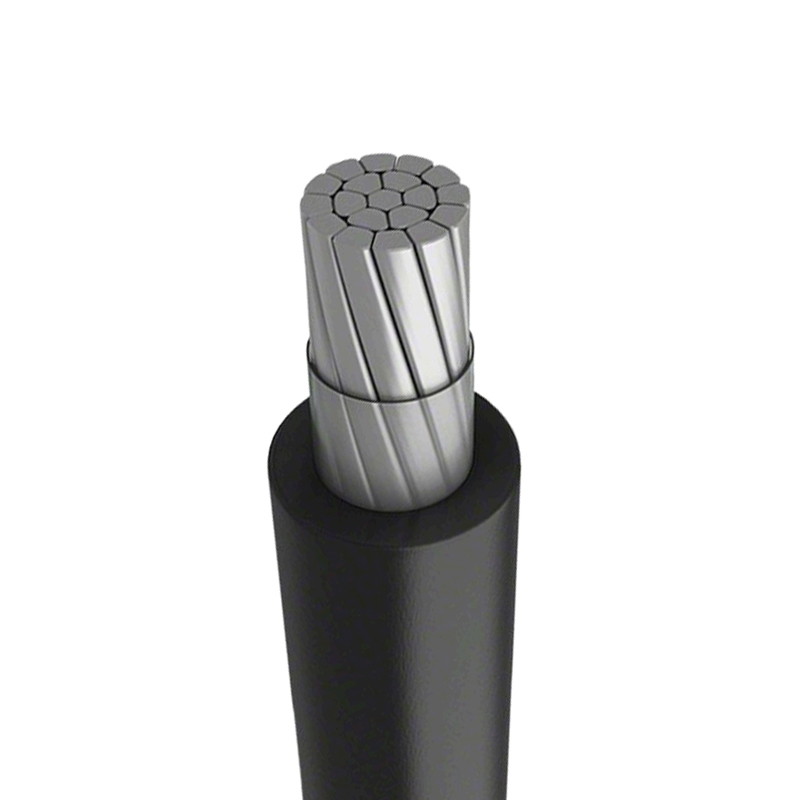
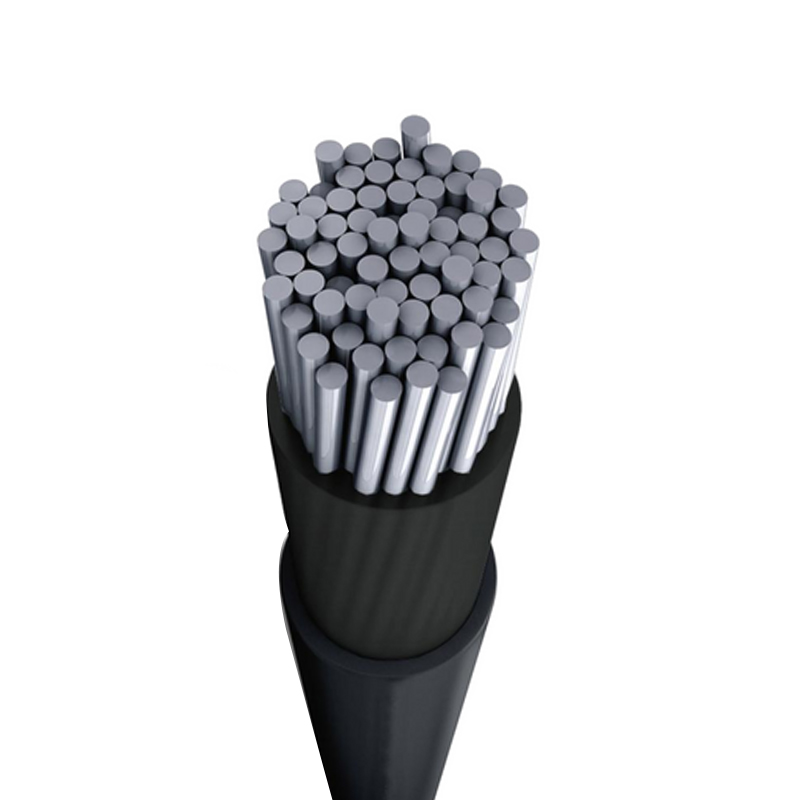
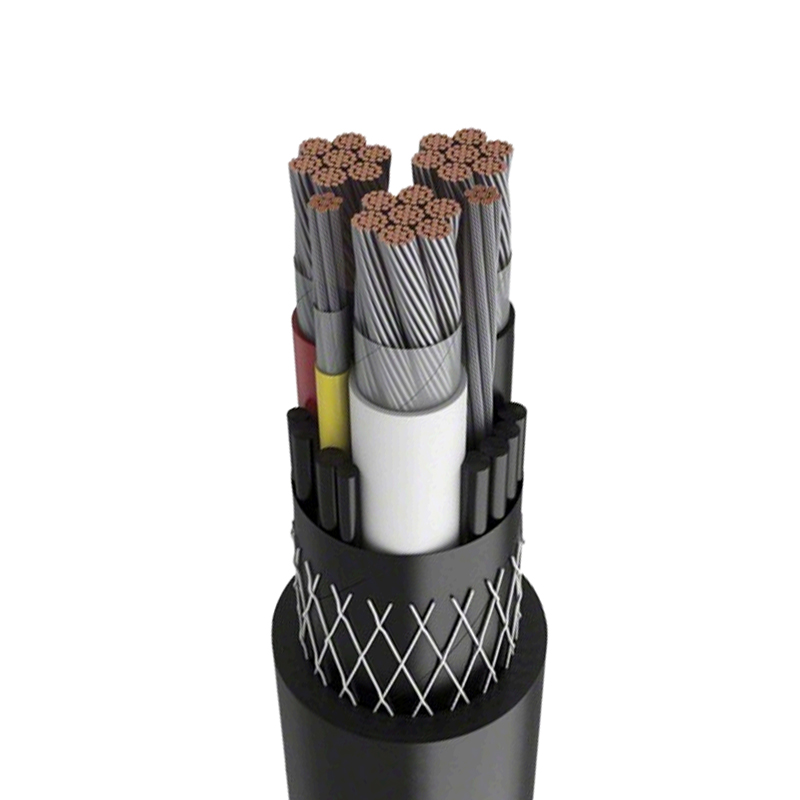
Copper purity and stranding geometry directly influence how efficiently current flows through Solar Cables. High-purity copper minimizes internal resistance, while fine-stranded conductors improve flexibility without sacrificing conductivity. In practical installations, this matters during routing across rooftops or through cable trays, where tighter bends are unavoidable.
Key conductor characteristics to evaluate
- Oxygen-free or high-purity copper to reduce resistive losses
- Fine stranding for mechanical flexibility and consistent contact pressure
- Accurate cross-sectional area to meet current-carrying requirements
From our field experience, undersized conductors remain one of the most common causes of avoidable power loss. Selecting Solar Cables based purely on upfront cost often leads to higher resistance and long-term energy penalties. Engineers who calculate cable size using real operating current and distance—not just nominal ratings—consistently achieve better system yields.
Insulation Technology and Its Role in Long-Term Performance
Modern Solar Cables rely on advanced insulation materials such as cross-linked polyethylene (XLPE) or electron-beam cross-linked compounds. These materials provide thermal stability, UV resistance, and moisture protection while maintaining dielectric strength. Inferior insulation may pass initial commissioning tests but degrade rapidly under prolonged sunlight and temperature cycling.
Thermal performance is particularly critical. As cable temperature rises, resistance increases, directly reducing power transfer efficiency. High-quality insulation dissipates heat more effectively and maintains structural integrity at elevated operating temperatures, helping Solar Cables sustain consistent electrical characteristics across seasonal extremes.
| Insulation Type | Typical Temp Rating | Practical Benefit |
| PVC | 70–90°C | Lower cost, limited outdoor lifespan |
| XLPE | 120–150°C | Better heat tolerance and durability |
| E-beam Crosslinked | Up to 150°C+ | Excellent aging resistance and flexibility |
Voltage Drop: The Hidden Cost Across Long Cable Runs
Voltage drop is often underestimated during system planning. Every meter of Solar Cables adds resistance, and excessive drop reduces inverter input efficiency while stressing system components. Industry best practice typically limits DC voltage drop to 1–2%, yet many projects exceed this due to poor routing or undersized conductors.
Reducing voltage drop involves more than selecting thicker cables. Optimized string layout, centralized combiner placement, and balanced routing paths all contribute. In commercial PV projects, investing in higher-grade Solar Cables frequently allows shorter payback periods by preserving energy output year after year.
Connector Quality and Termination Practices Matter More Than Expected
Even premium Solar Cables cannot compensate for poor termination. Improper crimping, incompatible connectors, or inconsistent contact pressure create localized resistance hotspots. These areas generate heat, accelerate insulation aging, and may lead to intermittent faults that are difficult to diagnose.
Installation practices that reduce losses
- Use manufacturer-approved connectors matched to cable diameter
- Apply calibrated crimping tools for consistent contact force
- Avoid sharp bends and tensile stress near terminations
Field audits repeatedly show that connector-related losses can rival conductor losses in poorly executed installations. Attention to these small details delivers outsized gains in system reliability.
Environmental Resistance and Lifecycle Energy Yield
Solar Cables operate outdoors for decades, facing UV radiation, wind movement, temperature swings, and occasional chemical exposure. High-quality jackets resist cracking and embrittlement, preserving insulation performance and mechanical strength. Over a 25-year project lifecycle, this durability directly affects cumulative energy production.
In coastal or desert environments, additional features such as enhanced UV stabilizers and abrasion-resistant sheathing become essential. Selecting Solar Cables engineered for local conditions reduces maintenance costs while safeguarding output consistency.
Balancing Upfront Cost Against Long-Term Energy Returns
Project budgets often prioritize visible components, yet Solar Cables represent a small percentage of total system cost while influencing every watt delivered. Higher-grade conductors and insulation may add marginally to initial expenditure, but they frequently return that investment through reduced losses and fewer service interventions.
Many EPCs now evaluate cable selection using lifetime energy yield models rather than purchase price alone. This shift reflects growing recognition that cable quality directly impacts financial performance.
Practical Selection Checklist for High-Performance Solar Cables
- Confirm conductor size using actual current and route length
- Choose insulation rated for site temperature extremes
- Verify UV, moisture, and chemical resistance based on environment
- Use compatible connectors and certified termination tools
- Plan routing to minimize unnecessary cable length
These steps help ensure Solar Cables contribute positively to system efficiency rather than becoming an overlooked bottleneck.
Conclusion: Small Components, Measurable Impact
So, can high-quality Solar Cables reduce power loss in PV projects? The evidence from operating systems clearly says yes. Through lower resistance, superior insulation, reliable connectors, and environmental resilience, premium cables preserve more generated energy and protect long-term performance. While they may not attract the same attention as panels or inverters, Solar Cables quietly shape the real-world efficiency of every photovoltaic installation.
For developers and installers focused on maximizing lifecycle returns, treating Solar Cables as strategic components rather than commodities is a practical step toward higher yields and more dependable renewable energy systems.