

 Language
 English
 عربى
عربى
Home / News / Industry News / Why Are XLPE Insulated Power Cables Becoming the Industry Standard for High-Voltage Applications?
Industry News
XLPE (Cross-Linked Polyethylene) insulated power cables have rapidly gained popularity in the power transmission industry, becoming the go-to choice for high-voltage applications. With advancements in electrical infrastructure and the need for more reliable, efficient, and durable solutions, XLPE-insulated power cables offer a range of benefits that make them the preferred option over traditional PVC (Polyvinyl Chloride) cables. This article explores why XLPE cables are becoming the industry standard for high-voltage applications and examines the key factors that contribute to their growing adoption.
Content
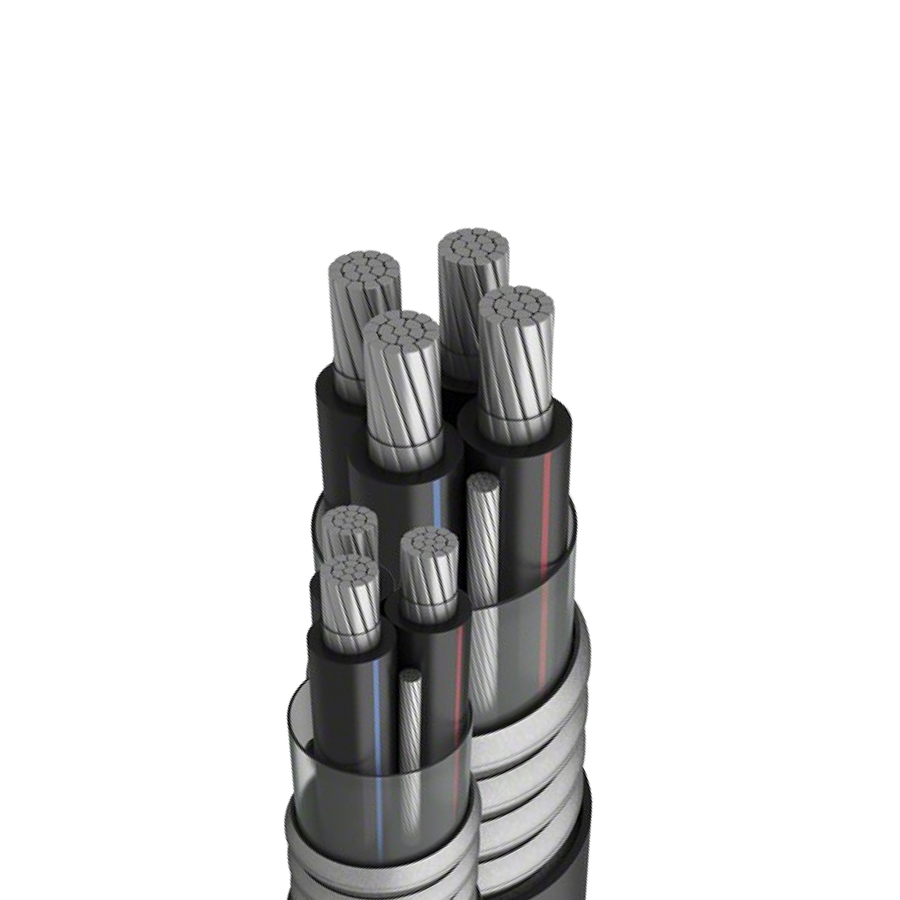
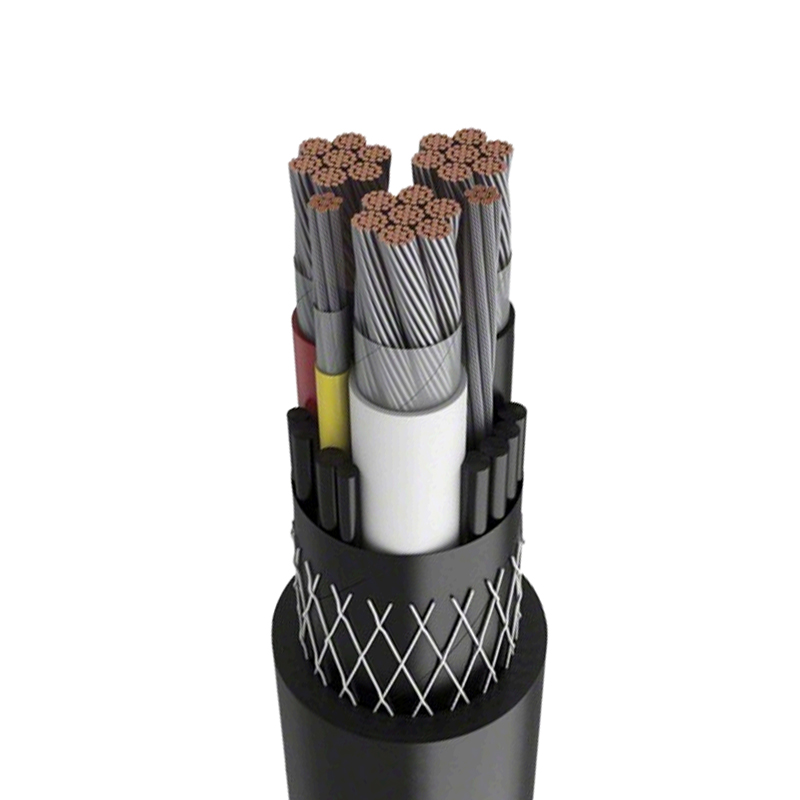
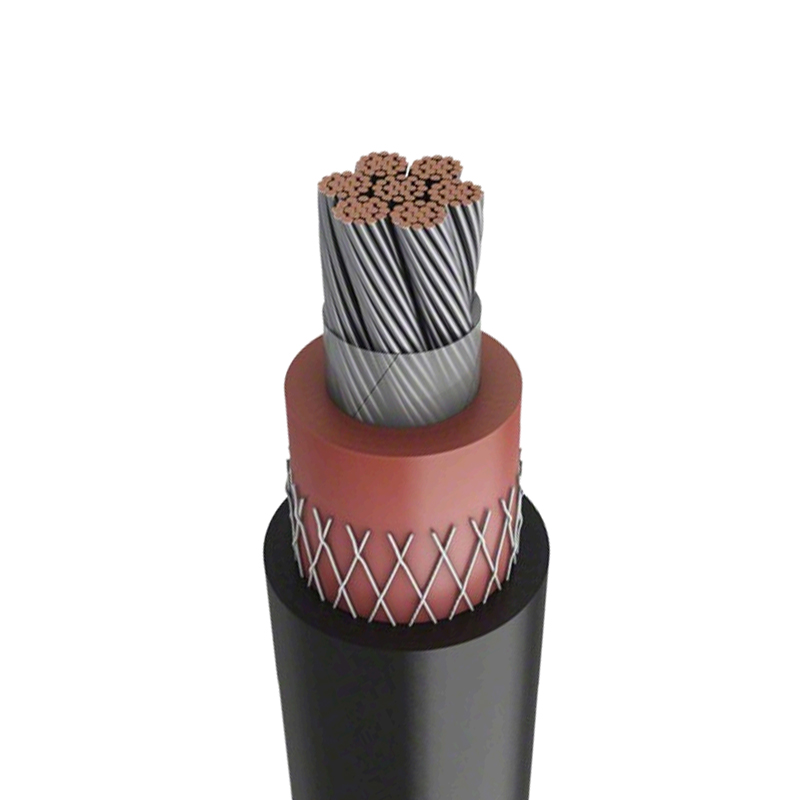
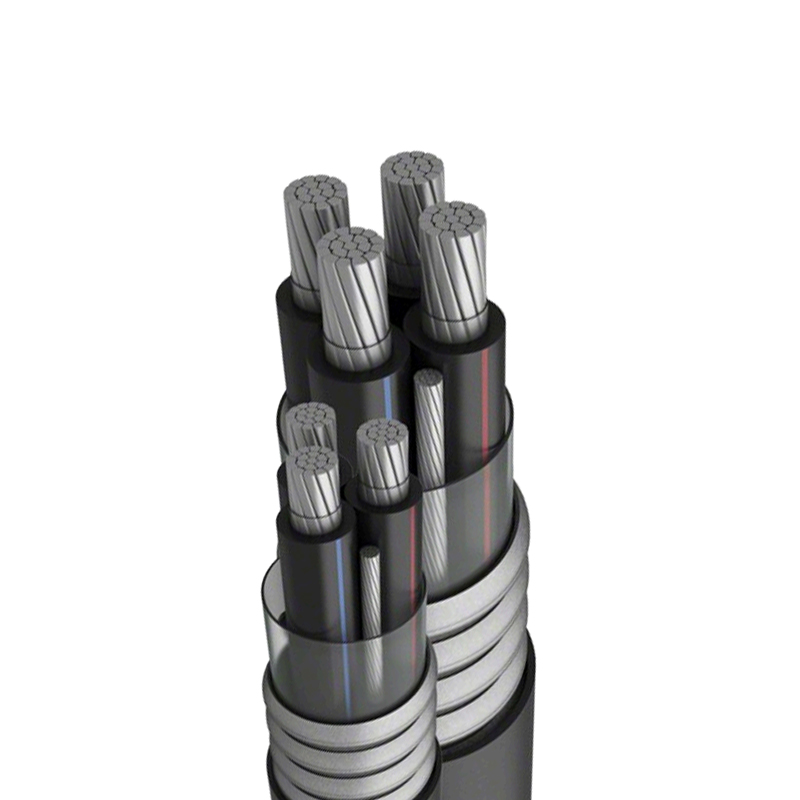
XLPE insulated power cables are designed for use in high-voltage electrical transmission systems. The core of the cable is typically made of copper or aluminum conductors, while the insulation is made of cross-linked polyethylene. The cross-linking process enhances the properties of polyethylene, making it more heat-resistant, durable, and resistant to chemical degradation. XLPE cables are widely used in various power distribution applications, including underground power systems, electrical substations, and renewable energy projects.
The adoption of XLPE-insulated cables has been driven by their superior performance in high-voltage environments. These cables can handle higher temperatures, provide better insulation properties, and improve overall energy efficiency. As a result, they are often used for long-distance transmission of power and in applications requiring a high level of reliability.
The rising popularity of XLPE-insulated power cables can be attributed to several key benefits that set them apart from other types of cables, especially in high-voltage applications:
XLPE-insulated power cables are widely used in various sectors of the power industry due to their ability to handle high-voltage, long-distance transmission efficiently. Some common applications include:
The combination of superior thermal resistance, enhanced durability, and improved energy efficiency has made XLPE-insulated power cables the preferred choice for high-voltage applications in the power industry. These factors contribute to the growing shift from traditional PVC cables to XLPE cables in power transmission and distribution systems worldwide.
In addition to their technical advantages, XLPE cables offer economic benefits. Their longer lifespan and reduced need for maintenance lead to lower operational costs over time. Furthermore, XLPE cables' ability to withstand environmental stress reduces the likelihood of failures, contributing to enhanced system reliability and reduced downtime.
XLPE insulated power cables are fast becoming the industry standard for high-voltage applications due to their impressive range of benefits. Their superior performance in extreme temperatures, high reliability, long lifespan, and energy efficiency make them the ideal choice for power transmission systems, especially in critical infrastructure. As the demand for more reliable and efficient electrical systems continues to grow, XLPE cables will play a crucial role in powering the future.




Copyright © 2025 Wuxi Sanxin Cable Co., Ltd.
All Rights Reserved.
High Voltage Power Cables Manufacturers
Low Voltage Power Cables Factory
