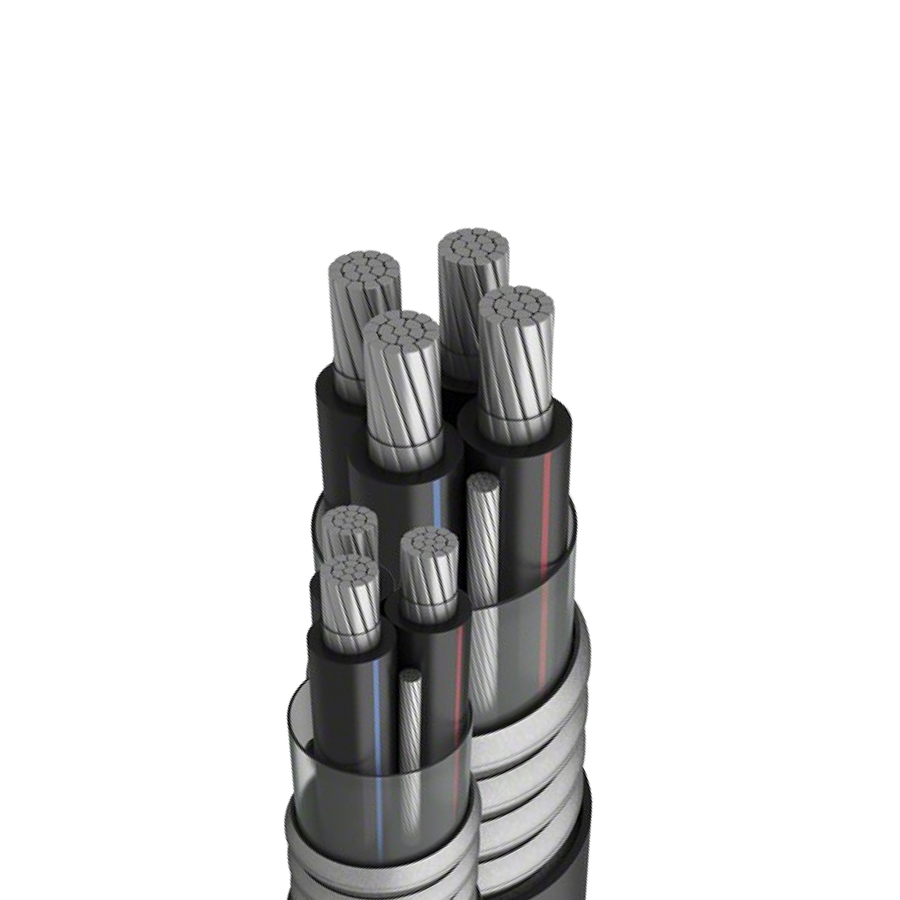
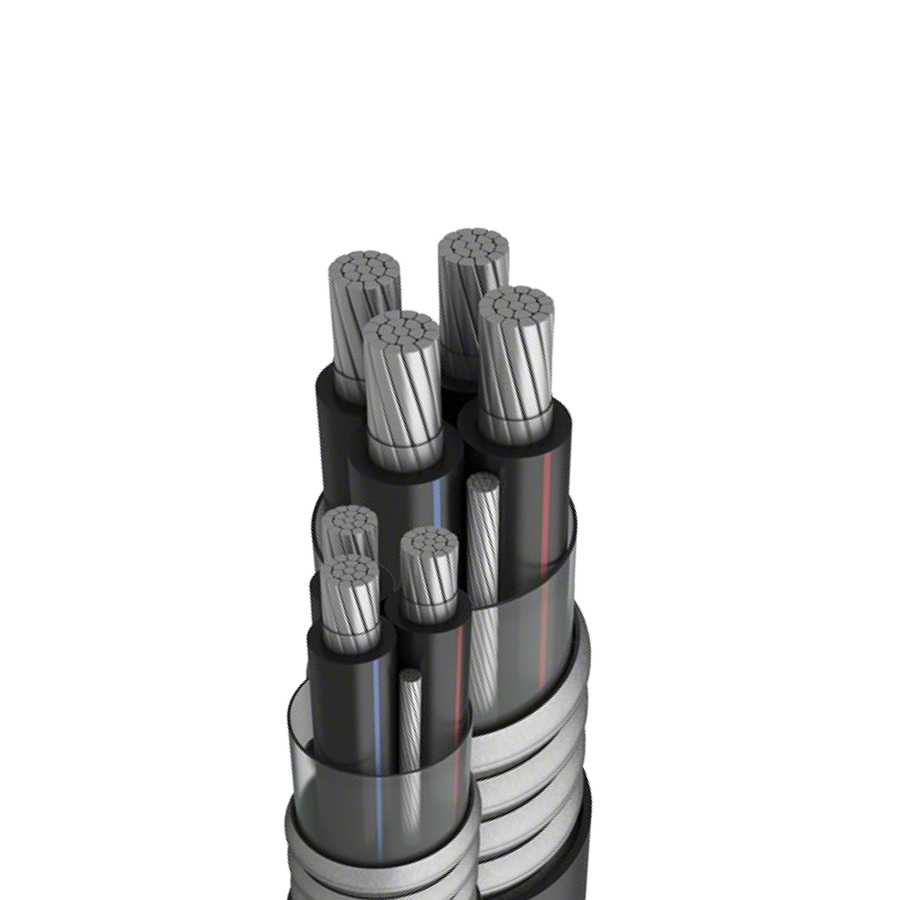
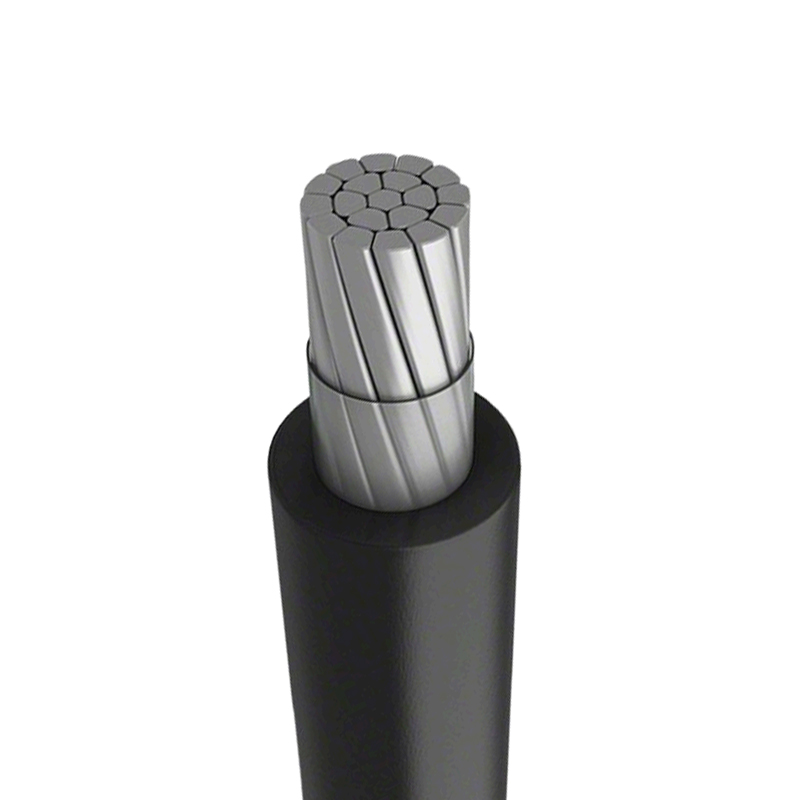
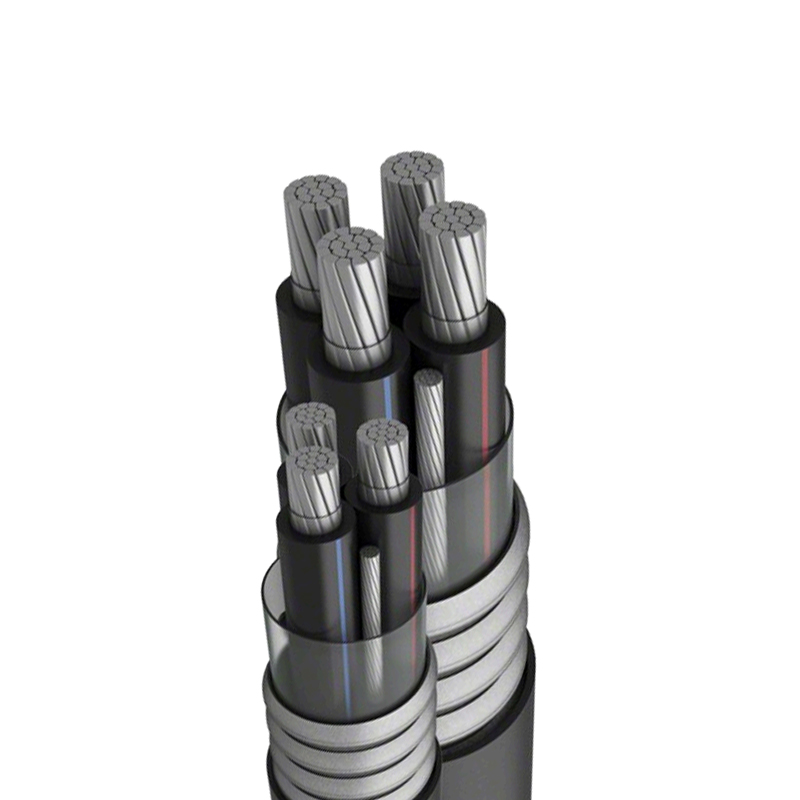
In the modern world, sustainability is a key concern for industries across the globe. As the world moves toward cleaner energy and greener technologies, the demand for more eco-friendly materials in electrical systems has surged. One such material gaining prominence is aluminum alloy, particularly in the form of single core aluminum alloy cables. These cables have become a central component in the pursuit of more sustainable electrical solutions, owing to their unique combination of performance, cost-efficiency, and environmental benefits.
What Are Single Core Aluminum Alloy Cables?
Single core aluminum alloy cables are electrical cables made from aluminum alloy conductors, typically consisting of a single wire strand. The alloying of aluminum with other elements such as magnesium and silicon improves its mechanical and electrical properties compared to pure aluminum. These cables are commonly used in power transmission and distribution, offering a lighter, more flexible alternative to traditional copper cables.
Aluminum alloy cables offer several advantages over traditional copper wires, including lower cost, reduced weight, and better performance in certain applications. While they may not possess the same electrical conductivity as copper, their performance in most power systems is more than adequate, making them an attractive choice for sustainable solutions.
Key Benefits of Single Core Aluminum Alloy Cables
Single core aluminum alloy cables are a sustainable choice for several reasons. Their material properties and energy efficiency contribute significantly to reducing the environmental impact of electrical systems. Some of the key benefits include:
- Lower Carbon Footprint: The production of aluminum alloys requires less energy compared to copper, making aluminum alloy cables a more sustainable alternative. Additionally, aluminum is abundant and easier to recycle, reducing the environmental impact associated with raw material extraction and waste.
- Reduced Weight and Material Usage: One of the primary advantages of single core aluminum alloy cables is their reduced weight compared to copper cables. This weight reduction lowers transportation and installation costs, as well as the environmental impact of the manufacturing process. Moreover, aluminum alloys can be designed to provide similar strength to copper while using less material, further enhancing their sustainability.
- Energy Efficiency: Single core aluminum alloy cables offer low resistance and high conductivity, ensuring minimal energy loss during power transmission. This high efficiency helps reduce energy waste and lower the carbon footprint of power systems. The more efficient transmission of electricity also contributes to sustainable grid systems and renewable energy integration.
- Durability and Longevity: The corrosion-resistant properties of aluminum alloy cables make them ideal for use in harsh environments. With proper insulation and protection, these cables can last for decades without degradation, reducing the need for frequent replacements and minimizing waste.
- Cost-Effectiveness: Aluminum alloy cables are generally more affordable than copper cables, making them an attractive option for both large-scale projects and cost-conscious consumers. This lower cost means that sustainable electrical systems become more accessible, helping accelerate the adoption of green technologies.
Applications of Single Core Aluminum Alloy Cables in Sustainable Solutions
The versatility and environmental benefits of single core aluminum alloy cables make them an ideal choice for a wide range of applications in power transmission and distribution. Below are some key areas where these cables contribute to sustainable electrical solutions:
- Renewable Energy Integration: As the world increasingly turns to renewable energy sources such as wind and solar power, the need for reliable and efficient electrical infrastructure grows. Single core aluminum alloy cables are used to connect renewable energy systems to the grid, providing an efficient and cost-effective solution for transmitting electricity generated by solar panels, wind turbines, and other renewable sources.
- Smart Grids: The shift toward smart grids, which enable more efficient, flexible, and responsive energy distribution, is accelerating. Single core aluminum alloy cables are well-suited for smart grid applications, where their energy efficiency and ability to handle high loads without excessive heat are crucial for managing dynamic energy flows and integrating distributed generation sources.
- Electric Vehicles (EV) Charging Infrastructure: The growing adoption of electric vehicles (EVs) requires the expansion of charging networks. Aluminum alloy cables are used in the installation of EV charging stations, offering a sustainable, lightweight, and cost-effective solution for supporting the electrification of transportation.
- Underground Power Systems: Due to their lightweight and flexible design, single core aluminum alloy cables are ideal for use in underground power systems. These systems are critical for reducing the environmental impact of overhead power lines and are often used in densely populated urban areas, as well as in environmentally sensitive locations.
How Single Core Aluminum Alloy Cables Help Achieve Sustainable Goals
As countries and industries push to meet sustainability targets and reduce carbon emissions, the role of single core aluminum alloy cables becomes even more important. These cables help achieve several key sustainability goals, including:
- Reduction in Carbon Emissions: By improving the efficiency of power transmission and using less energy in production, aluminum alloy cables contribute to the overall reduction of carbon emissions in the power sector.
- Resource Efficiency: Aluminum alloy cables utilize abundant and recyclable materials, reducing the strain on scarce resources like copper. This contributes to more sustainable resource management in the electrical industry.
- Longer Lifespan: The durability and corrosion resistance of aluminum alloy cables ensure that they last longer without the need for frequent replacements. This reduces the overall environmental impact of manufacturing and waste disposal.
Conclusion
Single core aluminum alloy cables play a critical role in advancing sustainable electrical solutions. Their combination of energy efficiency, cost-effectiveness, and environmental benefits make them a preferred choice for modern power transmission and distribution systems. As industries continue to prioritize sustainability, the adoption of aluminum alloy cables will only increase, helping to build a more sustainable, efficient, and eco-friendly electrical infrastructure for the future.


 Language
 English
 عربى
عربى