

 Language
 English
 عربى
عربى
Home / News / Industry News / Which Solar Cables Perform Best in Extreme Heat, UV Exposure, and Outdoor Environments?
Industry News
Content
Solar Cables are essential components in photovoltaic power systems, responsible for transmitting electrical energy safely and efficiently between solar panels, inverters, and other system components. Unlike conventional wiring, Solar PV Cable solutions must operate continuously in challenging outdoor environments where extreme heat, ultraviolet (UV) radiation, humidity, and mechanical stress are common. Poor cable performance can lead to insulation degradation, energy losses, and even safety hazards such as electrical faults or fire risks.
Selecting high-quality TÜV Solar Cables or TUV Approved Solar Cables ensures compliance with strict international standards and provides confidence that the cables can withstand harsh conditions over long service lifespans. Because solar installations are expected to operate for 20 to 30 years, cable durability and environmental resistance are critical factors influencing system reliability and maintenance costs.
Outdoor solar installations expose Solar Cables to multiple environmental stressors simultaneously. High ambient temperatures combined with solar radiation can significantly increase conductor temperatures beyond rated levels. UV exposure gradually breaks down polymer insulation materials, while moisture and humidity can penetrate poorly designed cable structures, leading to corrosion or insulation failure.
TUV Approved Solar Cables are specifically engineered to resist these environmental stresses through advanced insulation materials, robust sheathing, and specialized conductor designs.
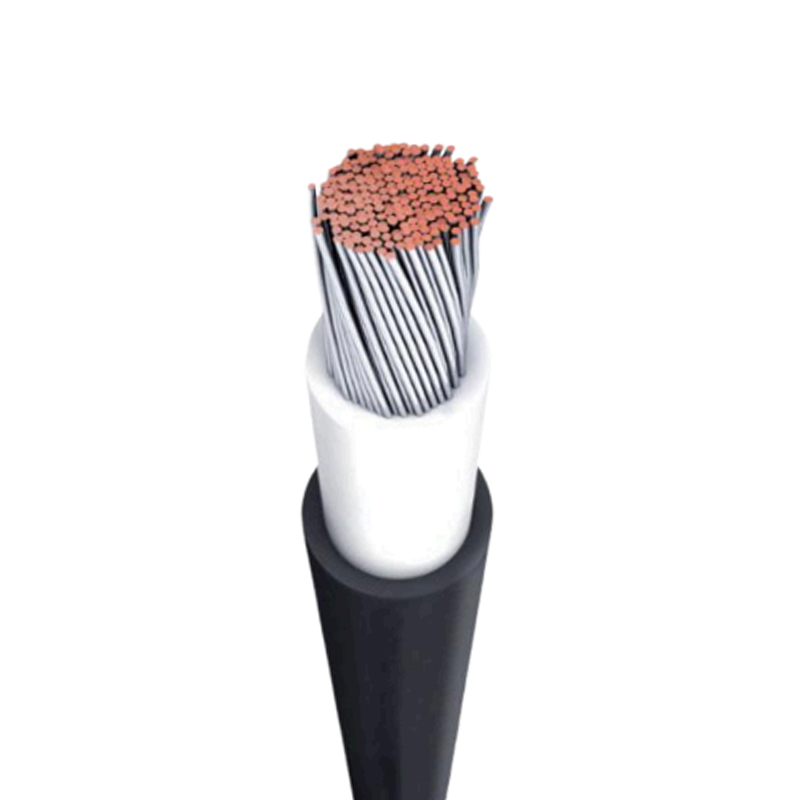
The materials used in Solar PV Cable construction directly determine performance under extreme environmental conditions. Cross-linked polyethylene (XLPE) and electron-beam cross-linked insulation materials are commonly used because they provide excellent thermal stability, UV resistance, and mechanical strength. These materials maintain flexibility even under temperature fluctuations, reducing the risk of cracking or deformation.
High-quality TÜV Solar Cables often incorporate tinned copper conductors, which improve corrosion resistance and electrical conductivity over time. Double-layer insulation designs further enhance protection against environmental exposure, making them suitable for long-term outdoor installations.
| Material Component | Advantages | Limitations | Best Application |
| XLPE Insulation | High temperature resistance, durability | Higher manufacturing cost | Utility-scale solar farms |
| Rubber Compounds | Flexibility and weather resistance | Moderate thermal limits | Residential installations |
| Tinned Copper Conductors | Corrosion resistance, long lifespan | Higher cost than bare copper | Coastal or humid environments |
Temperature tolerance is one of the most important factors when selecting Solar Cables for extreme heat environments. High-performance Solar PV Cable products are typically rated for continuous operation at temperatures up to 90°C or higher, with short-term overload capabilities exceeding 120°C. In desert or tropical climates, cable surface temperatures can rise significantly above ambient air temperatures due to solar radiation.
TUV Approved Solar Cables undergo rigorous thermal aging tests to ensure insulation integrity over extended periods. Choosing cables with higher temperature margins reduces degradation risks and improves overall system longevity.
UV resistance is critical for outdoor solar installations because prolonged sun exposure can cause insulation cracking, discoloration, and brittleness. High-quality TÜV Solar Cables use UV-stabilized compounds and specialized additives to prevent material breakdown. These materials maintain flexibility and structural integrity even after years of exposure.
Weather protection also includes resistance to ozone, moisture ingress, and temperature cycling. Double-insulated Solar Cables with halogen-free sheathing provide enhanced protection while reducing environmental impact and improving fire safety performance.
Mechanical durability is often overlooked but plays a major role in cable longevity. Solar installations experience movement caused by wind, thermal expansion, and installation stress. Solar PV Cable designs must provide flexibility while maintaining mechanical strength to prevent conductor damage or insulation failure.
Abrasion-resistant outer sheaths and reinforced insulation layers help protect cables during installation and operation. In large solar farms, cables may be routed underground or through cable trays, requiring additional mechanical protection such as armoring or conduit systems.
Certification is a key indicator of cable quality and reliability. TÜV Solar Cables and TUV Approved Solar Cables meet internationally recognized standards for safety, environmental resistance, and electrical performance. These certifications involve extensive testing for UV resistance, temperature endurance, flame retardancy, and mechanical durability.
Using certified Solar Cables reduces risks associated with premature failure and ensures compliance with regulatory requirements. For commercial and utility-scale installations, certification is often mandatory for project approval and insurance coverage.
Selecting the best Solar Cables for extreme outdoor environments requires a structured evaluation process that considers both technical performance and installation conditions. Engineers and installers should assess environmental risks, electrical requirements, and long-term maintenance considerations.
The best Solar Cables for extreme heat, UV exposure, and outdoor environments are those specifically engineered for durability, thermal stability, and environmental resistance. TÜV Solar Cables and TUV Approved Solar Cables provide proven reliability through certified testing and advanced material technologies, making them ideal choices for demanding solar installations.
By carefully evaluating temperature ratings, UV resistance, mechanical durability, and certification standards, engineers and installers can select Solar PV Cable solutions that ensure long-term system performance and safety. Investing in high-quality cables not only protects electrical infrastructure but also maximizes the efficiency and lifespan of solar energy systems in challenging environmental conditions.




Copyright © 2025 Wuxi Sanxin Cable Co., Ltd.
All Rights Reserved.
High Voltage Power Cables Manufacturers
Low Voltage Power Cables Factory
