

 Language
 English
 عربى
عربى
Home / News / Industry News / Is Aluminium Solar Cable a Viable Alternative to Copper for Utility-Scale PV?
Industry News
Content
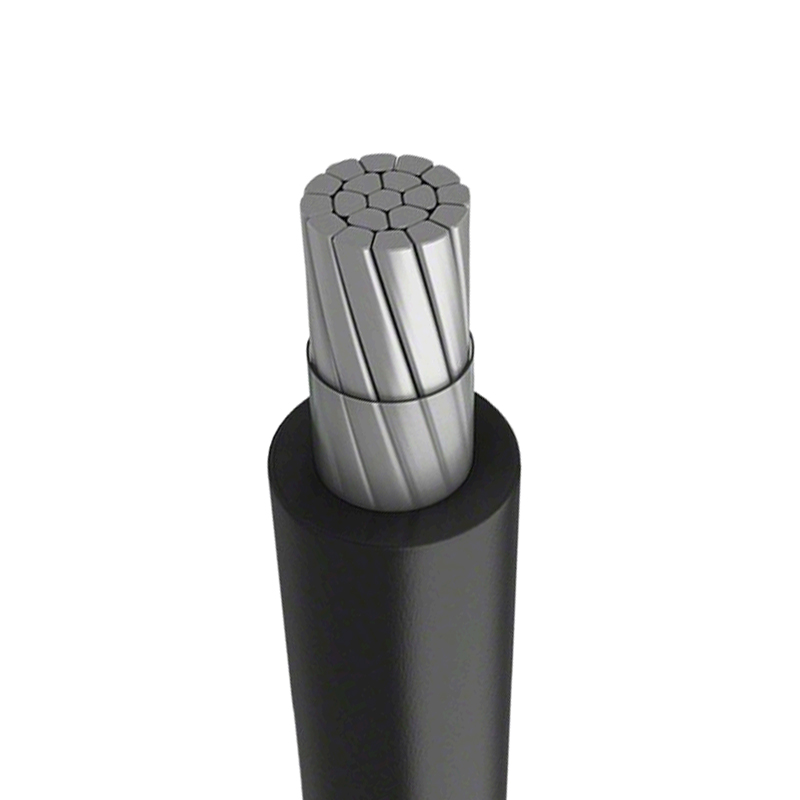
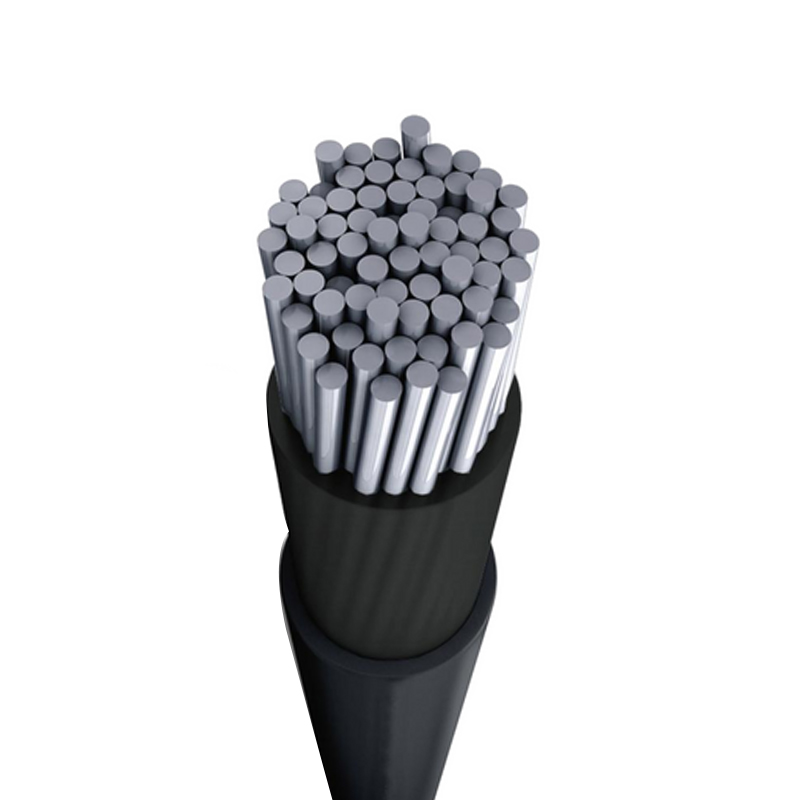
As utility-scale photovoltaic projects grow in size and complexity, the cost of balance-of-system components has come under intense scrutiny. Among these, DC cabling represents a significant portion of total project expenditure. For decades, copper has been the default conductor material in solar installations, valued for its high conductivity, flexibility, and well-understood performance characteristics. However, rising copper prices and advances in aluminium cable technology have prompted engineers and procurement teams to take a fresh look at aluminium solar cable as a credible alternative — particularly for large ground-mounted PV arrays where cable runs can extend over hundreds of metres.
This article examines the technical, economic, and practical dimensions of switching to aluminium solar cable in utility-scale systems, giving project developers the information they need to make an informed choice.
The most commonly cited drawback of aluminium solar cable is its lower electrical conductivity compared to copper. Aluminium has a conductivity of approximately 61% of the International Annealed Copper Standard (IACS), meaning that to carry the same current as a copper conductor, an aluminium conductor must have a larger cross-sectional area — typically 1.5 to 1.6 times greater. In practical terms, a 35 mm² aluminium cable is roughly equivalent in ampacity to a 25 mm² copper cable.
This size difference has real consequences for conduit fill, cable tray capacity, and connector compatibility. However, for utility-scale DC string cables or inter-row feeder cables where long straight runs are common and space constraints are less critical than in rooftop installations, the larger cross-section is generally manageable. The key is accurate system design from the outset, using proper voltage drop calculations that account for aluminium's resistivity.
The primary motivation for specifying aluminium solar cable is cost. Aluminium is significantly cheaper than copper both as a raw material and in fabricated cable form. On a per-kilogram basis, aluminium typically costs 60–70% less than copper. Even accounting for the need to upsize the conductor, the overall cable cost for an aluminium alternative is often 30–40% lower than an equivalent copper solution.
For a utility-scale PV plant requiring several hundred kilometres of DC cabling, this difference can translate into savings of hundreds of thousands of dollars. The table below illustrates a simplified cost comparison for a representative feeder cable application:
| Parameter | Copper Cable (25 mm²) | Aluminium Solar Cable (35 mm²) |
| Approx. Ampacity | 130 A | 125–130 A |
| Cable Weight (per metre) | ~220 g | ~115 g |
| Relative Material Cost | High | ~35–40% lower |
| Connector Compatibility | Standard MC4 | Aluminium-rated connectors required |
Beyond cable material costs, aluminium's lower density also reduces transportation and handling expenses — a meaningful advantage when moving large cable drums across expansive project sites.
Aluminium solar cable does introduce engineering challenges that must be carefully managed. Ignoring these risks leads to connection failures, increased resistance, and potential fire hazards. The most critical issues include:
Not all aluminium cables are suitable for photovoltaic applications. Utility-scale projects require cables that meet recognised PV-specific standards to ensure long-term performance under harsh outdoor conditions, including UV exposure, temperature extremes, and mechanical stress. Relevant certifications to look for include:
Procurement teams should verify that any aluminium solar cable product carries the appropriate certifications for the project's jurisdiction and that documentation is available for inspection by the authority having jurisdiction (AHJ) or lender's engineer.
Aluminium solar cable is not universally superior, but it excels in specific scenarios. Understanding where it adds the most value helps project teams deploy it strategically rather than as a blanket substitution.
These medium-voltage DC feeder cables often span long distances in utility-scale plants. The combination of high current capacity requirements, long runs, and accessible routing in cable trays makes this an ideal application for aluminium. The cost savings are maximised, while the installation conditions allow for the larger conductor size without difficulty.
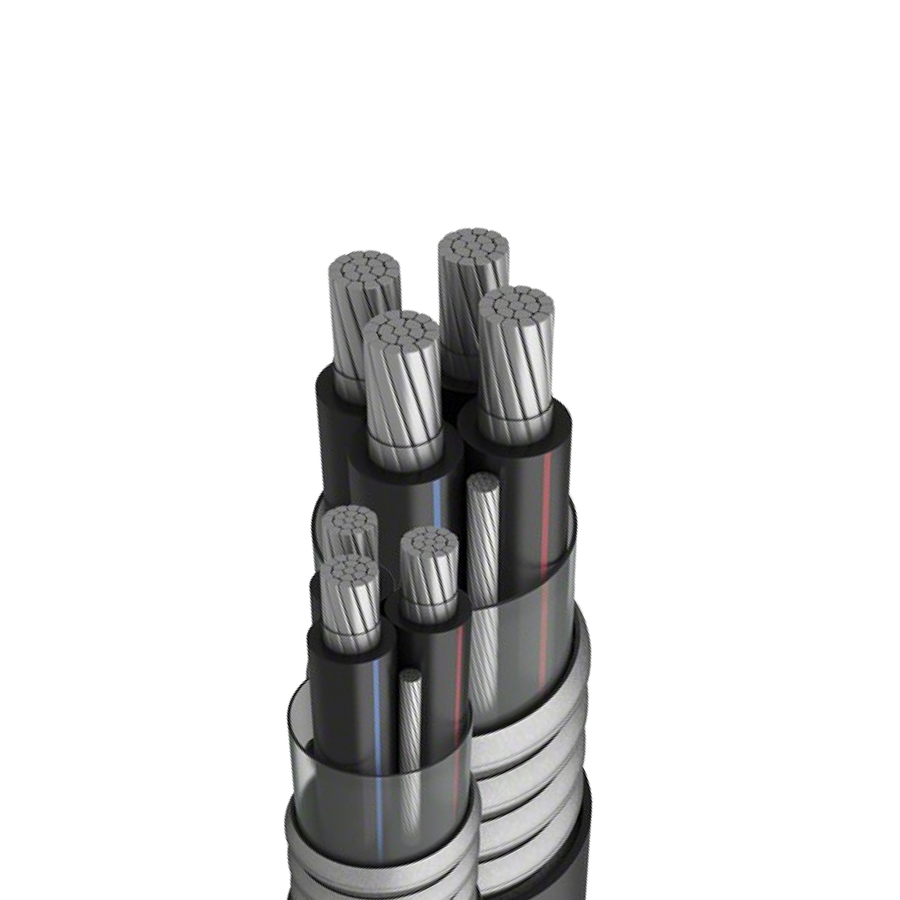
On the AC side of the plant, from inverters to the medium-voltage transformer, aluminium has an even longer history of use in power distribution. Utility-grade aluminium AC cables are well-established, and the transition to using aluminium solar cable on the DC side represents a natural extension of existing procurement and installation practices.
For short string cables between solar modules and combiner boxes — where flexibility, small connector sizes, and ease of installation in tight spaces are priorities — copper remains the better choice. The cost differential is smaller at shorter cable lengths, and the practical handling advantages of copper are more pronounced at the module level.
Aluminium solar cable is a genuinely viable alternative to copper for utility-scale PV projects, provided it is specified, procured, and installed correctly. The cost savings are substantial and well-documented, and modern aluminium cable technology has addressed many of the reliability concerns that historically discouraged its use in solar applications. The keys to success are selecting certified products, using aluminium-compatible connectors and termination hardware, training installation teams on correct handling practices, and designing the system from the start with aluminium's electrical characteristics in mind.
For developers and EPC contractors working on large ground-mounted PV plants, a hybrid cabling strategy — aluminium for long feeder runs, copper for short string cables — often delivers the optimal balance of cost efficiency and installation practicality. As the solar industry continues to drive down the levelised cost of energy, aluminium solar cable deserves a prominent place in the procurement toolkit.



Copyright © 2025 Wuxi Sanxin Cable Co., Ltd.
All Rights Reserved.
High Voltage Power Cables Manufacturers
Low Voltage Power Cables Factory
