

 Language
 English
 عربى
عربى
Home / News / Industry News / Single Core vs Multi-Core Aluminum Alloy Cables: Which One Does Your Project Really Need?
Industry News
Content
Aluminum alloy cables represent a fundamental shift in conductor technology. By introducing trace elements — primarily iron, copper, magnesium, and manganese — into the aluminum base, manufacturers achieve a material that resolves the most persistent weaknesses of traditional pure aluminum conductors while preserving their most valuable advantage: low weight.
Pure aluminum has long been used as a cost-effective alternative to copper in power distribution. However, it comes with well-documented problems: susceptibility to cold flow under sustained mechanical pressure, creep deformation over time at connection points, and relatively low tensile strength. Each of these issues creates real-world risks — particularly loose terminations that can lead to overheating, arcing, and fire.
Aluminum alloy cables address all three issues simultaneously. The addition of iron refines the grain structure and significantly improves tensile strength. Magnesium and manganese contribute to creep resistance, ensuring that connection points remain tight and stable across decades of service. Copper improves conductivity and corrosion resistance. The result is a conductor that behaves reliably under the mechanical and thermal stresses of real electrical installations — without the cost and weight penalty of copper.
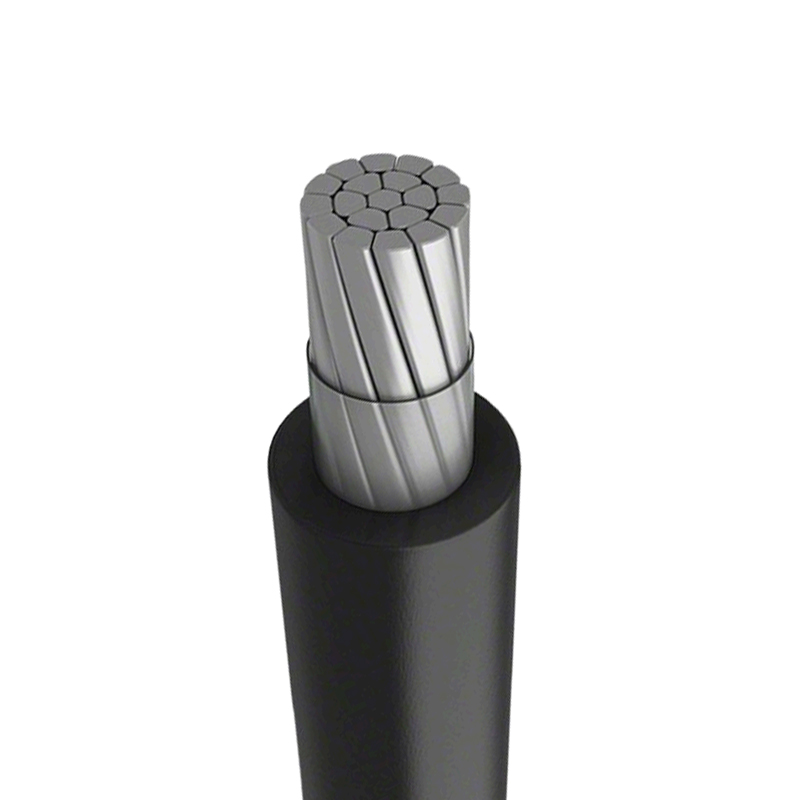
Single core aluminum alloy cables consist of a single conductor — either solid or stranded — surrounded by an insulation layer, and in many configurations, an additional sheath or armor. Their straightforward construction makes them exceptionally versatile for high-current, point-to-point power distribution where each phase is run independently.
One practical advantage of single core cables in high-ampacity runs is thermal management. Running each conductor separately allows heat to dissipate more effectively compared to bundled configurations. For installations requiring current ratings above 400A, single core aluminum alloy cables are frequently the preferred engineering solution. Their enhanced elongation properties — substantially higher than pure aluminum — also mean that during installation around bends and through conduits, the conductor can flex without micro-cracking, which is a failure mode that can develop invisibly over time in less ductile materials.
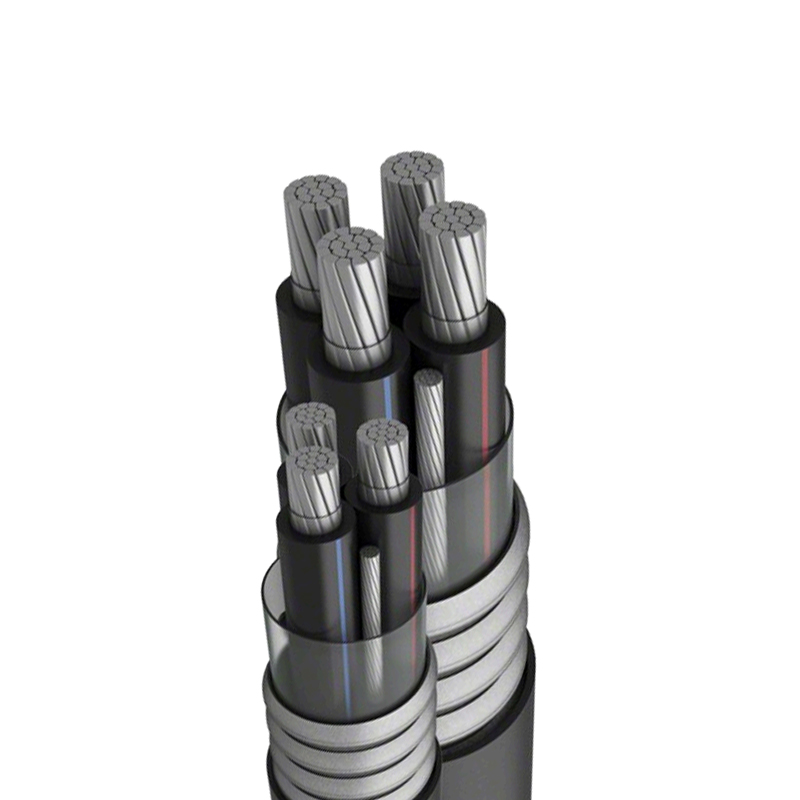
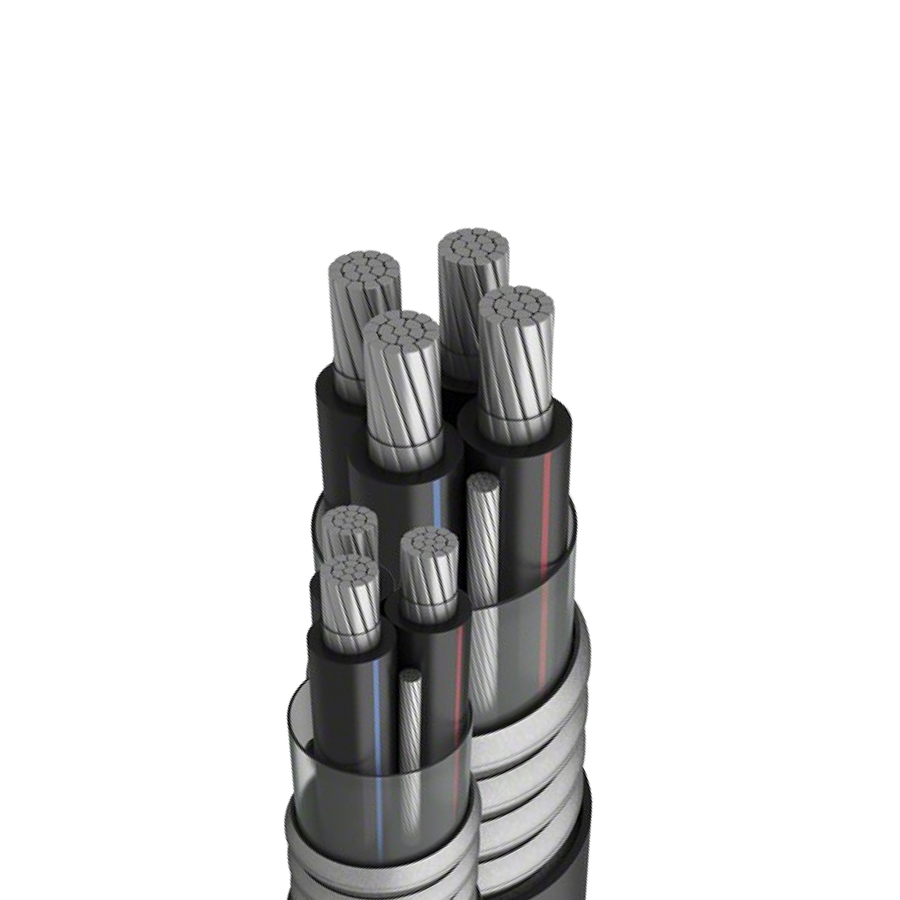
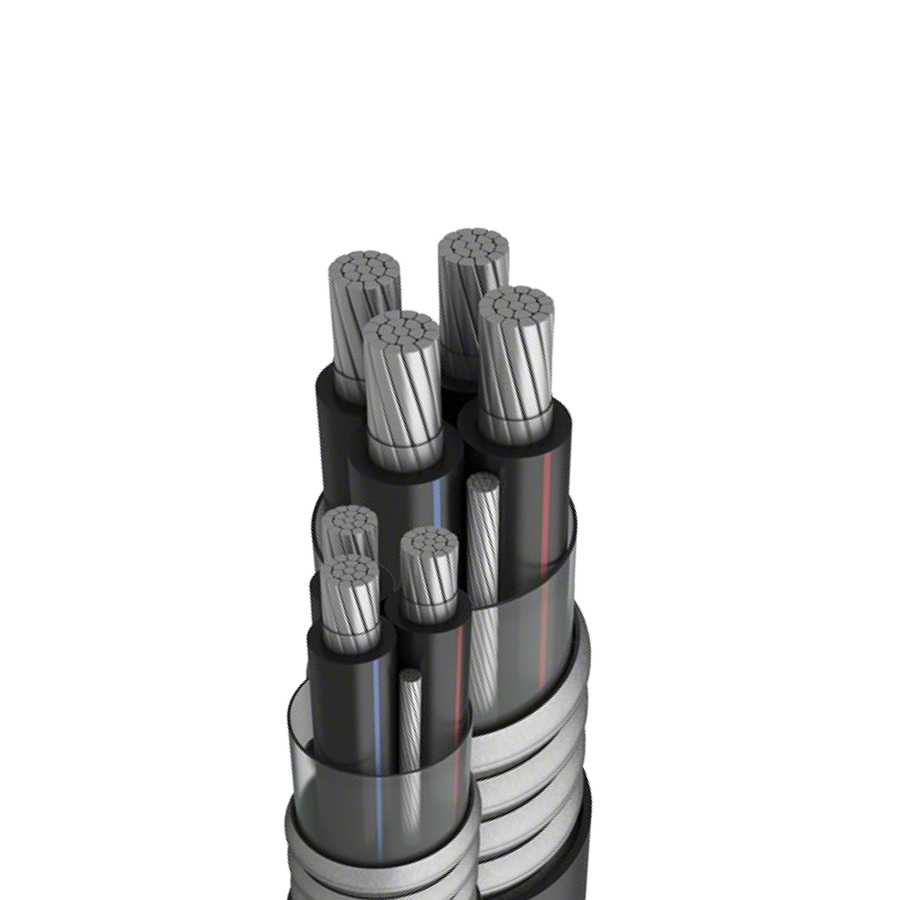
Multi-core aluminum alloy cables bundle two or more insulated conductors within a common outer sheath. This integrated design simplifies installation significantly: a single cable run replaces multiple individual conductors, reducing labor hours, conduit fill calculations, and the risk of wiring errors on-site.
| Configuration | Typical Application | Notes |
|---|---|---|
| 2-Core | Single-phase circuits, lighting | Live + neutral |
| 3-Core | Three-phase systems without neutral | Industrial motors, balanced loads |
| 3.5-Core / 4-Core | Three-phase with neutral | Most common in commercial distribution |
| 5-Core | Three-phase with neutral and earth | Full TN-S wiring systems |
Multi-core aluminum alloy cables are widely used in building wiring, infrastructure projects, and industrial distribution panels. Their compact format is especially valuable in retrofit scenarios, where existing conduit or cable tray space is limited. The alloy construction ensures that even with the conductors bundled together — which restricts individual heat dissipation — the cable maintains safe operating temperatures within standard derating guidelines due to improved material stability.
The performance gap between aluminum alloy cables and traditional pure aluminum cables is significant enough to affect both installation outcomes and long-term operational safety. The following improvements are particularly relevant for specifying engineers and procurement teams:
Creep — the slow, permanent deformation of a material under sustained load — is one of the most dangerous properties of pure aluminum in electrical applications. Over time, pure aluminum conductors deform at terminal connection points, reducing contact pressure and increasing resistance. This generates heat, which accelerates further deformation, eventually causing loose connections, arcing, and potential fire. Aluminum alloy cables effectively suppress creep, maintaining stable clamping force at terminals across the cable's entire service life.
The tensile strength of aluminum alloy conductors is substantially higher than that of pure aluminum, typically by 30–50% depending on the specific alloy grade. More importantly, elongation at break — a measure of how far a material can stretch before fracturing — is also significantly improved. This combination means the cables can handle installation stresses, vibration, and thermal expansion cycles over decades without mechanical failure.
Despite the enhanced mechanical performance, aluminum alloy cables weigh approximately half as much as equivalent copper cables of the same current-carrying capacity. On large infrastructure projects — where cable runs may extend hundreds or thousands of meters — this weight reduction directly lowers structural load requirements for cable trays and support systems, reduces crane and lifting costs, and makes manual handling safer and faster for installation crews.
Choosing between single core aluminum alloy cables and multi-core aluminum alloy cables depends on several project-specific factors. Neither configuration is universally superior — the right choice depends on current rating, installation environment, routing complexity, and total installed cost.
In practice, large-scale infrastructure projects often use both types within a single system — single core aluminum alloy cables for main feeder sections and multi-core aluminum alloy cables for final sub-distribution circuits. The alloy material's consistent performance characteristics make this hybrid approach straightforward to engineer and safe to implement.
To fully realize the safety and longevity benefits of aluminum alloy cables, correct installation practice is essential. The alloy material's superior mechanical properties reduce installation risk, but terminal connections still require attention to detail.
When these practices are followed, both single core and multi-core aluminum alloy cables deliver service lives well in excess of 40 years — comparable to copper alternatives at a substantially lower installed cost and structural load.




Copyright © 2025 Wuxi Sanxin Cable Co., Ltd.
All Rights Reserved.
High Voltage Power Cables Manufacturers
Low Voltage Power Cables Factory
