
 Language
 English
 عربى
عربىIndustry News
Content
- 1 What Makes Solar PV Cable Different from Standard Cable
- 2 Key International Standards Governing Solar Cables
- 3 How to Select the Right Solar PV Cable Size
- 4 Verifying TUV Approved Solar Cables Before Purchase
- 5 Installation Best Practices for Solar PV Cable
- 6 Long-Term Performance and Maintenance Considerations
What Makes Solar PV Cable Different from Standard Cable
Solar PV cable is an entirely different category of conductor compared to ordinary electrical wiring. It is engineered from the ground up to survive decades of continuous outdoor exposure in some of the harshest conditions on earth. A standard building wire may degrade within a few years when exposed to prolonged UV radiation, temperature cycling, and moisture. Solar cables, by contrast, are built to maintain their insulation integrity and conductivity for 25 years or more — matching the operational lifespan of the solar modules they connect.
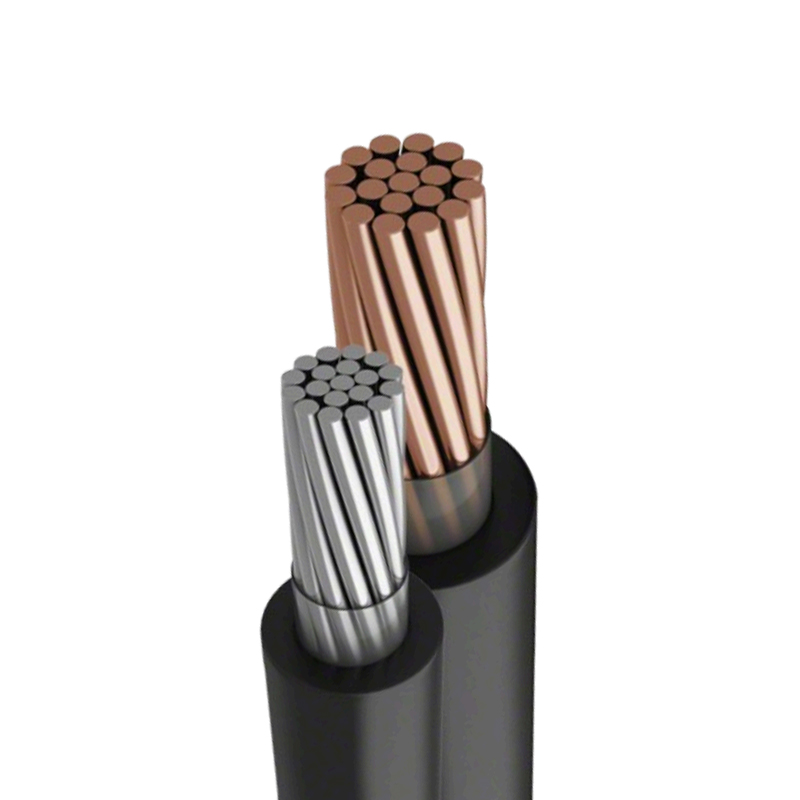
The core of a solar PV cable is typically composed of tinned or bare annealed copper strands. Stranded construction is preferred over solid wire because it delivers superior flexibility, making the cable far easier to route across rooftops, through conduit bends, and between tracker-mounted arrays. Tinning the copper strands adds a layer of corrosion resistance that proves essential in humid or coastal environments where salt-laden air accelerates oxidation.
The insulation and outer sheath are where solar cables truly distinguish themselves. Materials such as cross-linked polyethylene (XLPE) or specially formulated elastomeric compounds are used because they resist UV degradation, ozone attack, and the mechanical stresses of installation — including squeezing against mounting hardware, repeated bending during maintenance, and tensile pull during laying. This combination of chemical and mechanical resilience is simply not achievable with PVC-insulated general-purpose cable.
Key International Standards Governing Solar Cables
Because solar PV systems are deployed globally across widely varying climates and regulatory environments, international standardization bodies have developed rigorous frameworks to ensure product consistency and safety. The three most influential certification systems are TÜV, UL, and IEC, and each addresses a distinct market or technical scope.
TÜV PV1-F Certification
TÜV Rheinland's PV1-F standard is arguably the most recognized benchmark for solar cables in European and international markets. TUV approved solar cables bearing the PV1-F mark have passed comprehensive testing covering UV resistance (minimum 1,000 hours), ozone resistance, thermal aging, cold bend performance down to -40°C, and insulation resistance under wet conditions. The "F" designation specifically indicates flame-retardant properties, an important safety consideration in residential and commercial rooftop installations. Achieving TUV approval is not a one-time event; manufacturers are subject to ongoing factory audits and periodic retesting to maintain certification.
UL 4703 for North American Markets
In the United States and Canada, UL 4703 is the governing standard for photovoltaic wire. It specifies requirements for conductor sizing, insulation thickness, voltage ratings (typically 600V or 1000V), and sunlight resistance. UL 4703-listed cable is a code requirement under the National Electrical Code (NEC) for most grid-tied PV installations in North America. Projects that specify UL-listed cable but unknowingly receive non-listed product face significant compliance and insurance risks.
IEC 62930 for Global Projects
IEC 62930 (formerly IEC 60227-3 and related standards) provides an internationally harmonized framework for electric cables used in photovoltaic systems. It is widely referenced in utility-scale projects across Asia, the Middle East, and Africa, where neither TÜV nor UL may be the primary local requirement. IEC-compliant solar PV cable undergoes similar environmental stress testing and provides project developers with a recognized quality baseline when procuring from multiple global suppliers.
How to Select the Right Solar PV Cable Size
Undersized cable is one of the most common and costly mistakes in PV system design. It produces excessive resistive losses, generates heat that accelerates insulation degradation, and can create fire hazards in extreme cases. Selecting the correct cross-sectional area requires evaluating three interdependent variables: maximum current, system voltage, and cable run length. The goal is always to keep voltage drop below 1–2% on DC string circuits and below 1% on AC output circuits.
The following table provides general sizing guidance for common DC string cable configurations based on current and run length. These figures assume copper conductor, XLPE insulation, and an ambient temperature of 40°C:
| Cable Size (mm²) | Max Current (A) | Recommended Max Run (m) at 1% Drop / 1000V |
| 4 mm² | 32 A | Up to 40 m |
| 6 mm² | 40 A | Up to 60 m |
| 10 mm² | 57 A | Up to 100 m |
| 16 mm² | 73 A | Up to 160 m |
| 25 mm² | 95 A | Up to 250 m |
These values serve as starting points. Always apply the derating factors specified in the relevant standard for bundled cables, elevated installation temperatures, or conduit installations, as these conditions can significantly reduce allowable current capacity.
Verifying TUV Approved Solar Cables Before Purchase
The market for solar cables includes both genuine certified products and counterfeit or non-compliant alternatives that carry falsified markings. Purchasing non-certified cable not only jeopardizes system performance but can void equipment warranties and create liability issues in the event of a fire or system failure. Here is a practical checklist for verifying that you are receiving authentic TUV approved solar cables:
- Request the full TÜV certificate number and cross-reference it directly on the TÜV Rheinland online product finder database.
- Inspect the cable jacket for continuous meter markings that include the manufacturer name, cable designation (e.g., PV1-F), voltage rating, and the TÜV mark — all printed at regular intervals.
- Request a third-party test report from an accredited laboratory confirming UV resistance, thermal aging results, and insulation resistance values.
- Verify conductor cross-section by weighing a one-meter sample; genuine 6 mm² copper cable should weigh approximately 53.4 grams per meter including insulation.
- Audit supplier factory audit records to confirm that TÜV surveillance visits are current and that the certificate has not lapsed or been suspended.
Installation Best Practices for Solar PV Cable
Even the highest-quality TUV approved solar cables can be compromised by poor installation technique. Following manufacturer and standard-compliant installation practices protects the investment and ensures long-term system reliability.
- Maintain minimum bend radius: Solar PV cable typically requires a minimum bend radius of 4–6 times the cable's outer diameter. Tighter bends can crack the insulation or damage conductor strands.
- Use UV-resistant cable ties and clips: Even though the cable itself is UV-rated, standard nylon cable ties degrade rapidly outdoors. Use UV-stabilized clips rated for outdoor use.
- Avoid direct soil burial without conduit: Although some solar cables are rated for direct burial, routing through conduit provides mechanical protection against rodent damage and simplifies future replacement.
- Secure cables away from sharp edges: Metal racking systems can have sharp burrs that gradually cut through cable insulation under wind-induced vibration. Use edge protection grommets or sleeves at all contact points.
- Label and document all runs: Color code positive and negative DC conductors consistently (red/black or brown/blue per regional convention) and maintain an as-built cable schedule for future maintenance reference.
Long-Term Performance and Maintenance Considerations
Solar PV cable is a passive component that requires relatively little maintenance, but periodic inspection pays dividends in system uptime and safety. During annual thermal imaging surveys of the array, inspectors should also walk string cable routes looking for signs of jacket cracking, discoloration from overheating at connector points, rodent damage, or chafing against racking components. These early-warning signs are far less expensive to address than the inverter downtime or fire damage that results from ignored cable degradation.
Connector integrity is equally important. MC4 and compatible connectors must be fully engaged and matched from the same manufacturer to guarantee their IP67 or IP68 water ingress rating. Mixed-brand connector pairs are a leading cause of arc faults in mature PV systems and are explicitly prohibited under IEC 62852 and most major EPCs' construction specifications.
Investing in certified, high-quality TUV approved solar cables and solar PV cable at the design stage is one of the most cost-effective decisions a system owner or developer can make. The incremental cost over non-certified alternatives is typically less than 5% of total cable budget, while the performance, safety, and warranty protection delivered over a 25-year asset life far outweighs that upfront difference.