
 Language
 English
 عربى
عربى
Home / News / Industry News / Solar Power Cable: The Ultimate Guide to Photovoltaic Wiring & Installation
Industry News
Published on by WXSXCABLE Technical Team — Your trusted partner in renewable energy connectivity.
Content
The solar power cable is the vascular system of any photovoltaic installation. A single undersized or poorly insulated DC cable can cause up to 4.5% annual energy loss due to resistive heating and accelerated degradation. This comprehensive guide provides procurement engineers, EPC contractors, and solar farm developers with data-driven selection criteria, international standard cross-references, and total lifecycle cost analysis for solar power cable systems up to 1500V DC. We reveal how premium photovoltaic cables pay back their cost difference within 2.3 years through enhanced durability and lower transmission losses.
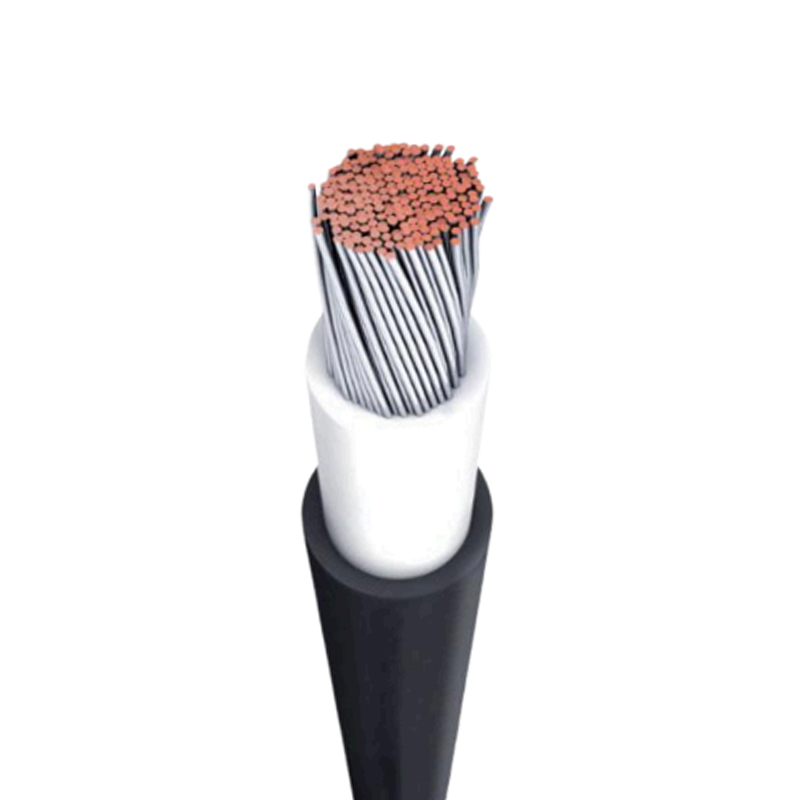
A solar power cable differs fundamentally from conventional THHN or NYY cables. Designed specifically for photovoltaic arrays, it must withstand extreme UV exposure, ozone, high temperatures, and permanent mechanical stress. The core differentiator is its cross-linked polyethylene (XLPE) or electron-beam cross-linked polyolefin insulation, which provides superior thermal endurance and low smoke zero halogen (LSZH) properties. Modern solar power cable constructions also feature tinned copper conductors to prevent oxidation at connection points, ensuring consistent low resistance over decades.
Electron-beam cross-linked jacket resists cracking after 25 years of direct sunlight, far surpassing standard PVC.
In case of fire, LSZH insulation emits no corrosive gases, protecting nearby equipment and personnel.
Temperature rating up to 120°C (at conductor) allows higher current carrying capacity in conduit-free installations.
Compliant with EN 50618, TÜV 2Pfg 1169/08.2007, UL 4703, and IEC 62930, ensuring global acceptance.
A seldom-discussed metric for solar power cable is insulation resistance retention after thermal cycling. The bar chart below compares % of original insulation resistance after accelerated aging (1000 cycles, -40°C to +120°C).
% Insulation Resistance Retained After 1000 Thermal Cycles
Data based on 2025 global PV cable demand by installation type. Solar power cable dominates utility projects where reliability is non-negotiable.
1000V or 1500V DC? Match cable voltage rating accordingly.
Use IEC 60364 for derating based on ambient temp & grouping.
EN 50618/TÜV for Europe, UL 4703 for Americas.
Include energy loss, replacement, and downtime risks.
Factory inspection, batch testing reports, and warranty.
Even the best solar power cable requires periodic inspection to ensure long-term reliability. Key practices include annual thermal imaging of connectors to detect hotspots, visual inspection of cable trays for mechanical damage, and insulation resistance testing (minimum 1 MΩ per 1000V). Compliance with NEC Article 690, IEC 62548, and local fire codes is mandatory. Additionally, always use dedicated PV-rated connectors (MC4 compatible) from the same manufacturer to avoid galvanic corrosion and warranty voidance.
A dedicated solar power cable is designed for outdoor UV exposure, extreme temperatures, and high DC voltage (up to 1500V). It uses cross-linked insulation and tinned copper, whereas normal DC cables often use PVC that degrades quickly under sunlight.
THHN is not recommended for exposed outdoor solar applications. It lacks the required UV resistance and may have lower temperature ratings. Use UL 4703 or TÜV-certified solar power cable for code compliance and safety.
Premium solar power cable with electron-beam cross-linked insulation is rated for a service life of 25 years or more under normal operating conditions, matching the lifespan of solar modules.
It depends on string voltage and current. Typically, for a 10kW residential system with 400V DC strings, 4mm² or 6mm² solar power cable is sufficient. Always perform voltage drop calculations.
Aluminum conductors are sometimes used for large utility-scale DC collection to reduce cost, but require careful termination and larger cross-sections. Copper solar power cable remains the standard for most installations due to superior conductivity and corrosion resistance.
Look for TÜV Rheinland 2Pfg 1169, EN 50618, IEC 62930, and UL 4703. These ensure the solar power cable meets international safety and performance standards.
Use dedicated cable trays, avoid sharp edges, maintain bending radius ≥ 4x cable diameter, and separate DC solar power cable from AC lines to prevent electromagnetic interference.
Absolutely. Undersized or low-quality solar power cable increases resistive losses (I²R). Even a 1% improvement in cable efficiency can translate to thousands of dollars in additional revenue over the system's life.
From utility-scale farms to residential rooftops, the solar power cable you choose directly impacts safety, longevity, and financial returns. At WXSXCABLE, we engineer photovoltaic cables that meet the most demanding international certifications, backed by 25-year performance warranties. Contact our engineering team today for a customized cable sizing report and sample kit.
© 2026 WXSXCABLE. All rights reserved. This guide on solar power cable is for informational purposes; always consult a certified electrician for installation.



Copyright © 2025 Wuxi Sanxin Cable Co., Ltd.
All Rights Reserved.
High Voltage Power Cables Manufacturers
Low Voltage Power Cables Factory