

 Language
 English
 عربى
عربىAluminum Alloy Cables Manufacturers
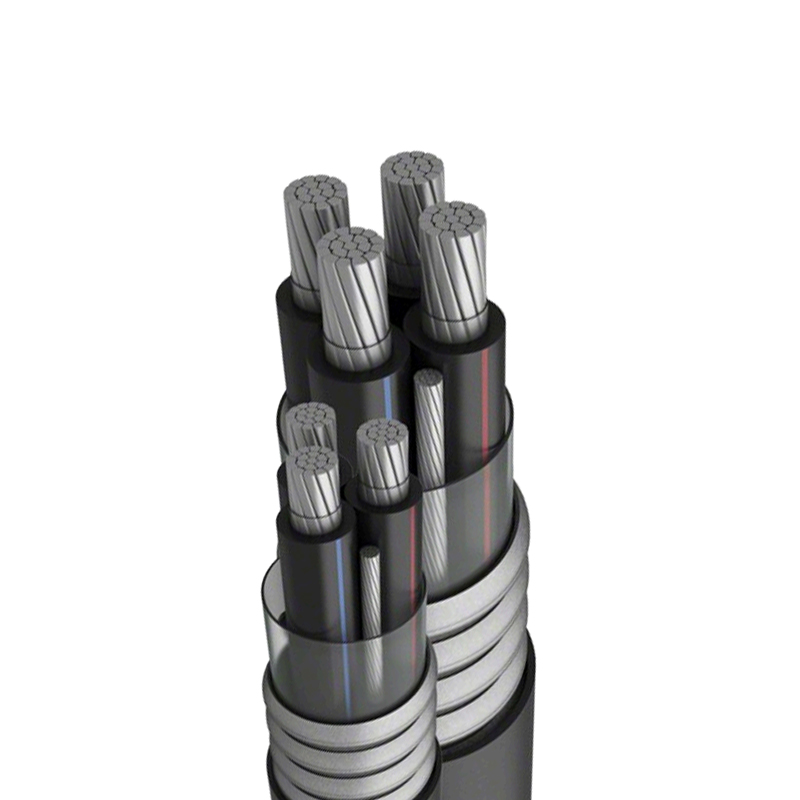
Aluminum alloy cable is a revolutionary cable conductor material. By adding trace amounts of iron, copper, magnesium, and manganese to pure aluminum, its overall performance is significantly enhanced. Compared to traditional pure aluminum cables, aluminum alloy cables achieve a qualitative leap in mechanical performance. Their significantly increased tensile strength and elongation allow them to withstand greater stress without breaking, exhibiting exceptional flexibility during installation and bending. More importantly, they effectively address the inherent cold flow and creep issues of pure aluminum, ensuring the long-term stability and safety of cable connections and avoiding the risk of fire caused by loose connections. Furthermore, they retain the lightweight advantages of aluminum, weighing only half as much as comparable copper cables, greatly simplifying transportation and installation.
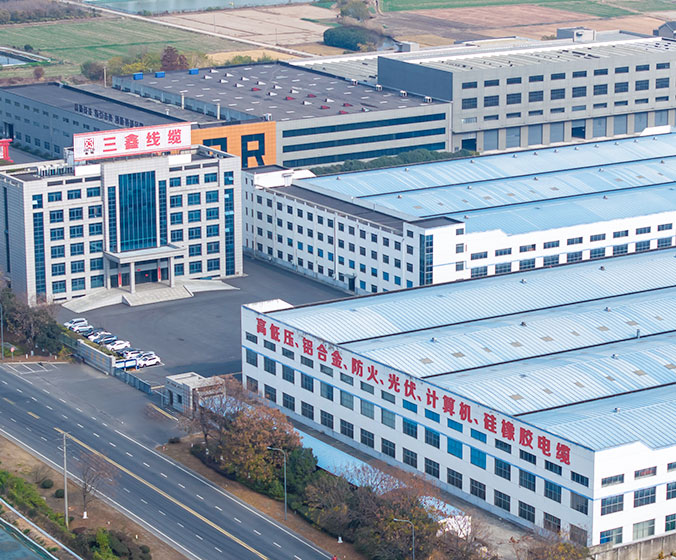
About Us
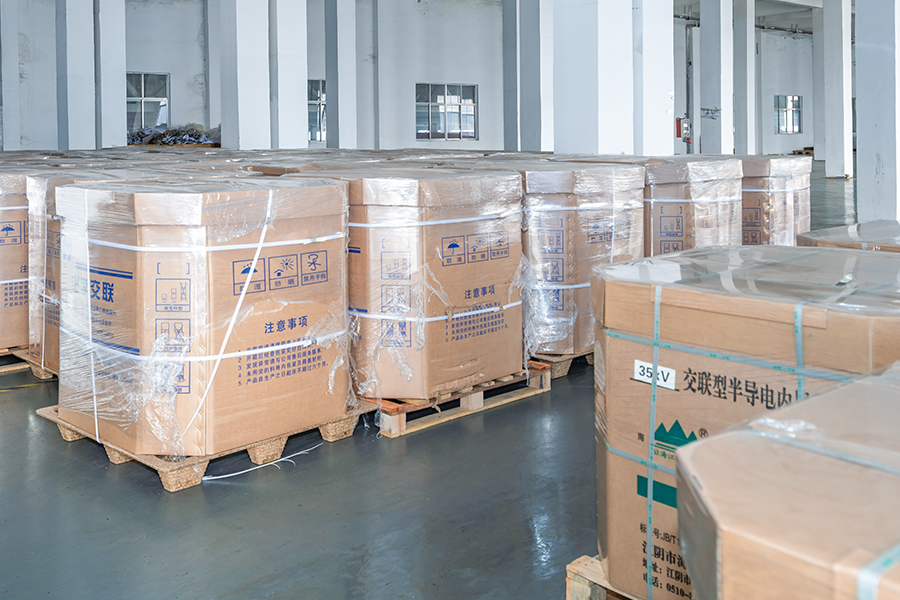
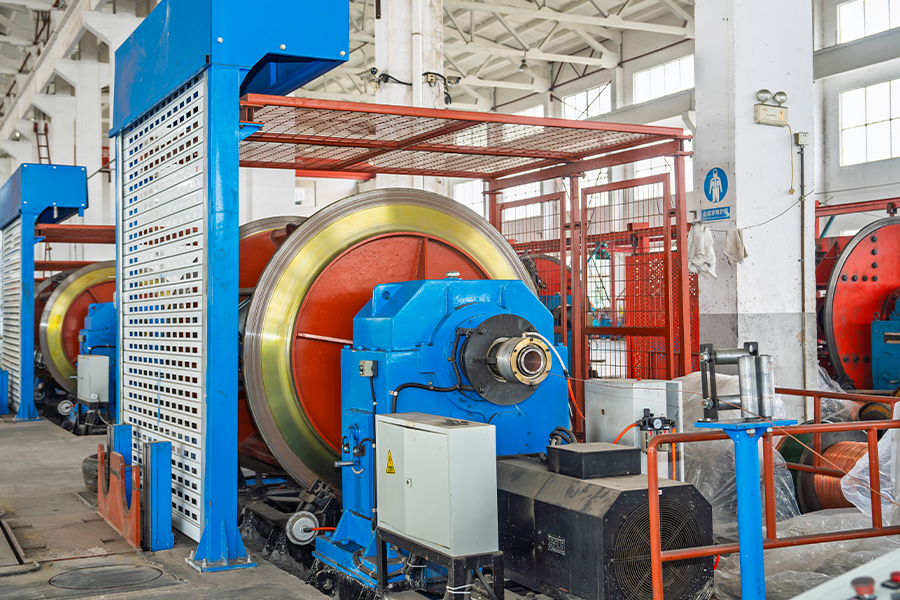
Factory Tour
Contact us now
Latest Enterprise and Industry News
-

 2026-03-02
 Industry News
 -
2026-02-24Industry News
-
2026-02-18Industry News

industry knowledge
Heat Accumulation Behavior in Aluminum Alloy Cables During Long-Term Load Operation
Unlike traditional copper cables, aluminum alloy conductors exhibit different thermal equilibrium points when operating under sustained loads. Over time, microstructural changes—such as grain boundary relaxation and enhanced oxide layer stability—affect how heat is distributed along the cable. Understanding this helps engineers calculate safe ampacity margins, especially when cables are installed in densely packed trays or in environments with limited airflow.
- Aluminum alloy conductors stabilize at lower thermal gradients compared with pure aluminum, reducing thermal creep.
- Cable insulation interacts with conductor temperature; XLPE-insulated aluminum alloy cables tend to show slower heat dissipation under buried installation conditions.
- Accurate modeling requires considering soil thermal resistivity, tray spacing, and cyclic loading patterns.
Mechanical Flexibility Improvements Found in Single Core Aluminum Alloy Cables
Single core aluminum alloy cables benefit from specialized alloying elements such as magnesium and silicon, which significantly enhance flexibility without sacrificing tensile strength. This flexibility is especially advantageous in modern construction environments where complex routing, tight bends, and high-density wiring tunnels are increasingly common.
Application Scenarios Where Flexibility Offers Engineering Advantages
- Underground substation retrofits requiring long pulling distances with multiple directional changes.
- High-rise buildings where shaft space is limited and traditional thick copper cables are impractical.
- Temporary power networks where rapid deployment and frequent layout changes are expected.
Optimizing Fault Detection Strategies for Multi-Core Aluminum Alloy Cables
Multi-core aluminum alloy cables introduce unique considerations for partial discharge detection and insulation fault localization. The electromagnetic coupling among cores can either enhance or mask fault signatures depending on frequency and load conditions. Engineers often need to adjust diagnostic techniques to account for these interactions.
Key Factors Influencing Diagnostic Accuracy
- Shielding and grounding methods that alter noise levels in multi-core systems.
- Core-to-core capacitance variations, which influence the propagation path of partial discharge pulses.
- Installation environment factors such as moisture content and metallic conduit interference.
Comparative Assessment of Corrosion Behaviors: Aluminum Alloy vs. Copper Conductors
While aluminum alloys are often misunderstood as being more susceptible to corrosion, the reality depends heavily on environmental conditions and material composition. Alloying creates a stable oxide layer that self-heals when scratched, providing superior resistance in many industrial settings compared with bare copper, which can suffer from pitting and sulfur-induced corrosion.
| Parameter | Aluminum Alloy Cables | Copper Cables |
| Oxide Layer Behavior | Self-healing, stable | Non-passivating |
| Chemical Sensitivity | Low in neutral/alkaline conditions | High in sulfur-containing environments |
| Typical Mitigation Needs | Joint sealing; moisture control | Anti-corrosion coatings; regular inspection |
Engineering Considerations for Termination and Connector Selection in Aluminum Alloy Systems
Achieving reliable long-term performance in aluminum alloy cable installations requires careful selection of terminals, connectors, and jointing materials. This is because aluminum’s coefficient of thermal expansion differs from that of typical connection hardware, making compatibility essential for preventing micro-loosening and contact resistance issues.
Recommended Practices for High-Reliability Installations
- Use compression connectors specifically certified for aluminum alloy conductors to prevent galvanic mismatch.
- Apply antioxidant compounds to inhibit oxide film growth at mating surfaces.
- Employ torque-controlled installation tools to ensure consistent pressure without damaging the conductor strands.
Cable Routing Approaches That Enhance Performance of Aluminum Alloy Power Systems
Routing strategy has a measurable impact on the operational life of aluminum alloy cables. Proper bending radius, spacing, and alignment practices can prevent mechanical stress localization and minimize electromagnetic interference, especially in high-power industrial networks such as petrochemical plants or aerospace test facilities.
- Maintaining sufficient spacing between parallel runs reduces mutual heating and electromagnetic coupling.
- Using rollers or lubricants during long pulls protects the conductor from strand displacement.
- Avoiding sharp directional changes ensures the conductor’s microstructure is not stressed beyond its designed elastic range.

-
[email protected]

-
+86-0510-87207396

-
West Suburb of Guanlin Town, Yixing City, Jiangsu Province, China

Your Cable Products?
Copyright © 2025 Wuxi Sanxin Cable Co., Ltd.
All Rights Reserved.
Custom Aluminum Alloy Cables Manufacturers
