
 Language
 English
 عربى
عربى
Home / News / Industry News / Copper vs Aluminum Wire: Conductivity, Cost, Ampacity, and How to Choose
Industry News
A 75-meter underground feeder to a workshop, a rooftop DC string on a commercial building, or a 400 V riser in a process plant: the first decision most engineers lock in is the conductor material. Copper and aluminum are both proven conductors, but they behave very differently once you account for ampacity, voltage drop, termination hardware, environmental exposure, and total installed cost.
Bottom line: copper provides the highest conductivity per cross-sectional area, the most stable terminations, and excellent corrosion resistance. Aluminum provides 61% of copper's conductivity at about one-third of the weight and a clearly lower material cost per amp. Use copper where space is limited, connection points are frequent, or the environment is aggressive. Use aluminum for long feeders, overhead spans, large solar arrays, and projects where weight and budget dominate.
Content
The table below summarizes the properties that matter most in real cable selection. Values are reference data for typical building wire and feeder applications; your project standard and conductor temperature rating may shift the numbers.
The differences start at the material level and show up in every downstream decision, from conductor gauge to connector selection.
Copper is rated at 100% IACS, while aluminum is about 61% IACS. To carry the same current, an aluminum conductor needs roughly 1.6 times the cross-sectional area of copper, in practice one or two standard wire sizes larger. Where a 16 mm² copper conductor is adequate, a 25 mm² aluminum conductor is typically required under the same installation conditions.
Copper has a density of 8.89 g/cm³ versus 2.70 g/cm³ for aluminum. For equal ampacity, the aluminum conductor weighs roughly half as much. That is why overhead line spans, long cable trays, and vertical risers favor aluminum when the design allows a larger cross-section.
Aluminum expands about 35% more than copper, with a coefficient of approximately 23 ppm/°C compared with 17 ppm/°C for copper. During load cycling, an aluminum conductor moves more at each termination. Correct torque, rated connectors, and a re-torque schedule are mandatory.
Copper forms a stable surface layer and performs well in most indoor, outdoor, and coastal environments. Aluminum forms a hard, insulating oxide layer almost instantly. In wet or salty conditions, aluminum connected directly to copper or brass can suffer galvanic corrosion unless an approved transition connector is used.
Copper terminates with standard lugs and standard torque procedures. Aluminum requires CO/ALR-rated devices, anti-oxidant compound on the stripped conductor, and periodic re-torquing. The difference is small for one joint but significant when a project has hundreds of terminations.
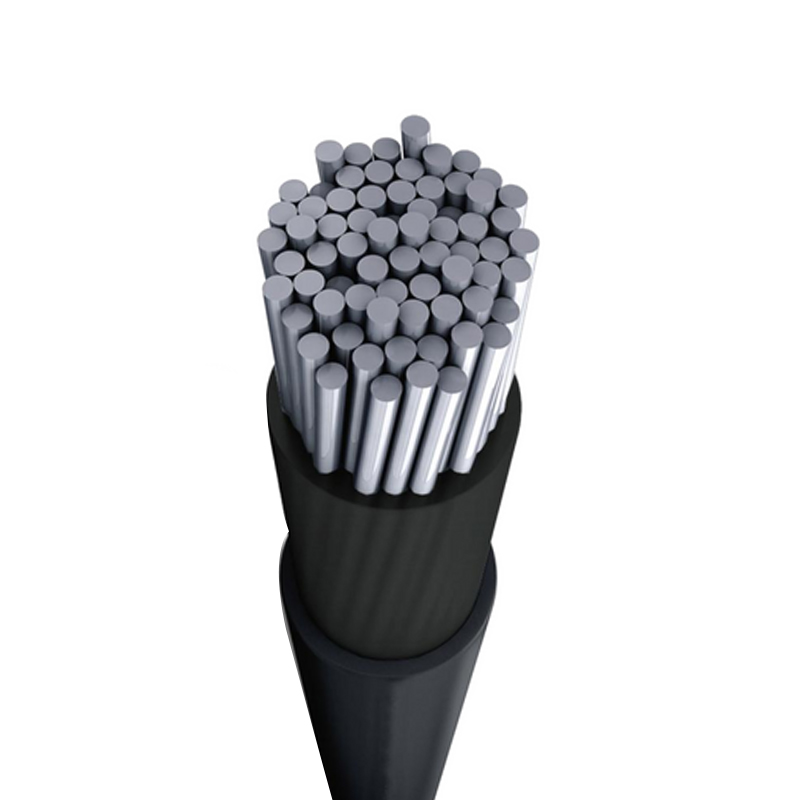
A factory that produces both conductor materials makes the decision easier because you are comparing specifications rather than suppliers. Wuxi Sanxin Cable builds copper-core and aluminum-core plastic insulated power cables using the same internal process controls, so switching from copper to aluminum only changes the conductor specification, not the supply chain.
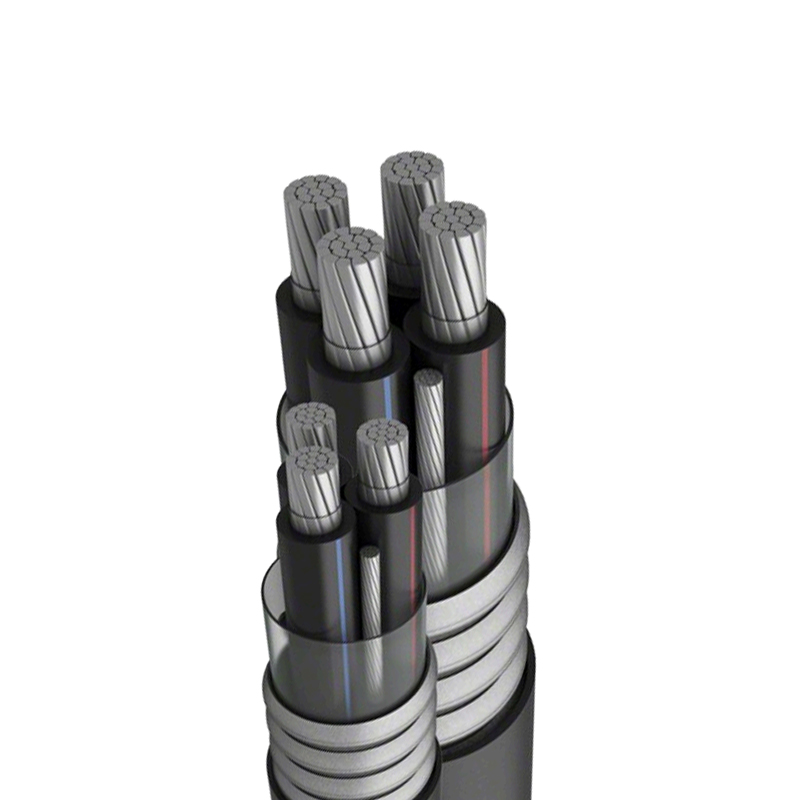 Copper core and aluminum core plastic insulated power cable with rated voltage oSanxin Cable is Copper core and aluminum core plastic insulated power cable with rated voltage of 26/35kV and below Supplier and Wholesal...View Product →
Conductivity and ampacity are only the visible part of the comparison. The hidden factors, including weight, thermal movement, and cost per installed amp, often decide the project. The chart below shows the relative difference between copper and aluminum when both are sized for the same ampacity.
Two hidden cost drivers deserve attention before you pick a material. The first is voltage drop. Because resistance depends on both resistivity and cross-sectional area, a properly upsized aluminum conductor meets the same voltage-drop limit as copper. In long runs, the calculation often forces both materials up one or two sizes, and the cost difference between them usually widens as the run grows. The second driver is conduit fill. Aluminum's larger diameter for the same ampacity means a larger conduit, and that offsets part of the material savings.
Creep is the third factor that never appears on a price sheet. Pure aluminum can deform slowly under constant pressure at terminations, so most modern building feeders use AA-8000 series aluminum alloy rather than EC-grade aluminum. Alloying and careful stranding control improve the long-term behavior of the connection.
Both issues point to the same conclusion: the conductor choice should be made together with the cable manufacturer. Our factory capabilities page documents the production steps and quality checks behind copper and aluminum conductors, including alloy selection, stranding, and insulation extrusion, so you can verify what you are actually specifying.
Aluminum is not a universal substitute for copper. It dominates certain sectors and is rare in others. The typical volume distribution of aluminum conductor use in cable manufacturing is shown below.
In photovoltaic systems, DC cables must meet standards such as EN 50618 or UL 4703. Copper remains common for module-level leads and short interconnects, while an aluminum solar cable becomes attractive for long array runs and large plants where weight and cost per meter matter most.
 ALUMINIUM SOLAR CABLE Suppliers, Factory - Wuxi Sanxin Cable Co., Ltd.Sanxin Cable is ALUMINIUM SOLAR CABLE Supplier and Wholesale ALUMINIUM SOLAR CABLE Factory in China, Get A Free Custom QuoteLaunch your p...View Product →
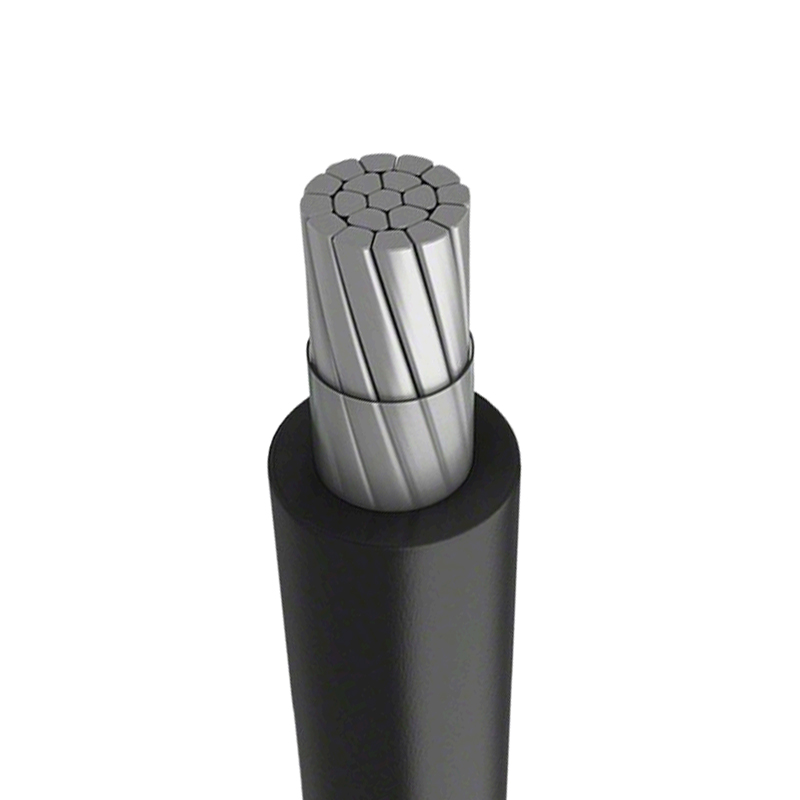
For building feeders, copper is the traditional choice for small branch circuits and sensitive loads. Above roughly 25 to 35 mm², aluminum alloy becomes the economical standard, especially when certified AA-8000 conductors are specified. The YJLHV-8030 series aluminum alloy cable is a common building-wire substitution because alloying improves creep resistance, termination behavior, and bending performance.
YJLHV 8030 Series Cross Linked Polyethylene Insulated Aluminum Alloy Cable SupplSanxin Cable is YJLHV 8030 Series Cross Linked Polyethylene Insulated Aluminum Alloy Cable Supplier and Wholesale YJLHV 8030 Series Cross...View Product →Work through these steps in order. Skipping the installed-cost comparison is the most common procurement mistake.
Define load and route. Record phase, voltage, continuous current, ambient temperature, route length, and installation method such as conduit, tray, direct burial, or overhead.
Set the voltage-drop limit. Most projects allow 3% for branch circuits and 5% for feeders. Longer runs often force both materials up a size, which changes the cost comparison.
Size both conductors. Use the ampacity table for the relevant standard and the actual insulation type. Note the gauge difference between copper and aluminum before comparing price.
Compare installed cost. Include conductor price, lugs, anti-oxidant compound, conduit size, and labor. CO/ALR devices cost more than standard copper lugs, which reduces part of the aluminum advantage.
Check the environment. Coastal, chemical, or high-humidity sites push many specifiers back to copper. Dry, protected interior environments favor aluminum.
Confirm certification. Verify IEC 60228 conductor class, IEC 60502 for power cables, EN 50618 or UL 4703 for solar, plus local electrical code requirements.
Request factory data. A manufacturer should provide current-carrying capacity tables, bending radii, and termination guidance. Our power cable selection guide covers cable types, installation tips, and safety checks in more detail.
Copper and aluminum require different levels of care at terminations, and those differences decide long-term reliability.
Neither copper nor aluminum is better in isolation. Copper is the reference material for reliability, compactness, and corrosion performance. Aluminum is the economic and weight-optimized choice for long runs, large feeders, and solar plants. Define your voltage-drop limit, termination environment, and installed-cost budget first; the conductor material will usually choose itself.



Copyright © 2025 Wuxi Sanxin Cable Co., Ltd.
All Rights Reserved.
High Voltage Power Cables Manufacturers
Low Voltage Power Cables Factory