
 Language
 English
 عربى
عربىIndustry News
Content
- 1 What Makes Power Cables the Backbone of Modern Energy Infrastructure
- 2 The Architecture of a Power Cable: Layers That Protect and Perform
- 3 High Reliability: The Non-Negotiable Standard
- 4 Transmission Efficiency: Minimizing Losses Across Every Kilometer
- 5 Harsh Environment Resistance: Built for Where It Matters Most
- 6 How to Select the Right Power Cable for Your Application
What Makes Power Cables the Backbone of Modern Energy Infrastructure
Power cables are far more than wires bundled in protective sheathing. They are the circulatory system of modern civilization — the hidden arteries that carry electrical energy from generation sources to every machine, device, and building that depends on it. From sprawling industrial complexes to residential neighborhoods, power cables form the foundational layer of every electrical system in operation today. Understanding what distinguishes a high-performing cable from a substandard one is essential for engineers, procurement teams, and facility managers who cannot afford system failures.
The Architecture of a Power Cable: Layers That Protect and Perform
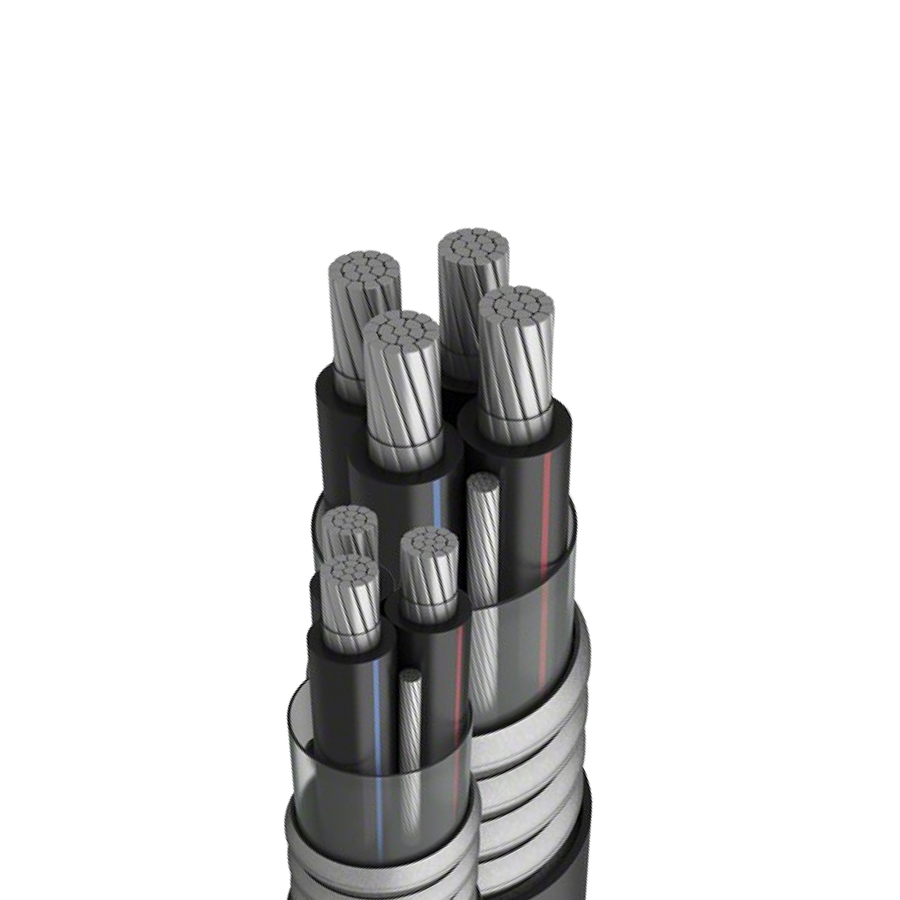
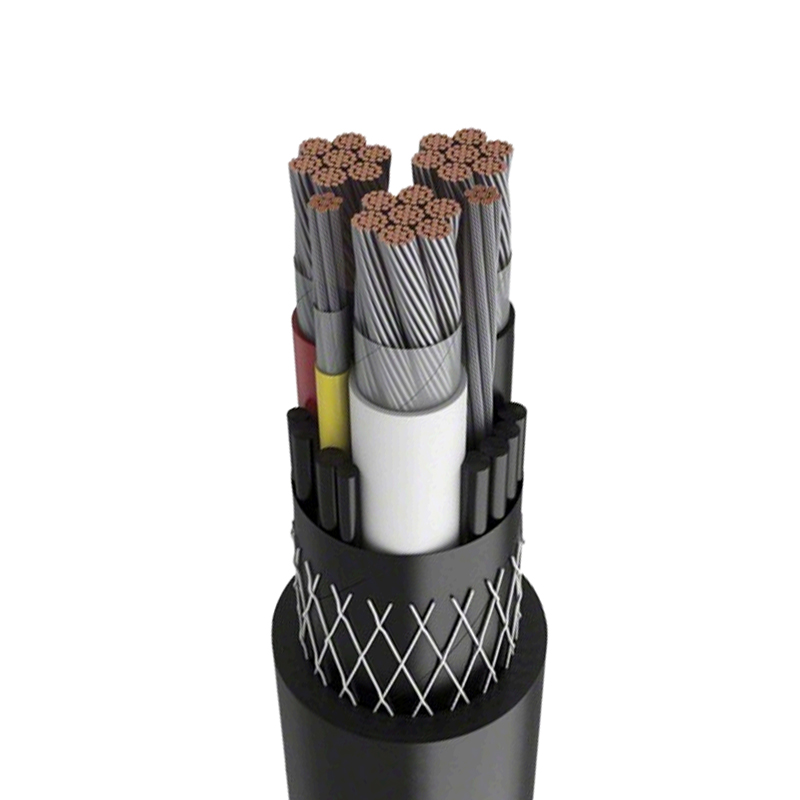
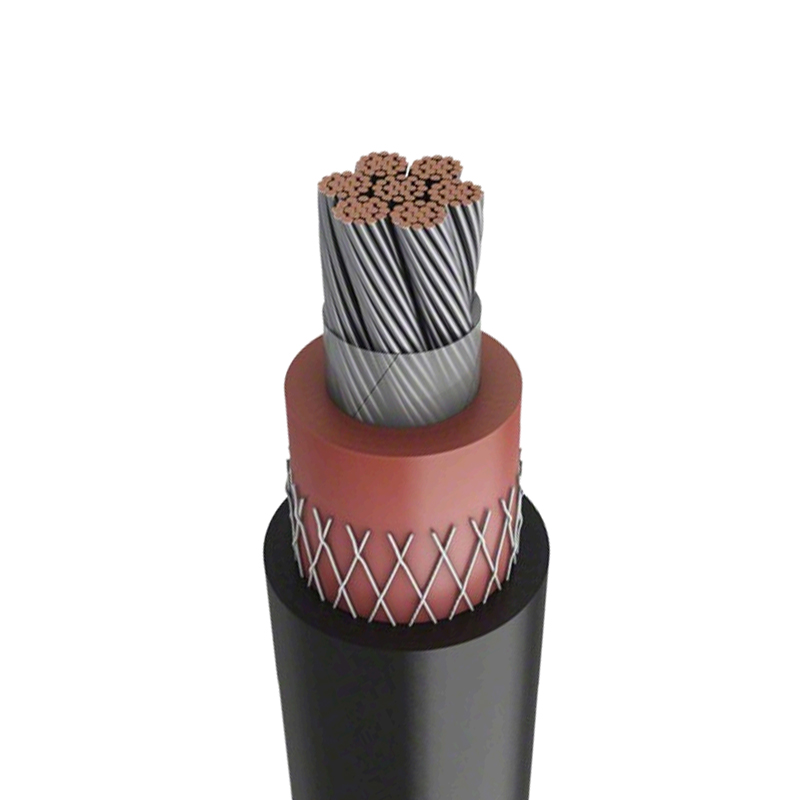
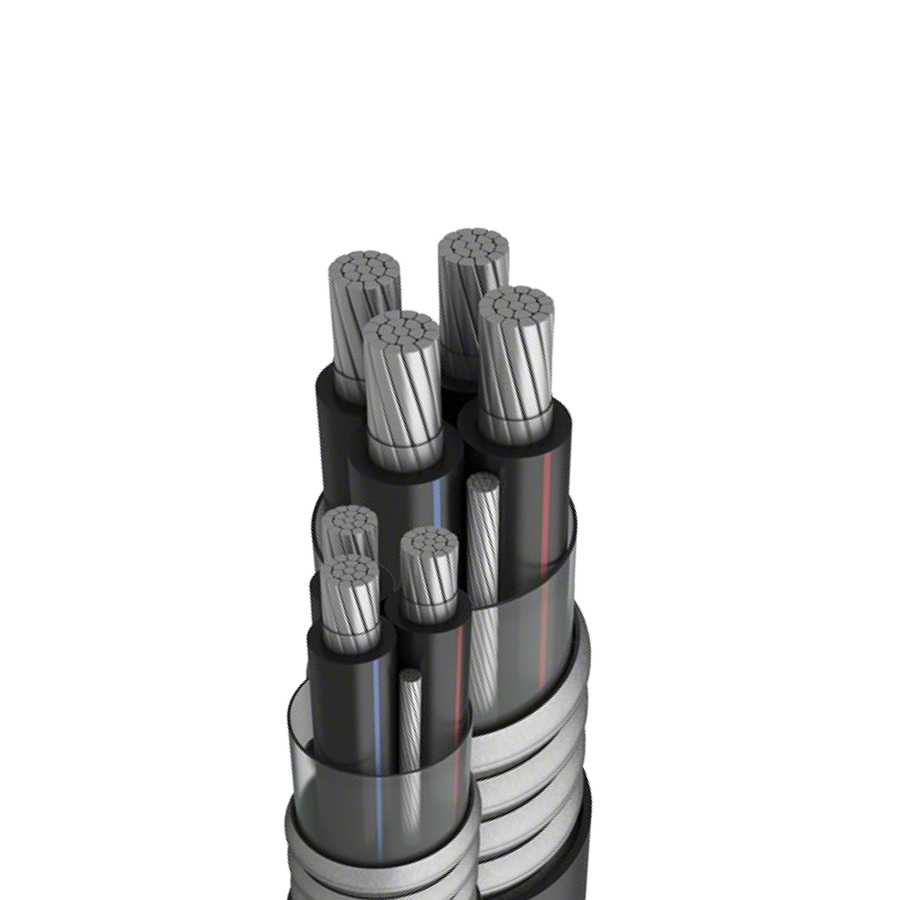
A power cable's performance is built from the inside out. Each layer serves a specific and critical function, and it is the combination of these layers that determines how well the cable performs under real-world operating conditions.
Conductor
The conductor — typically copper or aluminum — forms the electrical pathway. Copper offers superior conductivity and is preferred in high-load industrial applications. Aluminum is lighter and more cost-effective for long-distance overhead lines. The cross-sectional area of the conductor directly determines how much current the cable can safely carry without overheating.
Insulation Layer
Surrounding the conductor is the insulation layer — the most critical component for electrical safety. Materials such as cross-linked polyethylene (XLPE) or PVC are used to prevent current leakage, avoid short circuits, and maintain dielectric integrity at high voltages. Multi-layer insulation designs further reinforce protection, especially in medium- and high-voltage applications where voltage stress on the insulation is severe.
Shielding and Armor
Metallic shielding manages electric field distribution and suppresses electromagnetic interference. Armoring — typically steel wire or aluminum — adds mechanical protection for cables installed underground or in environments where physical damage is likely. Together, these layers ensure that power cables maintain structural and electrical integrity even under mechanical stress.
High Reliability: The Non-Negotiable Standard
High reliability is not a marketing phrase — it is an engineering requirement that determines whether a cable can be trusted across its full service life, which often spans 30 to 40 years. Reliability failures in power cables cause costly downtime, equipment damage, and in worst cases, safety incidents that put personnel at risk.
Several factors directly influence cable reliability:
- Material quality: High-grade insulation materials resist aging, moisture absorption, and thermal degradation over decades of continuous use.
- Manufacturing precision: Consistent insulation thickness, void-free dielectric layers, and uniform conductor stranding all reduce the risk of localized failure points.
- Testing and certification: Cables that comply with IEC, UL, or other international standards undergo rigorous qualification testing, including partial discharge tests, high-voltage withstand tests, and load cycling tests.
- Thermal management: Cables designed with accurate current-carrying capacity ratings prevent overheating, which is one of the leading causes of insulation failure and unplanned outages.
In critical infrastructure — hospitals, data centers, railway systems, and power substations — high reliability in power cables is an absolute prerequisite, not an optional feature.
Transmission Efficiency: Minimizing Losses Across Every Kilometer
Transmission efficiency directly affects operating costs and system performance. Every percentage of energy lost as heat during transmission represents wasted resources and increased carbon output. In large-scale power systems — where cables may run for hundreds of kilometers — even marginal improvements in efficiency translate into significant economic savings.
Key drivers of transmission efficiency in power cables include:
| Factor | Impact on Efficiency |
| Conductor material (copper vs. aluminum) | Copper has lower resistivity, reducing I²R losses |
| Conductor cross-section size | Larger cross-sections lower resistance and heat generation |
| Insulation dielectric properties | Low dielectric loss tangent reduces capacitive losses |
| Operating voltage level | Higher voltage reduces current, lowering resistive losses |
| Cable installation method | Proper thermal environment prevents derating and losses |
XLPE-insulated cables, for example, operate at continuous conductor temperatures of up to 90°C, enabling higher current density compared to PVC-insulated alternatives. This allows system designers to maximize transmission efficiency without increasing conductor size — a practical advantage in both cost and space-constrained installations.
Harsh Environment Resistance: Built for Where It Matters Most
Power cables are rarely installed in ideal conditions. Underground cables face soil movement, groundwater infiltration, and chemical exposure from surrounding geology. Industrial cables operate near high heat, oils, and mechanical vibration. Offshore and coastal installations must withstand saltwater corrosion and UV degradation. Harsh environment resistance is therefore not a bonus feature — it is what determines whether a cable will last its full rated lifespan or fail prematurely.
Cables designed for demanding environments typically incorporate the following protective measures:
- Moisture barriers: Longitudinal water-blocking tapes and metallic moisture barriers prevent water ingress that can degrade insulation and cause treeing failures over time.
- Chemical-resistant sheaths: Outer jackets made from polyurethane (PUR) or specialized polyethylene compounds resist acids, solvents, and oils encountered in industrial environments.
- UV stabilization: Outdoor and aerial cables use UV-stabilized jacket compounds to prevent photodegradation during prolonged sun exposure.
- Armoring: Steel wire or tape armoring provides crush resistance and protection against rodent damage, sharp rocks, and mechanical impact during and after installation.
- Wide temperature range ratings: Cables rated for operation from -40°C to 90°C or beyond serve in both arctic and tropical climates without performance compromise.
Selecting a cable with inadequate environmental ratings for a specific installation site is one of the most common and costly mistakes in cable procurement. The upfront savings from a lower-spec product are quickly erased by early replacement, emergency repairs, and unplanned downtime.
How to Select the Right Power Cable for Your Application
Choosing the correct power cable requires a structured approach that balances technical performance, installation environment, and long-term cost of ownership. The following criteria should guide the selection process:
- Voltage rating: Match the cable's rated voltage to the system voltage, with appropriate safety margins for transients and surges.
- Current-carrying capacity: Calculate load requirements and apply derating factors for installation method, ambient temperature, and grouping of cables.
- Environmental conditions: Identify all potential exposure risks — moisture, chemicals, UV, mechanical stress — and select sheathing and armoring accordingly.
- Standards compliance: Verify that the cable meets relevant international or regional standards (IEC 60502, BS 6622, NFC 33-220, etc.) for the intended application.
- Life expectancy and warranty: Prioritize cables from manufacturers offering documented service life guarantees backed by accelerated aging test data.
Power cables represent a long-term investment in system reliability. Selecting a cable that meets only the minimum specification may reduce initial costs but compromises the high reliability, transmission efficiency, and harsh environment resistance that critical applications demand. A well-specified cable, properly installed and maintained, will deliver decades of stable, safe, and efficient power delivery — which is precisely the standard that modern infrastructure requires.