

 Language
 English
 عربى
Home / News / Industry News / Welding vs Bolting: How to Choose Structural Joints for Cable and Plant Work
Industry News
A fabrication drawing for a 6/10 kV substation cable-tray package often carries one vague note: “weld or bolt as required.” That note hides a decision that changes erection speed, inspection cost, outage planning, and corrosion risk. The practical answer is to bolt joints that must be opened, adjusted, or torque-verified, and to weld joints that are permanent, stiffness-critical, and fully protected from corrosion. Most expensive mistakes come from choosing by habit rather than by lifecycle.
Content
Neither method is universally stronger. A welded joint creates a continuous load path and seals well, but it is permanent and demands hot-work controls. A bolted joint is reversible and field-friendly, but its performance depends on preload, surface condition, and inspection discipline. The right choice is the one whose maintenance and verification requirements match the asset’s service life.
Reversible, verifiable by torque, and suitable for field assembly. Weak points are relaxation, galvanic corrosion, and inconsistent preload.
Continuous, stiff, and sealed. Weak points are heat-affected zone hardness, distortion, non-destructive testing cost, and no easy disassembly.
Shop-weld the main frame, then bolt removable modules, expansion joints, and future-connection points. This is common in cable plants and substations.
A fillet or full-penetration weld transfers force through fused metal rather than through contact pressure. That gives high stiffness and good fatigue performance when the detail is designed to avoid sharp transitions. The trade-off is a heat-affected zone with changed hardness and residual stress, plus the need for qualified procedures, welder qualification, and inspection.
A bolted joint first develops clamp force, then carries load by friction or by bolt bearing, depending on the connection type. Slip-critical joints rely on friction from preloaded bolts; bearing joints rely on hole bearing and shear. If preload is low, the joint slips, frets, and loosens. If the joint is over-preloaded without control, bolts yield or the plate crushes.
In cable work, the same logic applies to tray supports, equipment skids, busbar enclosures, and earthing continuity. A 6/10 kV XLPE cable route may run on welded ladder supports inside a plant and on bolted supports in a switchyard where future circuits are expected. The joint method should follow the routing plan, not the fabricator’s convenience.
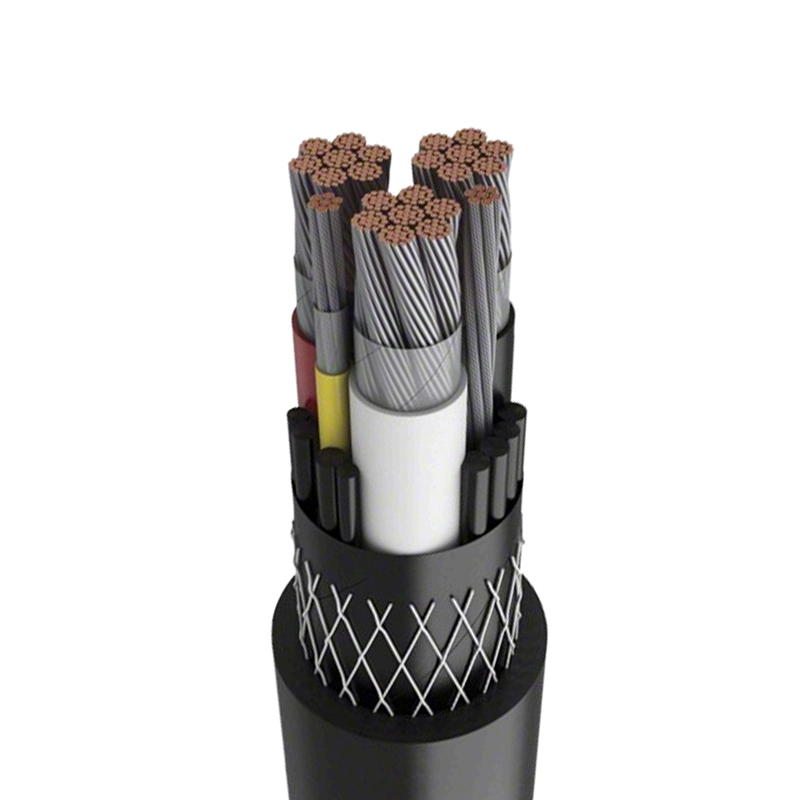
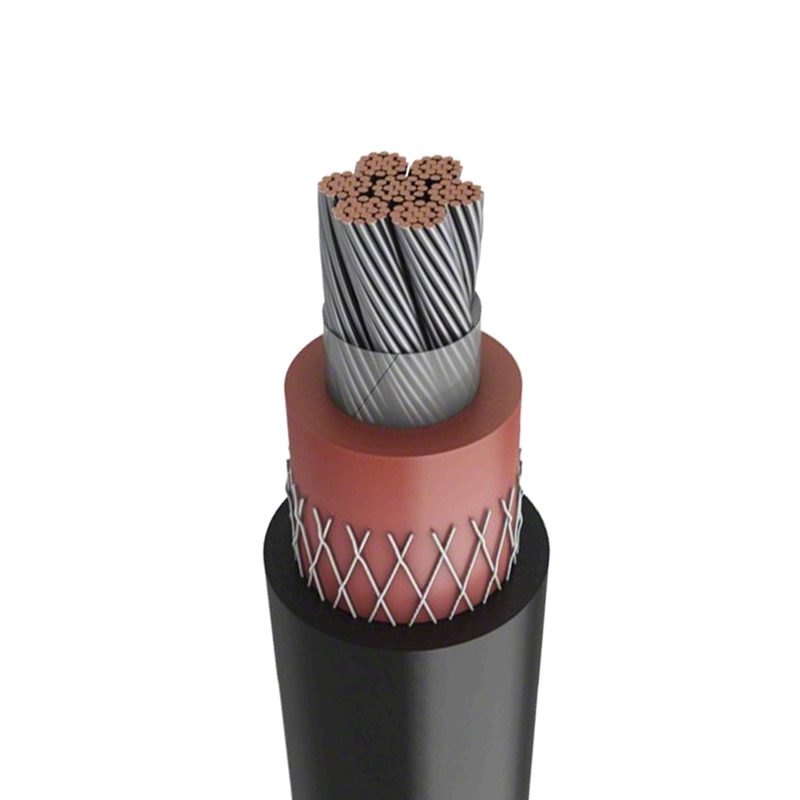 6/10 kV XLPE Insulated Power Cable SeriesDetails single- and three-core YJV/YJLV variants, conductor sizes, insulation thickness, and dimensions for cable-route specification planning.View Product →
Qualitative comparison for specification planning; project values must come from the governing design code and connection calculation.
The variables that decide long-term performance rarely appear on a one-line drawing. Bolted joints lose clamp force through embedding, relaxation, and thermal cycling. Welded joints gain hardness and residual stress in the heat-affected zone, and inspection coverage is often sample-based. The relative index below shows why a “stronger” label is less useful than a controlled process.
Read the chart as a risk index, not a test result. A bolted joint with a 25% preload scatter can still be reliable if every bolt is calibrated and marked. A welded joint with a 35% hardness increase can still pass if the procedure controls heat input and the inspection plan targets the right locations.
Industry practice is not a universal statistic, but a typical project portfolio split helps a specification team frame the decision. Building steel leans bolted because site assembly and modification are common. Industrial plant and power projects often use a hybrid: welded frames, bolted equipment interfaces. Process and pressure equipment favors welding for containment. Transport infrastructure mixes both, with bolted connections for expansion and maintenance access.
Building steel: about 40%
Industrial plant and power: about 28%
Process and pressure: about 17%
Transport infrastructure: about 15%
In utility-scale solar, tracker and module frames are almost always bolted because they must be aligned, replaced, and torqued on site. The DC cabling that follows those frames has its own constraints: UV exposure, temperature cycling, and connector compatibility. A bolted structure is only as good as the cable interface it protects.
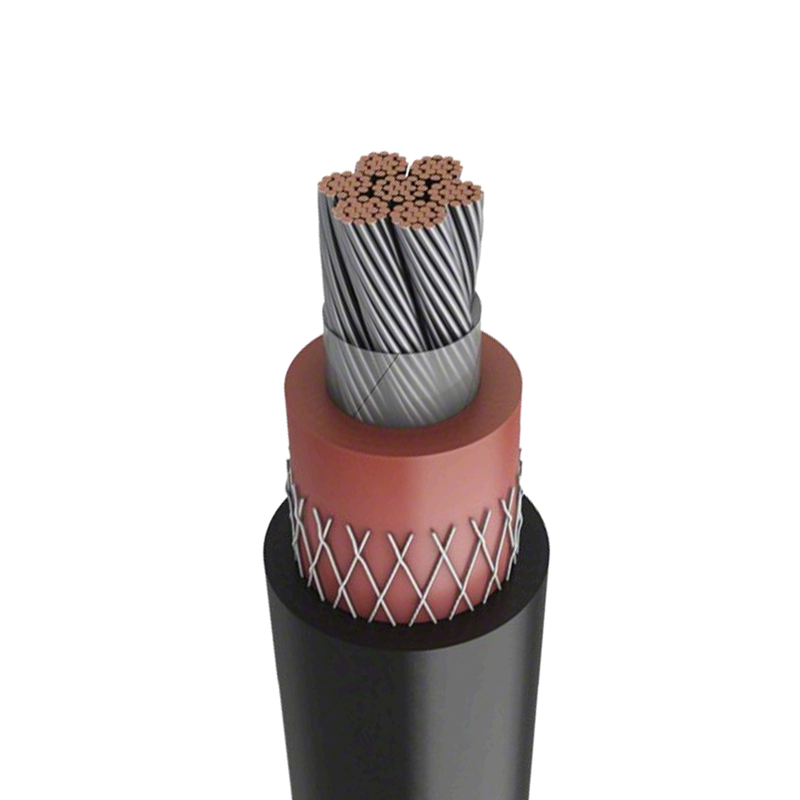
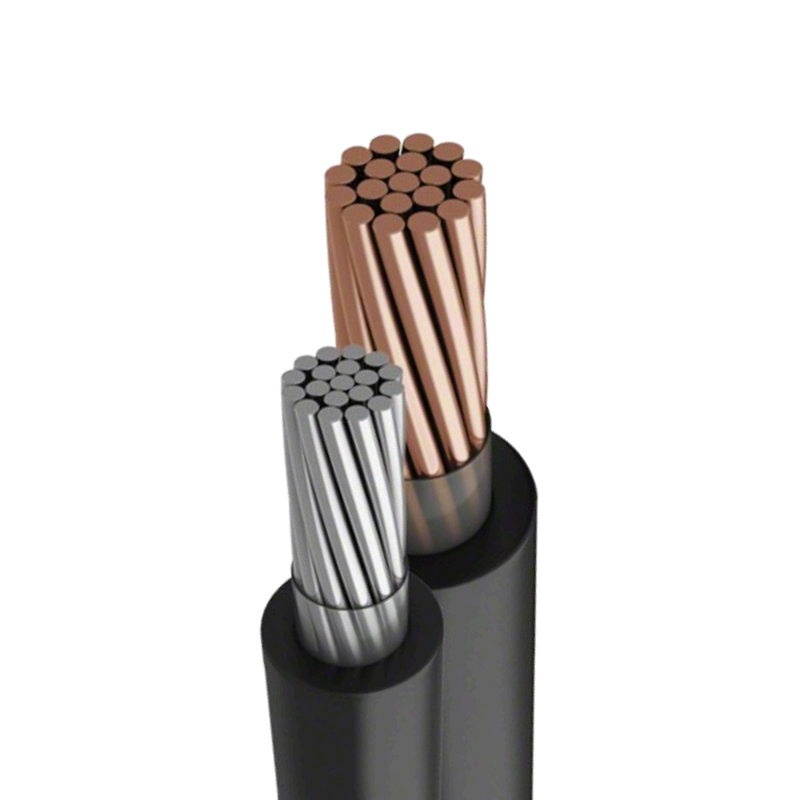 H1Z2Z2-K 1.5 kV DC Solar CableUV-resistant, halogen-free PV cable with tinned copper conductors and 1.5 kV DC rating for panel-to-inverter runs in demanding outdoor installations.View Product →
If the answer is yes, bolting is usually the lower-risk choice. If the joint is permanent and part of a sealed or stiff load path, welding deserves first consideration.
Welding near cable insulation, flammable materials, or live equipment may require permits, fire watch, and shutdowns. Bolting avoids hot work but still needs access for torque tools.
For bolting, define torque, lubricant, washer type, and inspection frequency. For welding, define the procedure, filler metal, heat input, and acceptance criteria.
Welding often has a lower material cost per joint but higher rework, inspection, and outage costs. Bolting carries higher fastener and surface-preparation costs but lower field risk and easier future modification.
For cable routes, the connection decision should be read together with the power cable selection and installation guide, because support spacing, bend radius, and thermal movement all affect the joint detail.
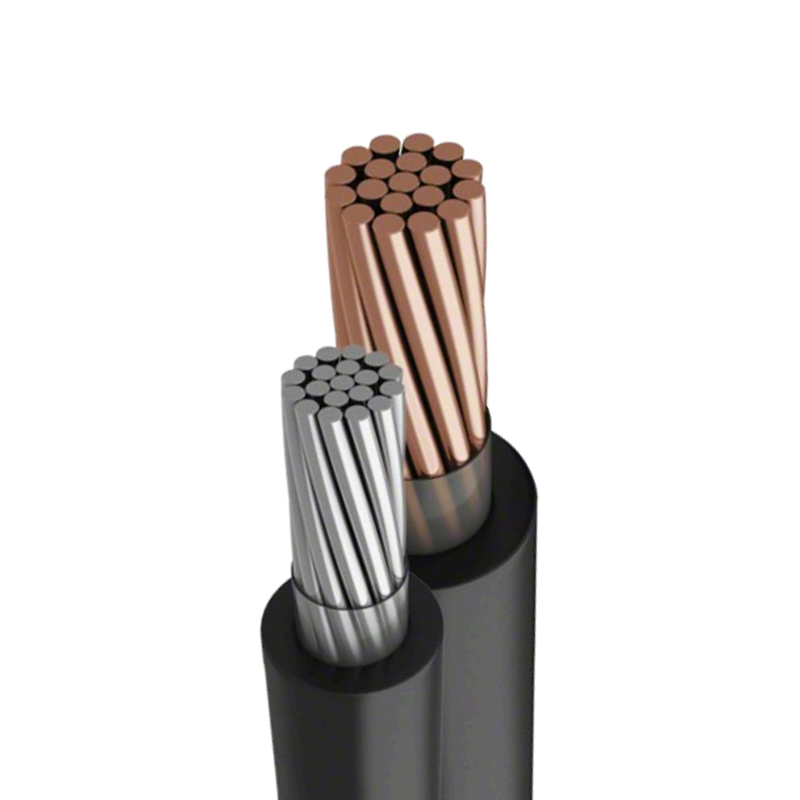
Bolted aluminium-to-steel connections need isolation or plating to avoid galvanic corrosion, especially in wet or coastal sites. Welded aluminium requires a different procedure and filler than steel, and mixing the two in one detail is rarely practical. In cable projects, aluminium alloy conductors and aluminium support structures behave differently from steel bolts and galvanised trays, so the interface deserves its own detail drawing.
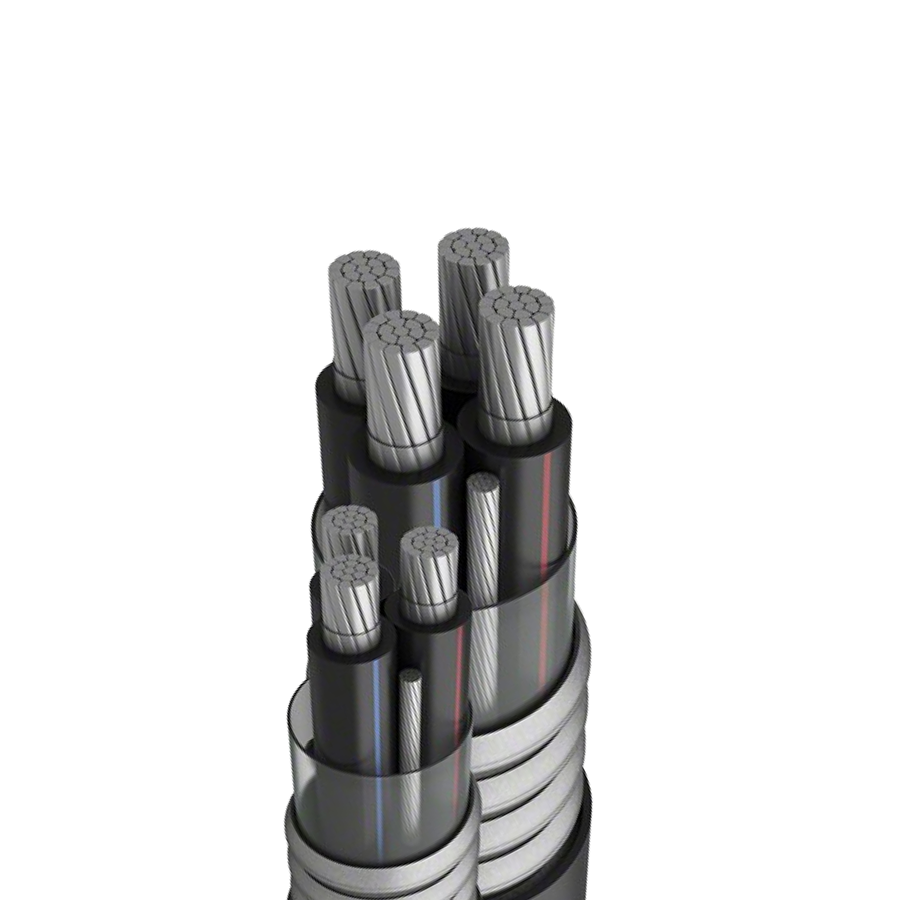
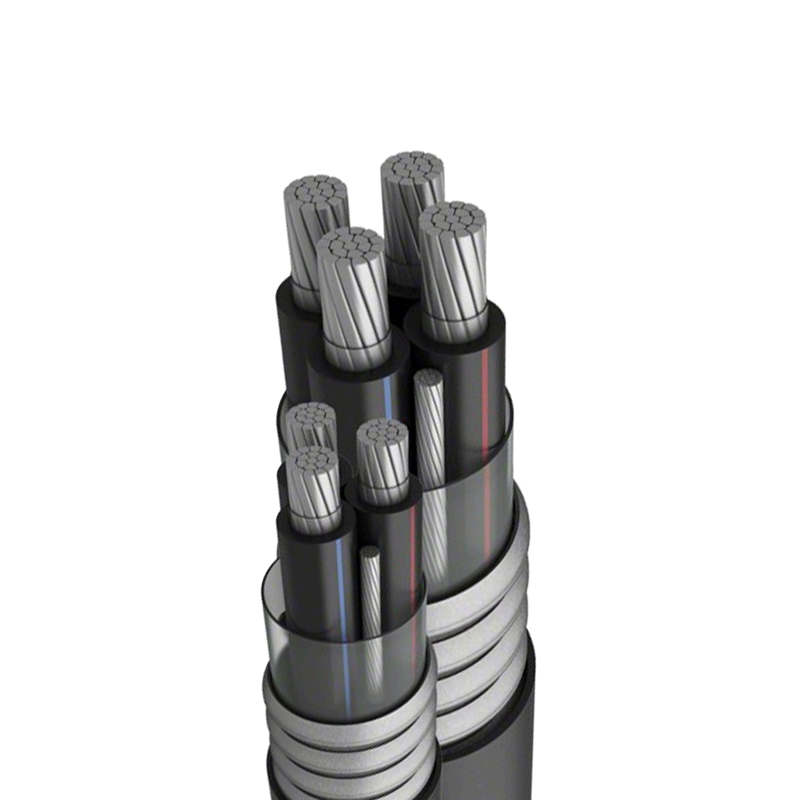
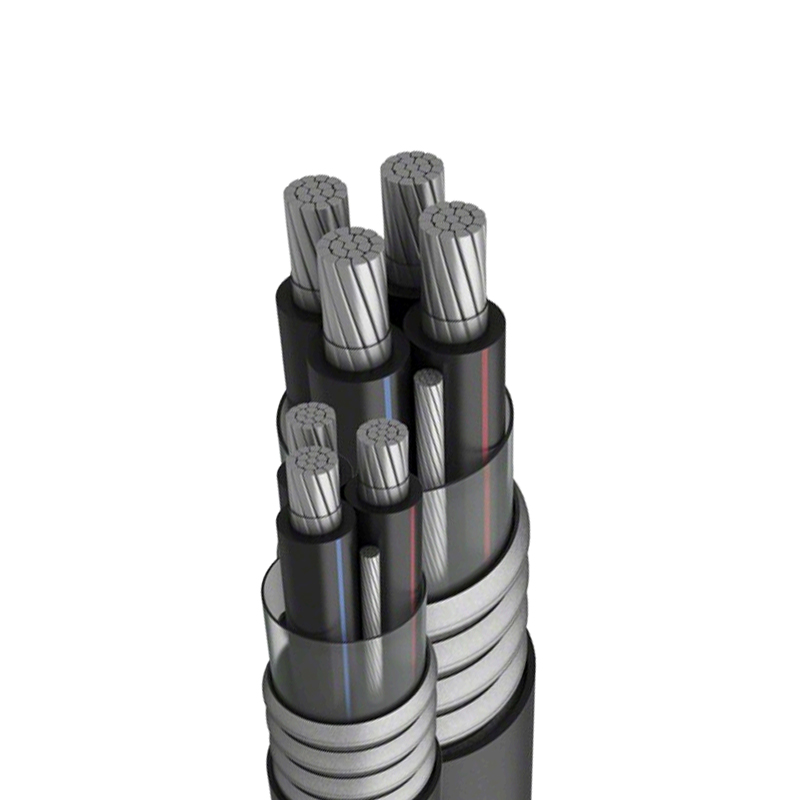 YJLHV 8030 Series XLPE Aluminum Alloy CableHigh-flexibility 90°C aluminum alloy power cable with halogen-free low-smoke options, relevant where aluminum conductor interfaces need separate detailing in cable projects.View Product →
Bolted joints should be torque-marked and audited on a schedule; welding should be inspected to a defined acceptance class with records of procedure and welder qualification. Common references include AISC 360, Eurocode 3, ASME PCC-1, and ISO 898-1, but the governing project specification always takes precedence. Keep the joint method, inspection results, and coating repair records together so that maintenance teams can repeat the original intent.
The practical rule is simple: bolt what must move, be inspected, or be replaced; weld what must be stiff, sealed, and permanent. Apply a hybrid detail where both needs exist, and document the choice. Cable projects add one more constraint: the joint must protect the cable route from heat, corrosion, and mechanical damage. Reviewing a supplier’s manufacturing and delivery capabilities is a useful final check, because the best joint detail still depends on consistent production and traceable delivery.



Copyright © 2025 Wuxi Sanxin Cable Co., Ltd.
All Rights Reserved.
High Voltage Power Cables Manufacturers
Low Voltage Power Cables Factory
