
 Language
 English
 عربى
Home / News / Industry News / 70 Electrical Wiring Types: Selection, Standards, and Installation Guide
Industry News
A 70-item wiring schedule rarely fails because the engineer cannot name a cable. It fails because two labels that look interchangeable hide different jacket compounds, voltage ratings, or test regimes. On a plant upgrade, a contractor once substituted a 0.6/1 kV PVC cable for a 6/10 kV XLPE feeder at a junction box. The conductor size matched; the insulation system did not.
The practical conclusion: treat “70 electrical wiring types” as a family map, not a shopping list. The number is a working count of common conductor, insulation, jacketing, armor, voltage, and installation combinations. Start with the installation environment and the standard, then narrow to the type code.
That order matters because NFPA 70 Chapter 3 defines wiring methods and materials, not a literal catalog of 70 product names. The count grows as soon as you multiply copper or aluminum conductors by PVC, XLPE, or EPR insulation, then add jacket, armor, voltage class, and installation route.
Content
Five decisions generate most of the list. If a specification stops at “XLPE cable,” it has not specified enough.
A 6/10 kV XLPE feeder and a 0.6/1 kV building wire can both be called “power cable,” but they are not interchangeable. The higher-voltage cable carries thicker insulation, tighter partial-discharge control, and different test requirements.
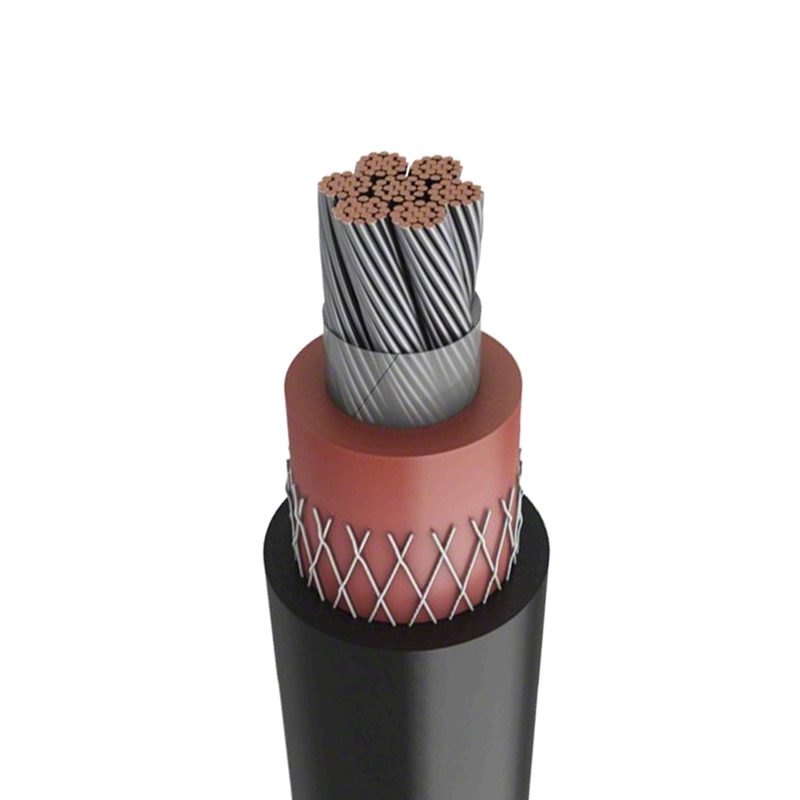 6/10 kV XLPE Insulated Power CableThis 6/10 kV XLPE cable supports feeder-level voltage selection, with YJV/YJY variants, single- or three-core builds, and conductor sizes up to 1000 mm².View Product →
That is why voltage class belongs in the first line of a purchase description, not in a note at the end. It also explains why a 70-type schedule can look complete while still leaving the most expensive decision open.
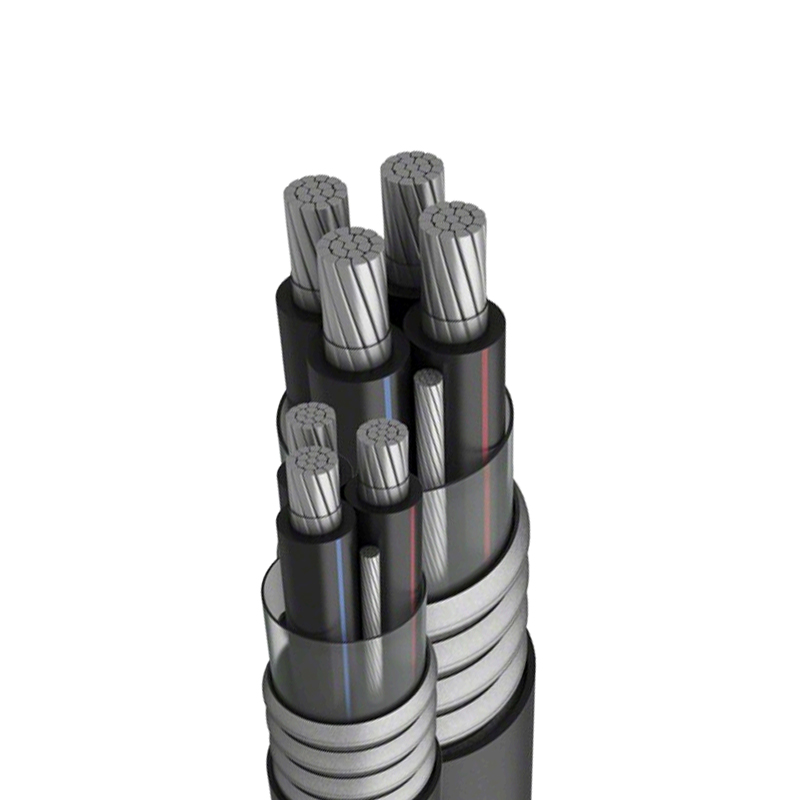 YJLHV 8030 Series XLPE Aluminum Alloy CableThis YJLHV 8030-series XLPE cable details alloy conductor constructions, flame-retardant grades, and 1–3 kV technical data for projects where alloy grade and termination method matter.View Product →
Aluminum-alloy conductors are a useful example of why the table matters. The alloy grade, creep behavior, and termination method change the risk profile, so the purchase order should name the alloy series and the applicable standard, not simply “aluminum cable.”
Procurement teams often stop at the type code. The indicators below decide whether a batch performs after installation, especially when suppliers are compared on price alone.
A low conductor resistance result protects energy efficiency and voltage drop. A voltage test confirms insulation integrity, but it does not replace a partial-discharge check on medium-voltage cable. Jacket adhesion affects moisture ingress after bending and pulling. Length tolerance is a commercial issue until a short delivery forces a field splice.
The distribution below reflects typical project demand rather than a single market survey. Building wire still dominates by volume, while solar and industrial cables carry higher specification risk.
Solar DC cable is a good example of a small volume share with a high specification share. A PV wire used on the DC side must manage UV exposure, temperature cycling, and the applicable EN 50618 or UL 4703 marking. A general-purpose building wire should not be substituted just because the voltage looks close.
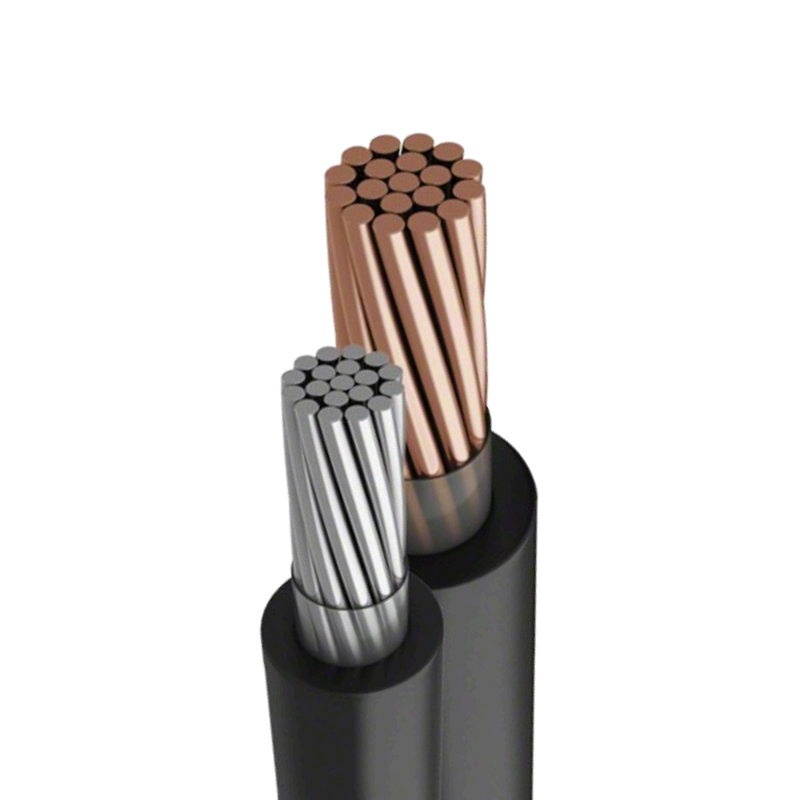 EN 50618 H1Z2Z2-K 1.5 kV Solar CableCheck this PV DC cable for panel-to-inverter wiring, with EN 50618 H1Z2Z2-K marking, 1.5 kV DC rating, UV-resistant XLPE insulation, and 1.5–35 mm² conductor sizes.View Product →
A repeatable sequence prevents the “70 types” from turning into 70 exceptions. It also gives technical and purchasing teams a shared record of why a cable was chosen.
For buyers auditing a new supplier, a factory review is more useful than a catalog when the cable is going into a critical feeder. Our manufacturing capabilities page outlines the production and control scope behind the product list.
The cheapest cable per meter is not always the lowest-cost cable over the project life. Installation time, termination labor, fault-finding, and downtime usually weigh more than the导体 price difference once a feeder is energized.
For a deeper walk-through of installation checks and safety points, see this power cable selection and installation guide.
Wuxi Sanxin Cable Co., Ltd. works across the same family map from its factory in Yixing, Jiangsu. Its product lines cover 6/10 kV and 3.6/6 kV XLPE power cables, 0.6/1 kV two-core and armored power cables, YJLHV-8030 series aluminum-alloy cable, and T-V/EN 50618 and UL 4703 solar cables.
The useful takeaway is not that one supplier covers every one of the 70 wiring types. It is that the type code should be matched to the route, the standard, and the test evidence. A cable that fits a dry indoor tray may be the wrong choice for a buried feeder, a rooftop PV string, or a high-vibration industrial connection. Start with the application, then confirm the construction and the paperwork.



Copyright © 2025 Wuxi Sanxin Cable Co., Ltd.
All Rights Reserved.
High Voltage Power Cables Manufacturers
Low Voltage Power Cables Factory