
 Language
 English
 عربى
عربىAt Wuxi Sanxin Cable, the entire solar cable lineup is built on tinned electrolytic copper conductors compliant with IEC 60228 Class 5 — a specification that reflects not just regulatory compliance, but a deliberate commitment to long-term field performance.
Content
What Is Tinned Electrolytic Copper?
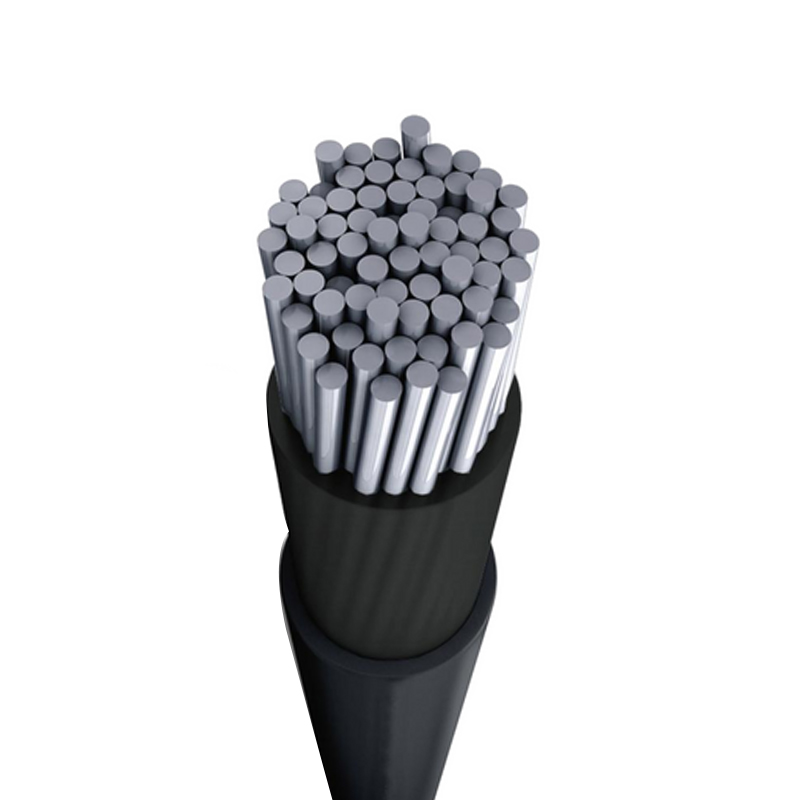
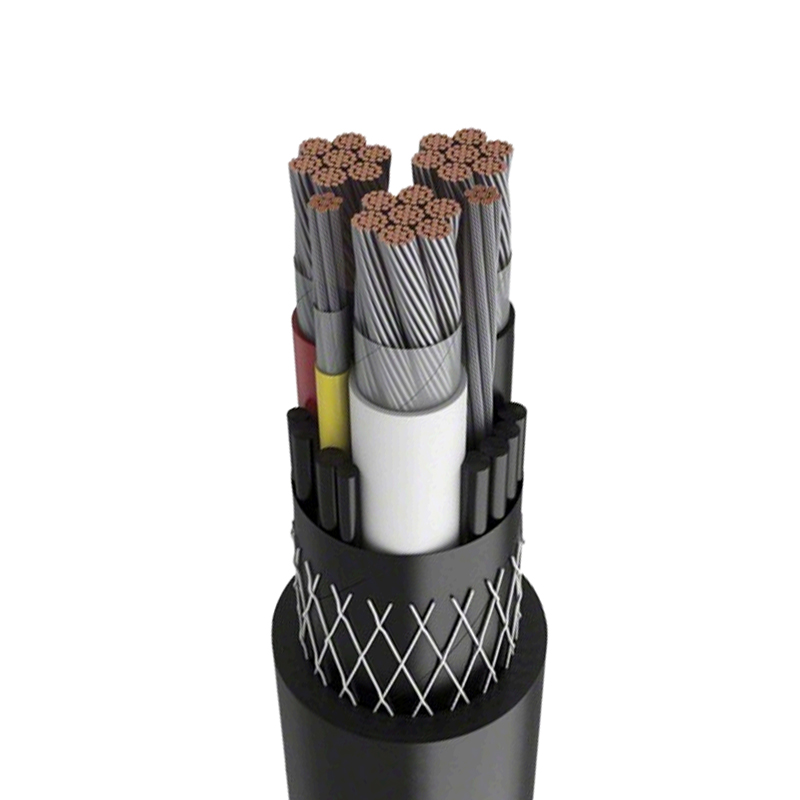
Electrolytic copper refers to high-purity copper refined through an electrochemical process, typically achieving 99.9% or higher copper content. When this conductor is coated with a thin layer of tin before stranding, the result is tinned electrolytic copper — the conductor type increasingly specified in EN50618, IEC 62930, and TUV-certified PV cable standards worldwide.
The tin coating is not decorative. It serves two critical engineering functions: it forms a stable oxide barrier that prevents the surface degradation common to bare copper in humid and corrosive environments, and it facilitates soldering and termination by keeping the conductor surface clean and reactive over the cable's full service life.
The Case for Tinned Conductors in Photovoltaic Applications
Solar installations are fundamentally different from conventional indoor wiring in one defining way: they remain continuously exposed to outdoor conditions for the duration of the system's life. Coastal projects face salt air. Ground-mounted arrays in tropical climates contend with high humidity and temperature cycling. Rooftop systems in industrial zones experience airborne chemical contaminants.
Bare copper, while an excellent conductor, is chemically reactive. In these environments, copper oxide and copper sulfide compounds accumulate at conductor surfaces and termination points over time, gradually increasing contact resistance and creating localized heat generation. In a system designed to operate at 1000V or 1500V DC over two decades, these marginal increases compound into measurable energy losses and, in worst cases, safety hazards.
Tinned electrolytic copper addresses this directly. The tin layer remains stable across the operating temperature range of -45°C to +125°C typical of certified solar cables, resisting the oxidation and sulfidation that affect bare conductors. Independent testing and long-term field data from utility-scale installations consistently show that tinned copper terminations maintain lower and more stable contact resistance compared to bare copper equivalents over extended service periods.
Corrosion Resistance Across Diverse Deployment Environments
One of the most frequently cited advantages of tinned copper in solar applications is its suitability for environments where bare copper would degrade unacceptably fast.
Coastal and Offshore Installations
Salt-laden air accelerates surface oxidation on any exposed metal surface. Tinned conductors in these environments show substantially reduced corrosion at connection points, preserving termination integrity across the full project lifespan.
Industrial Zones
Sulfur dioxide and hydrogen sulfide in the atmosphere react with bare copper to form copper sulfide, a compound with significantly higher resistivity than pure copper. The tin barrier interrupts this reaction entirely, keeping conductor resistance within design parameters.
High-Humidity Tropical Climates
Condensation cycles create persistent moisture exposure at cable terminations. Tinned copper provides a chemically inert interface between the conductor and the environment, preserving both electrical performance and mechanical integrity throughout the cable's service life.
Roof-Mounted Systems Over Manufacturing Facilities
Chemical vapors from industrial processes concentrate around roofline cable runs. In each of these scenarios, the tin barrier provides a chemically inert interface between the copper conductor and the environment.
Compliance, Certification, and Procurement Confidence
For international procurement teams and project developers, material specifications carry direct contractual implications. EN50618, the primary European standard for PV cables, and IEC 62930, its international equivalent, both specify tinned copper conductors as the expected construction for cables meeting the standard's durability requirements. TUV certification testing for solar cables evaluates long-term performance under thermal, UV, and mechanical stress — and the tinned copper construction is integral to passing these evaluations.
At Wuxi Sanxin Cable, our solar cables carry TUV certification and are manufactured in full conformance with these standards. Every production batch is subject to conductor resistance testing, adhesion testing of the tin coating, and dimensional verification before approval for shipment. This traceability allows project engineers and EPCs to specify Sanxin solar cables with confidence that the conductor material meets the precise requirements written into their system designs.
Looking Forward: Tinned Copper in High-Voltage PV Systems
As the industry transitions toward 1500V DC system architectures — which reduce current requirements, minimize resistive losses, and lower balance-of-system costs at scale — conductor quality becomes even more important. Higher voltage systems amplify the consequences of any increase in contact resistance, making the corrosion resistance of tinned copper not merely a quality preference but a system safety consideration.
Wuxi Sanxin Cable's solar cable range is rated for operation at 1500V DC, with conductor construction and insulation systems designed to the requirements of next-generation PV installations. Whether for residential rooftop systems, commercial arrays, or utility-scale ground-mounted plants, the tinned electrolytic copper conductor at the core of each cable reflects the same engineering principle: the component that carries the power must remain reliable for as long as the system it serves.