
 Language
 English
 عربى
عربىIndustry News
Power cables are the backbone of modern electrical infrastructure — but choosing between XLPE and PVC cable is a decision that affects safety, performance, and long-term cost. While both are widely used, they are built for different demands. Understanding their core differences will help you choose the right cable for your specific project, whether it's a residential building, industrial plant, or underground power distribution network.
Content
- 1 What Is XLPE Cable?
- 2 What Is PVC Cable?
- 3 XLPE vs PVC Cable: Side-by-Side Comparison
- 4 Key Performance Differences That Matter on the Job
- 5 How to Choose XLPE Cable or PVC Cable for Your Project
- 6 Cost Comparison: Upfront Price vs. Lifetime Value
- 7 Compliance and Standards to Check Before Specifying
- 8 The Bottom Line
What Is XLPE Cable?
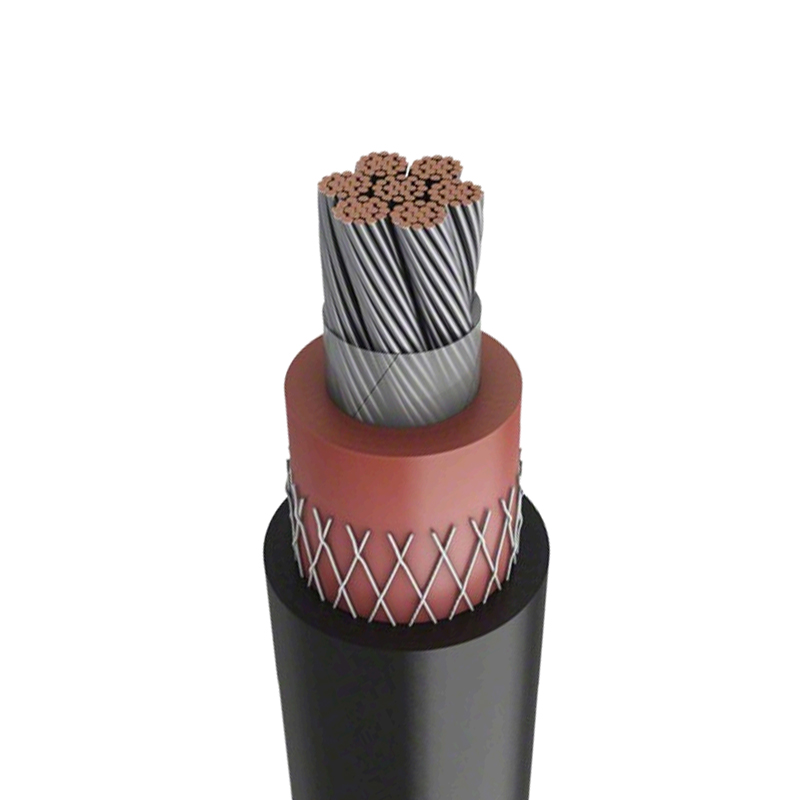
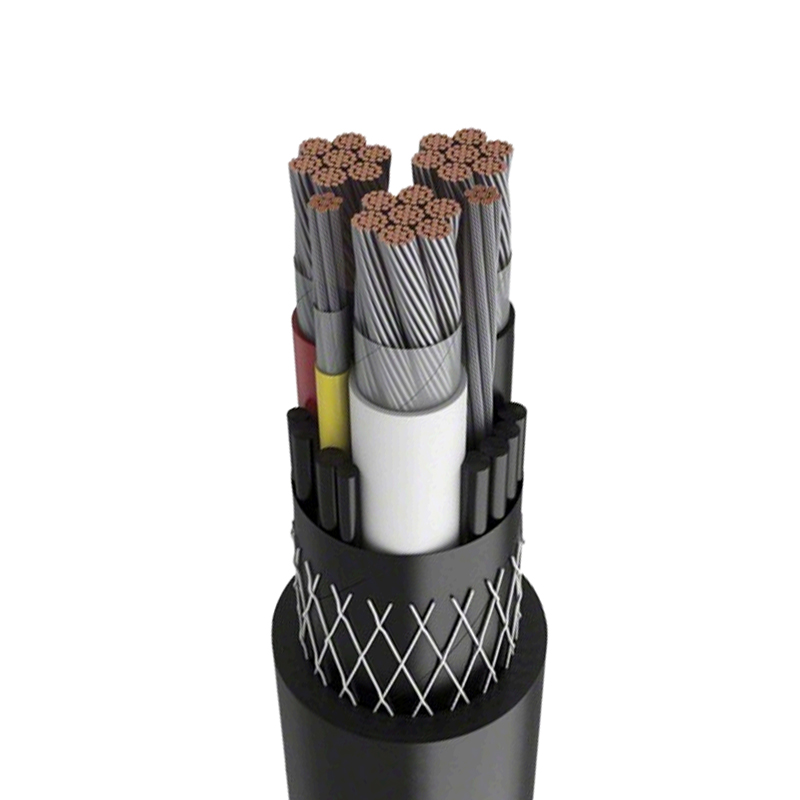
XLPE stands for cross-linked polyethylene. Unlike standard polyethylene, XLPE undergoes a chemical or physical cross-linking process that permanently bonds its molecular chains into a stable three-dimensional network. This structural change transforms it from a thermoplastic into a thermoset material — meaning it will not melt or deform under high temperatures, even during short-circuit conditions.
XLPE cable is engineered for demanding environments. Its long-term operating temperature reaches 90°C, and it can withstand short-circuit temperatures of up to 250°C. These properties make it the dominant choice in medium-voltage and high-voltage systems, underground installations, renewable energy projects, and industrial power distribution.
What Is PVC Cable?
PVC cable uses polyvinyl chloride as its insulation and sheathing material. PVC is a thermoplastic, meaning it softens when heated and can be reshaped — a characteristic that limits its performance under high thermal stress. Its continuous operating temperature caps at around 70°C, which restricts its use in high-load or high-ambient-temperature environments.
That said, PVC cable is widely valued for its flexibility, ease of installation, and lower upfront cost. It remains the standard choice for low-voltage residential wiring, indoor lighting circuits, commercial building wiring, and general-purpose control systems where operating conditions are moderate and well-controlled.
XLPE vs PVC Cable: Side-by-Side Comparison
The table below summarizes the key technical differences between XLPE and PVC insulated cables to help you evaluate which option fits your project requirements.
| Property | XLPE Cable | PVC Cable |
|---|---|---|
| Max Operating Temp | 90°C | 70°C |
| Short-Circuit Temp | Up to 250°C | Up to 160°C |
| Current-Carrying Capacity | Higher (same cross-section) | Lower |
| Moisture Resistance | Excellent | Moderate |
| Chemical Resistance | Excellent | Moderate |
| Dielectric Loss | Very Low | Higher |
| Service Life | 40–50 years | 20–30 years |
| Material Cost | Higher | Lower |
| Typical Voltage Range | 0.6/1kV to 500kV+ | Up to 1kV (typical) |
Key Performance Differences That Matter on the Job
Thermal Performance and Current Capacity
One of the most practical differences when you choose XLPE cable over PVC is current-carrying capacity. Because XLPE tolerates higher conductor temperatures, it can carry more current through the same conductor cross-section. For example, a 10 mm² XLPE cable can handle approximately 70A under standard conditions, compared to around 60A for an equivalent PVC cable. Over a large installation, this means you may be able to use a smaller cross-section with XLPE and achieve the same load performance — offsetting some of the higher material cost.
Moisture, Chemical, and UV Resistance
XLPE insulation is inherently resistant to moisture ingress, oils, acids, and alkalis. This makes it well-suited for direct burial, underground duct runs, coastal environments, and industrial sites where chemical exposure is a real risk. PVC performs adequately in dry indoor environments but degrades faster when exposed to moisture over extended periods, increasing the risk of insulation failure and reducing service life.
Fire Safety Considerations
Standard PVC cable releases toxic halogen gases and dense smoke when burned — a significant safety concern in enclosed spaces such as tunnels, hospitals, or data centers. Standard XLPE is also flammable, but when paired with a Low Smoke Zero Halogen (LSZH) outer sheath, it dramatically reduces toxic emissions during a fire. For projects where fire safety and evacuation are priorities, specifying XLPE with LSZH sheathing is increasingly a code-mandated requirement.
How to Choose XLPE Cable or PVC Cable for Your Project
The right choice depends on the specific conditions of your installation. Here is a practical framework to guide your decision:
Choose PVC Cable When:
- The application is low-voltage (up to 1kV), such as residential wiring or indoor lighting
- The installation environment is dry, temperature-controlled, and not exposed to chemicals
- Budget is the primary constraint and long-term replacement costs are acceptable
- The cable will be used in general-purpose commercial wiring with moderate loads
Choose XLPE Cable When:
- The voltage rating exceeds 1kV — XLPE is the standard for medium-voltage (3.3kV–33kV) and high-voltage systems
- The cable will be installed underground, in direct burial, or in outdoor environments with moisture and UV exposure
- The project involves industrial facilities, power substations, or renewable energy systems (solar/wind)
- Long service life (40+ years) and minimal maintenance are required
- The installation is in a high-ambient-temperature environment where conductor heat buildup is a concern
- Fire safety regulations require low-smoke, low-toxicity cable in the building or facility
Cost Comparison: Upfront Price vs. Lifetime Value
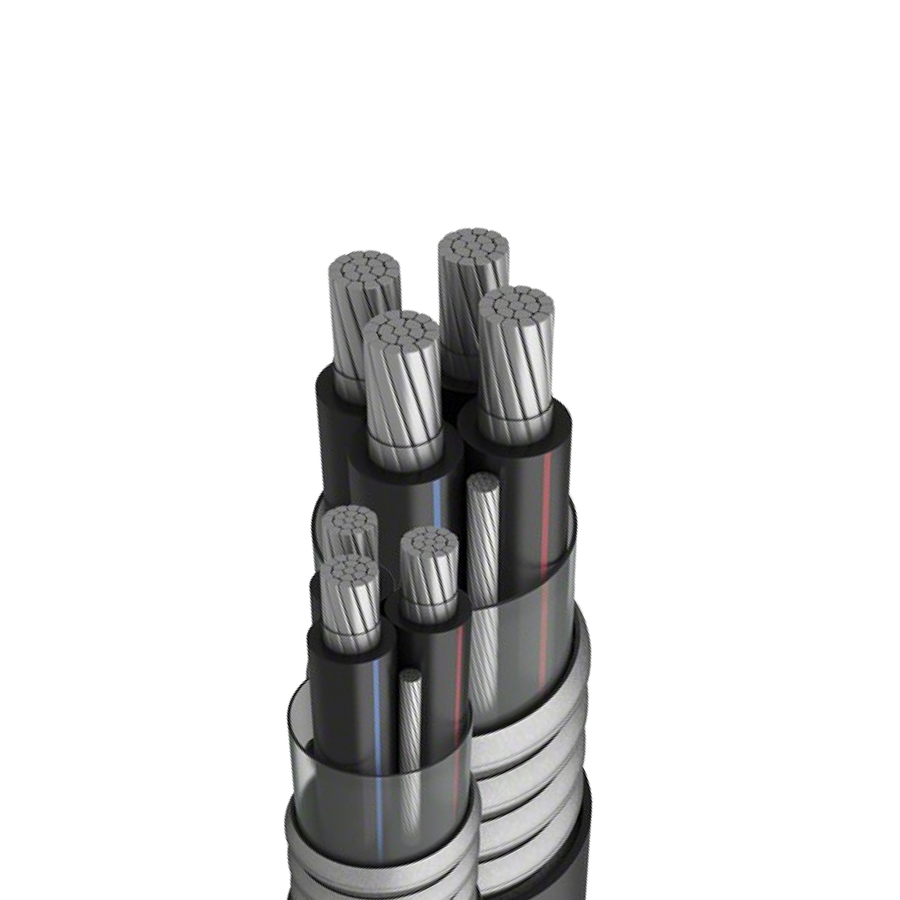
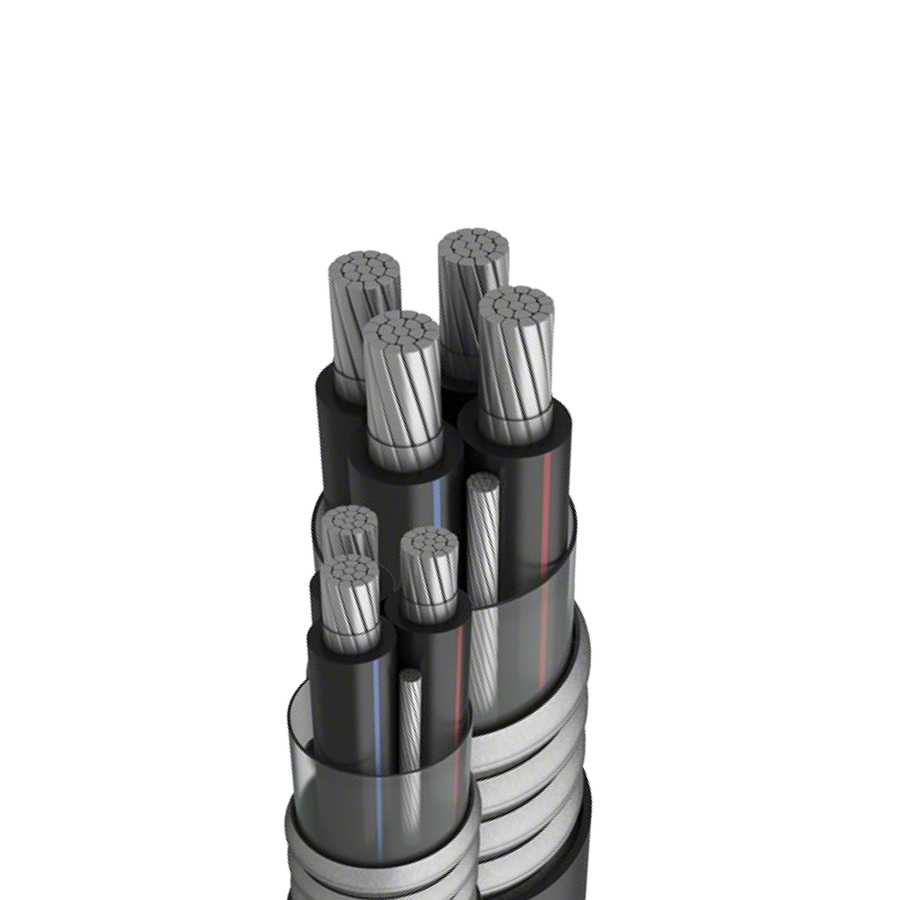
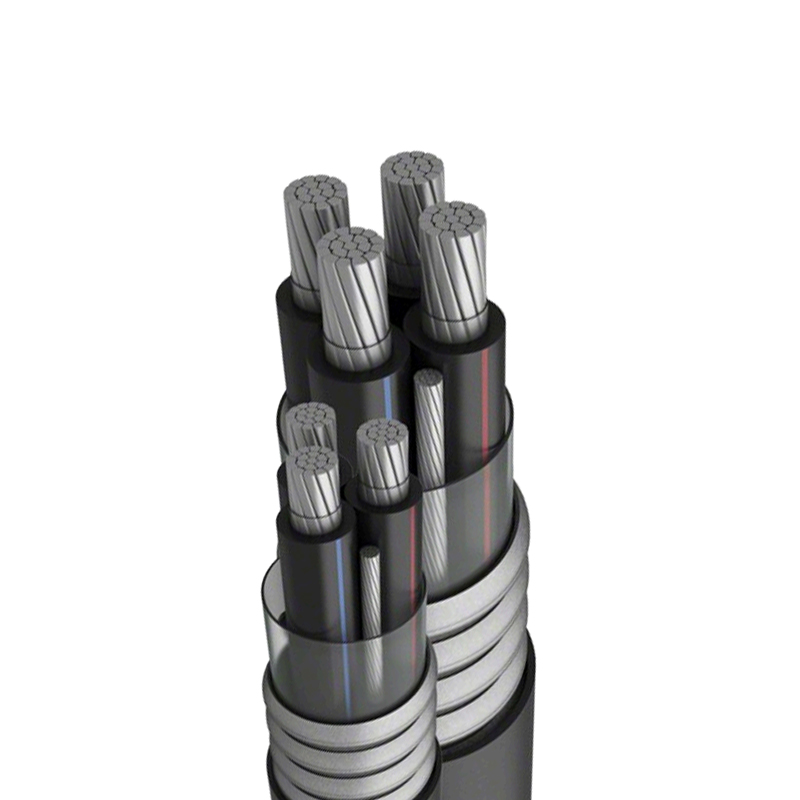
PVC cable costs less per meter at the point of purchase. For a basic unarmored aluminum XLPE cable (3×95 mm², 1kV), prices typically run $8–$12 per meter, while equivalent PVC cables are generally 15–25% cheaper. However, evaluating cable purely on upfront cost is a common mistake in project procurement.
When you factor in the full lifecycle — including replacement frequency, energy losses from higher dielectric resistance in PVC, and potential downtime costs from premature insulation failure — XLPE cable frequently delivers lower total cost of ownership over a 20–30 year project horizon. For large infrastructure projects, even a modest reduction in energy loss across thousands of meters of cable translates into significant long-term savings.
Compliance and Standards to Check Before Specifying
Regardless of which cable type you select, always verify that it meets the relevant international or regional standards for your project. Key standards to reference include:
- IEC 60502-1 — Low-voltage XLPE and PVC power cables up to 1kV
- IEC 60502-2 — Medium-voltage XLPE cables from 6kV to 30kV
- BS 5467 — Armored XLPE cables for the UK and Commonwealth markets
- NEC / UL standards — Required for North American installations
- GB/T 12706 — Chinese national standard applicable in many Asian markets
Always request full test reports and certificates from the manufacturer when procuring either XLPE or PVC cables for critical infrastructure. Certification confirms that the product has been independently tested for insulation thickness, breakdown voltage, aging resistance, and flame performance — not just labeled to specification.
The Bottom Line
There is no universal answer to the XLPE vs PVC cable question — the right choice depends on your voltage requirements, installation environment, budget, and expected service life. PVC cable remains a reliable, cost-effective solution for straightforward low-voltage applications in controlled environments. XLPE cable is the clear choice for any project that demands higher thermal performance, longer lifespan, moisture resistance, or voltage ratings above 1kV.
For most modern infrastructure projects — especially those involving underground runs, industrial loads, or medium-voltage distribution — XLPE delivers a performance and durability advantage that justifies the higher upfront cost. When in doubt, consult your electrical engineer or cable supplier with the full project specification before finalizing your cable selection.