

 Language
 English
 عربى
عربى
Home / News / Industry News / Copper vs Aluminum Wire: How to Choose the Right Cable Conductor for Your Project
Industry News
You are standing in front of a cable spec sheet with two options: copper and aluminum. The project is a 200-meter feeder from a distribution transformer, or a large rooftop solar array, or a new industrial power room. The supplier quotes you two different prices. Which conductor will perform reliably for 25 years and which one will become a maintenance problem?
Core conclusion: Copper is the safer default for high-current density, compact layouts, and corrosive environments. Aluminum is the economic winner for long overhead runs, large feeders, and solar power plants where weight and cost dominate. The correct decision depends on current rating, circuit length, installation conditions, and total life-cycle cost.
Content
The physical constants behind this comparison are not negotiable. Copper has a conductivity of approximately 100% IACS, while electrical-grade aluminum is rated at about 61% IACS. That means, for the same current, an aluminum conductor needs a larger cross-sectional area. In practical terms, you often see a 50 mm² aluminum conductor replacing a 35 mm² copper conductor. The aluminum wire is about 1.6 times thicker, but it is also significantly lighter.
Weight matters more than many engineers expect. Aluminum's density is about 2.7 g/cm³ versus copper's 8.96 g/cm³. After you upsize to match ampacity, the weight advantage remains substantial, often saving 40-50% of the conductor weight. On long spans, this reduces sag and support requirements. In cable trays, it lowers the risk of pulling damage and makes installation less demanding.
Copper Conductors
Aluminum Conductors
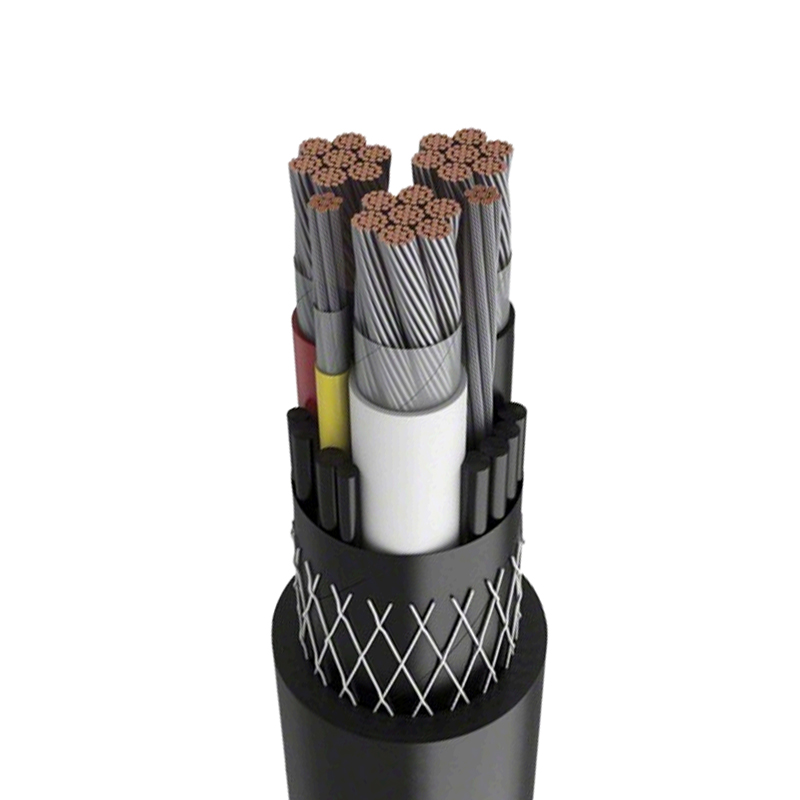
In our factory, we produce both copper-core and aluminum-core plastic-insulated power cables. The difference in how these two materials behave affects every step of the manufacturing and installation process.
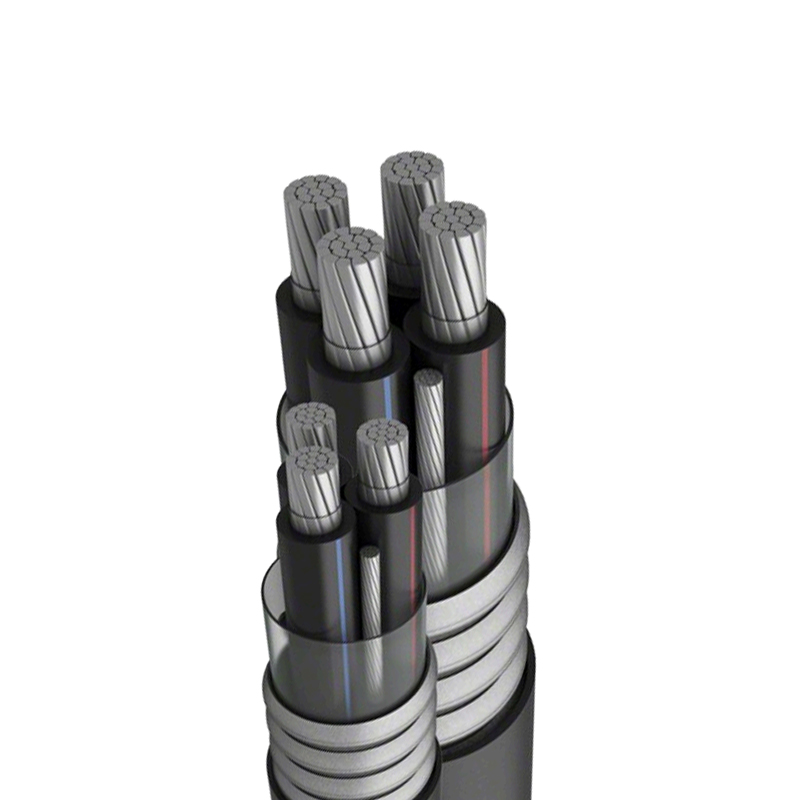 Copper and Aluminum Core XLPE Insulated Power Cable up to 35kVThis cable is suitable for power transmission and distribution lines with rated voltage up to 35kV. It follows GB12706-2020 or IEC, BS, DIN standards and has a maximum conductor temperature of 90°C.View Product →
The table below summarizes typical values you will see when comparing equal-ampacity conductors. These are industry-standard figures, not our marketing numbers.
Notice the "upsize" factor of 1.6. This is the hidden cost of aluminum: you buy a physically larger cable. The weight advantage in the table is calculated after the upsize, so it is the realistic number a cable tray engineer needs.
Ampacity is not the only number that matters. Long runs introduce voltage drop, and the lower conductivity of aluminum means a larger voltage drop for a given distance and current. This can affect equipment performance and increase heat loss. The chart below illustrates the relative cross-section needed to keep the same current and voltage drop.
Higher bar means larger cross-section required for the same current. The actual ampacity difference is not as severe as some fear, but the thermal behavior is critical: aluminum has a higher coefficient of thermal expansion, so joints can loosen over time if not properly designed. We have seen failures in the field where an aluminum connection was tightened with a standard copper torque setting; the result was a hot spot and eventual arcing.
In our decades of cable manufacturing, we see a clear pattern in how different industries choose conductors. The pie chart below is a general market estimate for illustrative purposes, based on typical project specifications we receive.
In the solar sector, we supply both copper and aluminum photovoltaic cables. For projects where cable runs are long and weight is a concern, aluminum alloy conductors are an attractive option.
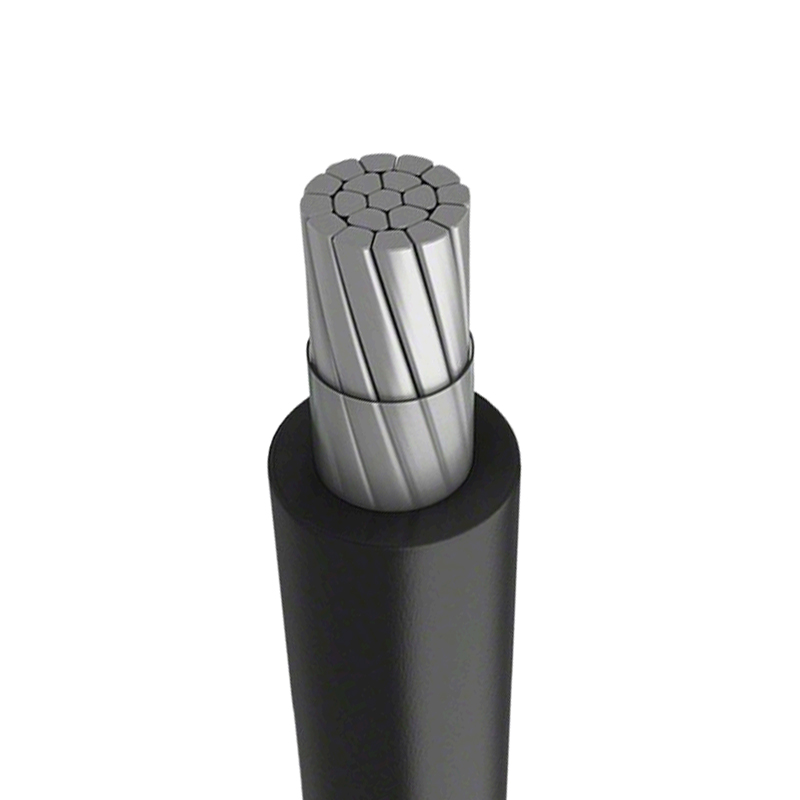 Aluminum Solar Cable with XLPE Insulation and UV-Resistant JacketDesigned for solar projects where weight matters, this aluminum cable complies with IEC 60502 and IEC 60228, has a 90°C maximum service temperature, and offers flexibility and UV resistance for long runs.View Product →
The cheapest purchase price is not always the best ROI. Aluminum can save you up to 30-40% on conductor material, but you may spend more on connectors, termination labor, and periodic re-tightening. A copper system costs more upfront but often requires less maintenance. For a clear decision, walk through these five steps.
Step 1
Calculate the continuous current and the peak short-circuit current. This sets the minimum conductor cross-section.
Step 2
Measure the circuit length and determine the allowed voltage drop. Long runs favor aluminum because the weight savings offset the larger cross-section.
Step 3
Check the installation environment. Corrosive, humid, or vibration-heavy locations favor copper or specially protected aluminum.
Step 4
Match the connector and termination method. Aluminum requires aluminum-rated lugs, anti-oxidant paste, and a tightening torque specified by the manufacturer.
Step 5
Run a life-cycle cost analysis. Compare material cost, installation labor, maintenance, and replacement. Include your expected project life.
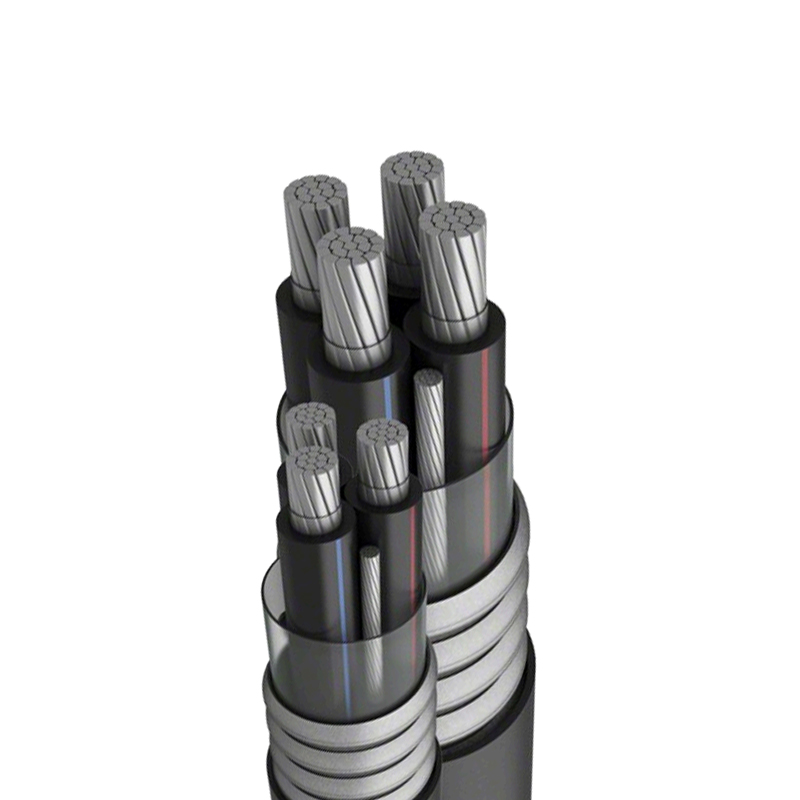
For most medium-voltage feeders and many low-voltage industrial circuits, an aluminum alloy cable like our YJLHV-8030 series offers a balanced solution: acceptable conductivity, substantial weight savings, and a familiar cost advantage. For a deep dive into cable selection factors, see our power cable selection guide.
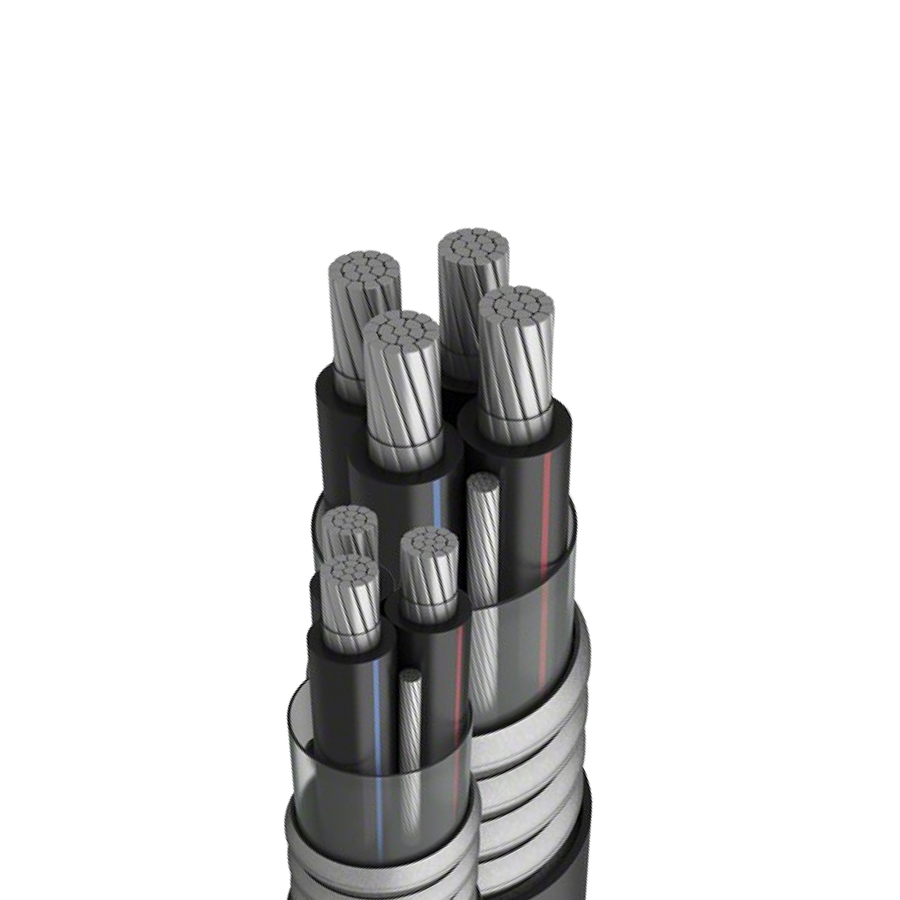
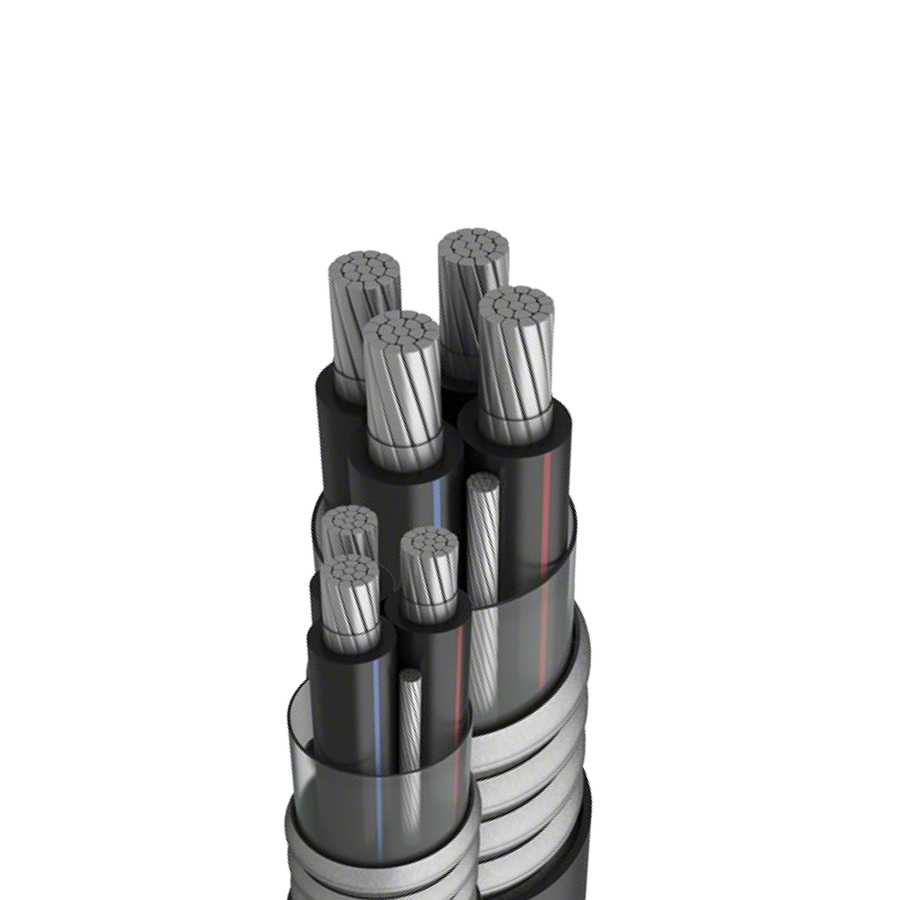
YJLHV 8030 Series Aluminum Alloy Cable with XLPE InsulationThis 8030 series aluminum alloy cable provides high conductivity, flexibility, and flame retardancy (class A). Suitable for indoor, direct burial, and tunnel installations, it offers cost savings and reliable performance.View Product →Regardless of which conductor you select, the long-term reliability of a cable installation depends on how you terminate and maintain it. For aluminum conductors, we always recommend:
Compliance with standards is another critical factor. Copper and aluminum cables are approved under different IEC, UL, and TÜV standards, and the termination methods must match the local code. For example, a solar installation in North America must follow UL 4703 for PV wire, while a European installation may require EN 50618. Our manufacturing capabilities allow us to produce conductors to these standards with full material traceability.
Finally, always document the conductor type, torque values, and inspection dates. In a large industrial facility, poor maintenance of aluminum terminations is one of the leading causes of electrical fires and equipment damage. A small investment in training your installation crew saves you far more than the price difference between copper and aluminum.



Copyright © 2025 Wuxi Sanxin Cable Co., Ltd.
All Rights Reserved.
High Voltage Power Cables Manufacturers
Low Voltage Power Cables Factory
