

 Language
 English
 عربى
عربى
Home / News / Industry News / Industrial Electrical Cable: A Practical Guide for Engineers and Buyers
Industry News
A maintenance engineer in a rubber-processing plant once traced a recurring motor trip to a 0.6/1 kV feeder that had been selected for current alone. The cable met the ampacity figure on paper, but it ran through a hot section of the factory, shared a tray with five other circuits, and had no armour where a forklift could brush against it. The real requirement was a derated, XLPE-insulated, armoured industrial electrical cable. The plant replaced it, and the trips stopped.
That example captures the difference between buying a cable and engineering a circuit. An industrial electrical cable is a system component: its conductor, insulation, voltage rating, armouring, and sheath decide how long it survives in the environment where it is installed. A low first cost can turn into maintenance expense, downtime, and safety risk.
Core conclusion: choose the cable for the entire circuit condition, not just the current. Construction, thermal limits, mechanical protection, and compliance determine service life far more than conductor size alone.
This guide explains the practical decisions behind a reliable industrial electrical cable specification, drawing on in-house manufacturing capability that covers the process from raw conductor to finished drum.
Content
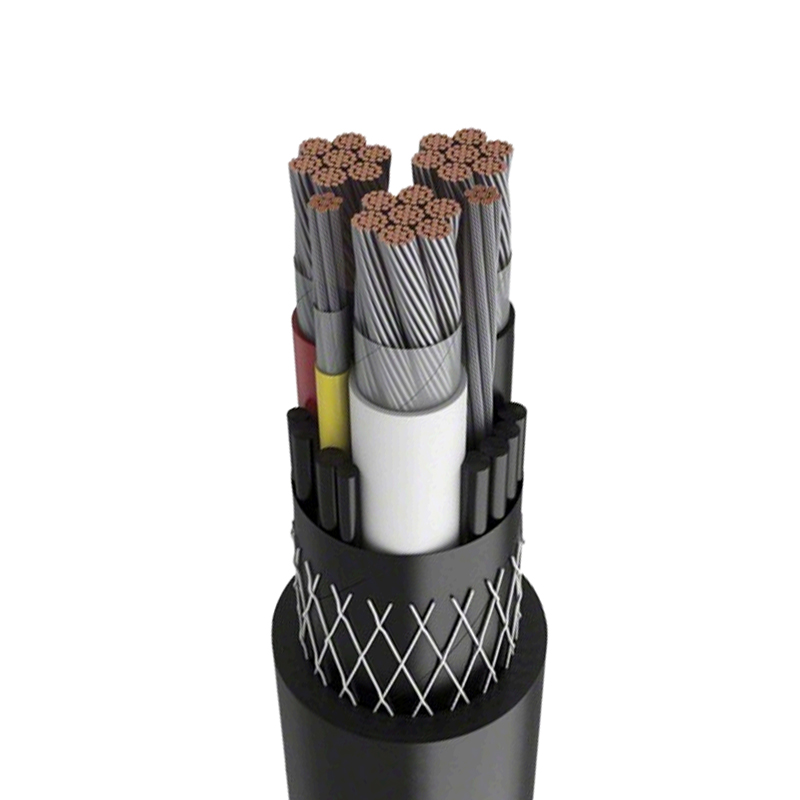
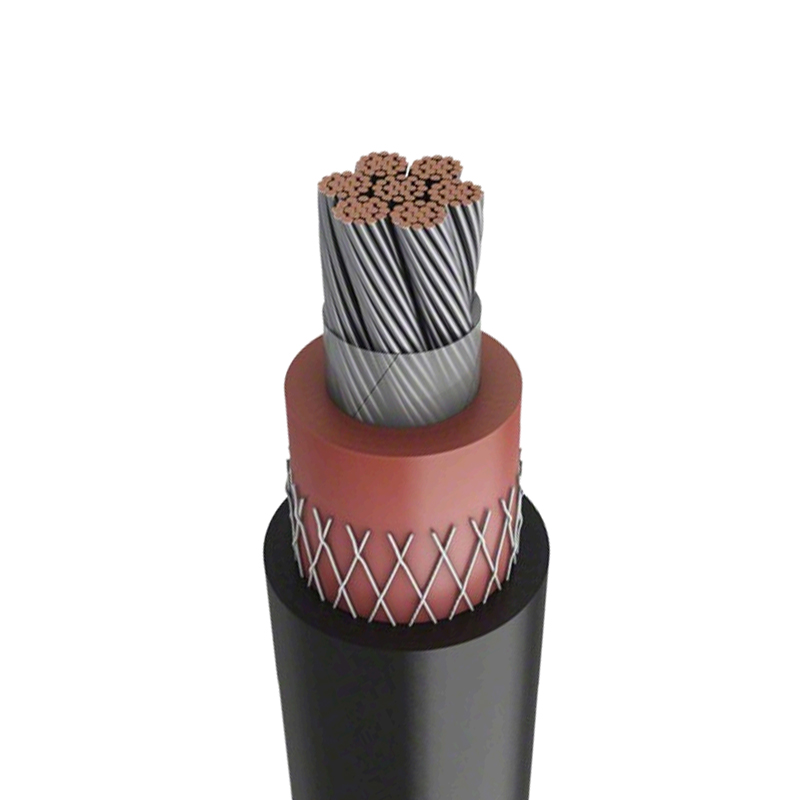
An industrial electrical cable is more than a conductor inside an insulator. Four construction choices define its behaviour in service.
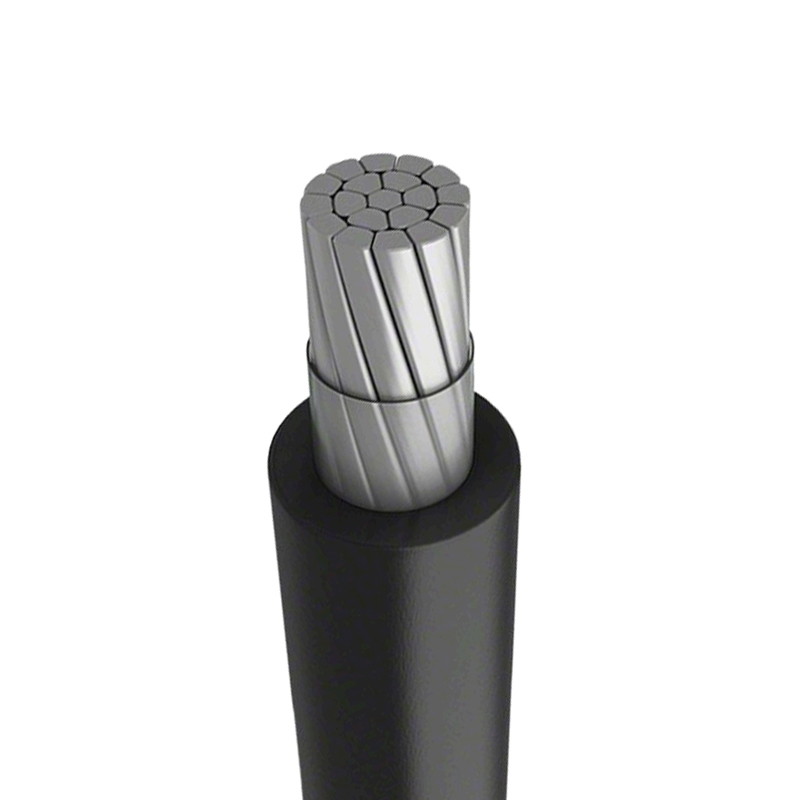
Copper offers the highest conductivity and is the default for most industrial feeders. Aluminium and aluminium alloys cut weight and initial cost, but they need larger cross-sections for the same current and require correct termination practice.
PVC is economical and suits general-purpose 0.6/1 kV circuits. XLPE (cross-linked polyethylene) withstands higher continuous and short-circuit temperatures, resists water absorption, and is the standard choice for distribution cables.
Ratings such as 0.6/1 kV, 3.6/6 kV, and 6/10 kV describe the nominal phase-to-earth and phase-to-phase voltage the cable is designed for. Specifying a lower rating than the system voltage is a direct safety hazard.
Rigid belt armour protects against mechanical impact after installation, while the PVC sheath seals the core against moisture, chemicals, and abrasion. The right combination depends on the route, not only on the load.
These variables are combined inside standards such as IEC 60502, which defines constructional requirements for extruded insulated power cables from 3.6/6 kV up to medium voltage. When a project specifies an industrial electrical cable, the manufacturer has to translate that standard into the conductor, insulation thickness, and armour layers that match the operating conditions.
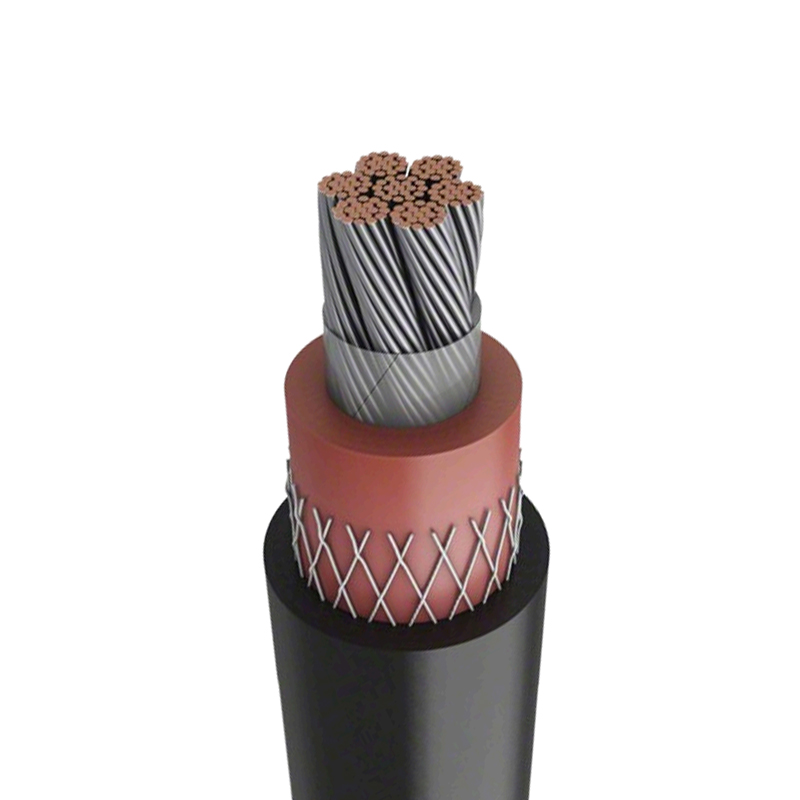 XLPE Insulated Power Cable For Rated Voltage 6/10kvGet A Free Custom Quote Launch your project from a free price list tailored to your needs.View Product →
Most selection decisions come down to two comparisons. The first is insulation: whether the application justifies XLPE over PVC. The second is conductor: whether aluminium alloy can replace copper without hurting reliability.
| Property | PVC insulation | XLPE insulation |
|---|---|---|
| Max continuous conductor temperature | 70°C | 90°C |
| Max short-circuit temperature | 160°C | 250°C |
| Common voltage range | 0.6/1 kV | 0.6/1 kV up to 6/10 kV and higher |
| Water and moisture behaviour | Moderate | Better long-term performance in wet routes |
| Typical cost per metre | Lower | Higher |
| Best suited for | Dry indoor circuits, control and wiring | Industrial feeders, outdoor routes, medium-voltage distribution |
The conductor comparison follows a similar logic. For the same cross-section, copper carries roughly 60–70% more current than aluminium or aluminium alloy, depending on installation conditions. But the aluminium or alloy cable is lighter, costs less per metre, and, if the cross-section is increased to compensate, can deliver acceptable losses at a lower installed cost.
| Property | Copper | Aluminium alloy |
|---|---|---|
| Conductivity (relative) | ≈100% | ≈53–61% |
| Weight for the same resistance | Heavier | About 40% lighter |
| Initial material cost | Higher | Lower |
| Termination practice | Standard | Requires anti-oxidant compound and tight torque control |
| Typical role | Motors, feeders, sensitive circuits | Long runs, building distribution, cost-sensitive projects |
The first purchase price is visible; the real cost is not. Energy loss in the conductor (I²R), de-rating inside crowded trays, premature insulation ageing from over-temperature, and terminations that fail because the connector was not designed for the conductor alloy all show up on the maintenance budget later.
The chart below shows the typical ampacity of a 35 mm² cable installed in free air for three conductor types. The values are indicative; the point is the relationship between them.
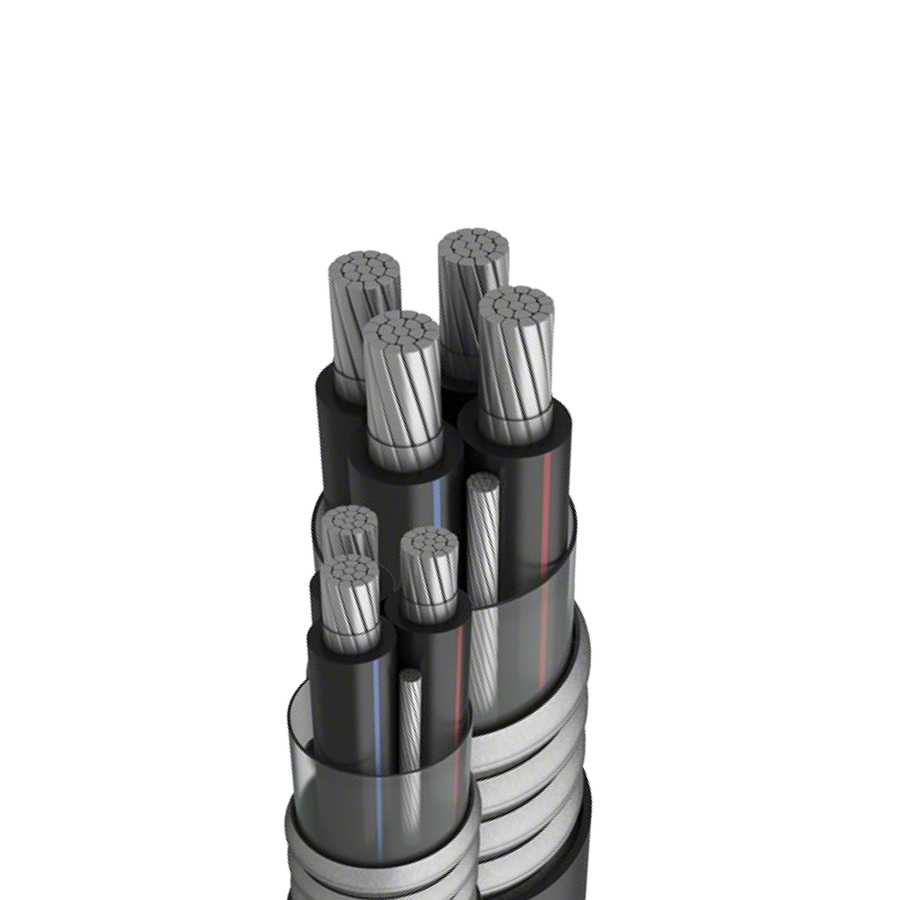
Because aluminium and aluminium-alloy conductors need one or two sizes larger cross-section to match copper, the cable diameter grows and tray space shrinks. That is why the economic comparison should always include installation space, pulling effort, and termination hardware, not only the price per metre. Where the trade-off is understood, alloy cables can deliver real savings on long building or utility runs while following the same IEC-style construction principles.
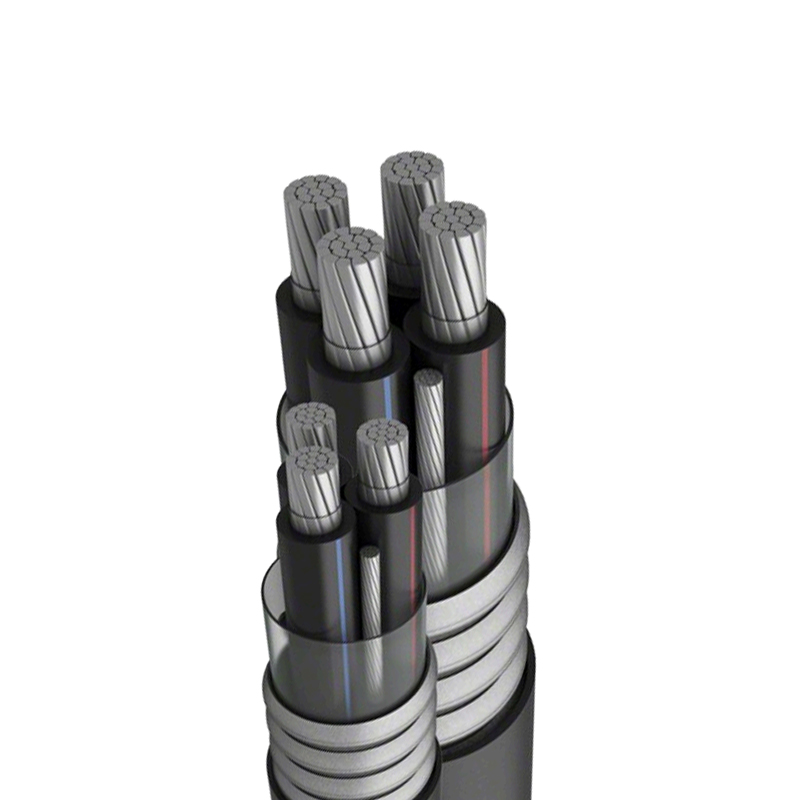 YJLHV 8030 Series Cross Linked Polyethylene Insulated Aluminum Alloy CableGet A Free Custom Quote Launch your project from a free price list tailored to your needs.View Product →
Demand for industrial electrical cable follows a small number of heavy users: power distribution networks, manufacturing plants, building services, petrochemical facilities, and renewable energy systems. In a typical project portfolio, the split looks something like this.
Each sector stresses different properties. A petrochemical plant prioritises flame retardance and chemical resistance in the sheath; a solar farm needs DC cables rated for continuous outdoor UV exposure; a factory floor needs armoured feeders that survive mechanical abuse. The same underlying constructions reappear across these sectors, but the specification changes are what separate a five-year installation from a twenty-year one.
A robust selection process reduces both technical risk and total cost of ownership. The steps below work for most industrial circuits.
Confirm the earthing configuration and whether the cable will cross voltage zones. Select a rated voltage such as 0.6/1 kV or 6/10 kV that matches the system, with margin for neutral-earthing conditions.
Apply de-rating factors for ambient temperature, grouping in trays, solar radiation, and burial conditions. The nameplate current is not the design current.
Copper is the safe default. Aluminium alloy can win on cost and weight for long runs if termination practice and the larger diameter are accepted. Verify voltage drop, not just ampacity.
Choose XLPE for hot or wet routes and medium-voltage feeders; choose PVC for dry general circuits. Add rigid belt armour where impact is possible, such as factory floors and buried sections.
Specify the applicable standard, for example IEC 60502 for power cables, and ask for routine test certificates. A standard marking is only as useful as the documentation behind it.
For feeder circuits at 0.6/1 kV, an XLPE-insulated cable is usually the right starting point because it tolerates higher continuous temperatures and overloads. That single choice can eliminate the need for a larger cross-section that would otherwise compensate for PVC temperature limits. The price premium is recovered in reduced conductor weight or in better utilisation of the installed capacity.
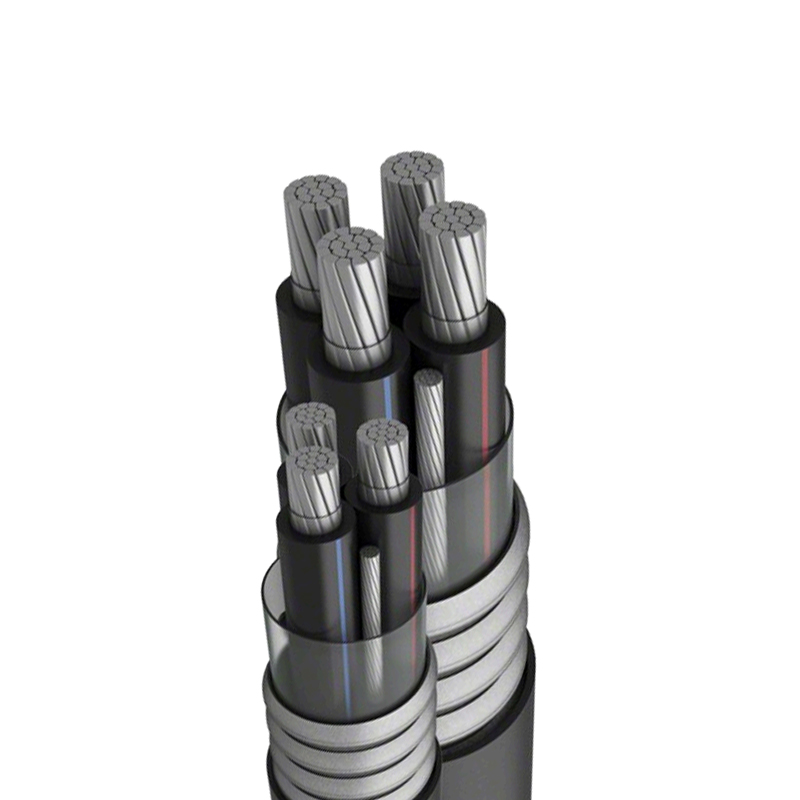 XLPE Insulated Power Cable for Rated Voltage 0.6/1kVIndoor, tunnel, cable trench dredging or buried laying, etc., can withstand mechanical exterior force and certain tension.View Product →
Total cost of ownership is the deciding layer. Estimate initial purchase, installation effort, energy losses (which scale with the inverse of conductor cross-section), and expected maintenance. A cable that is one size larger often pays for itself through lower losses across a 20-year service life, especially when load factors exceed 50%.
Cable failures rarely announce themselves in advance; they happen at joints, terminations, and damaged sheath sections. The following points cover the most common industrial problems.
Compliance is not a paperwork exercise. Regulations such as the harmonised cable standards in the EU or national electrical codes in exporting markets set the constructional and fire-performance floor for industrial electrical cable. If the product claims a standard it cannot prove, the project owner carries the risk. A manufacturer that runs the entire process from conductor drawing to finished drum, raw material to final product, is easier to audit on exactly that point.
For a deeper walkthrough of types, installation mistakes, and safety checks, see our selection and installation guide for power cables.




Copyright © 2025 Wuxi Sanxin Cable Co., Ltd.
All Rights Reserved.
High Voltage Power Cables Manufacturers
Low Voltage Power Cables Factory
